

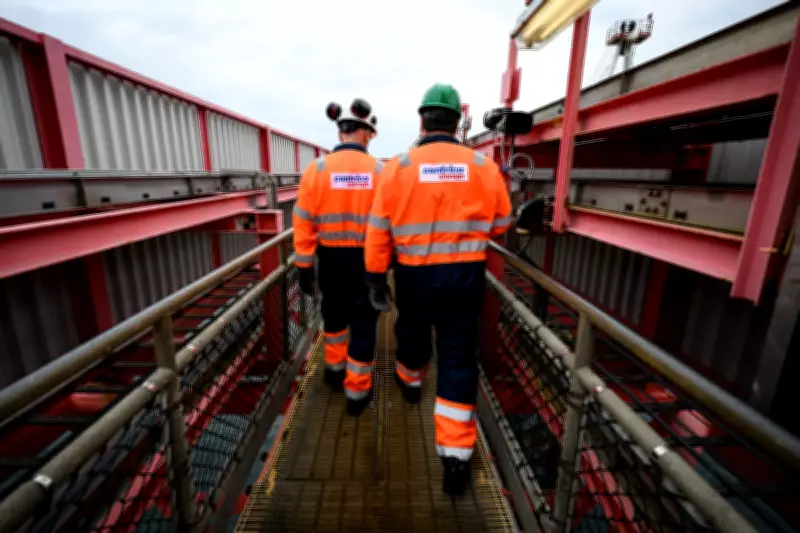
Sizewell C Nuclear Project to Bolster UK Energy Security and Reduce Fossil Fuel Dependence
The UK government has unveiled significant measures to fast-track the development of the Sizewell C nuclear power station and a major sustainable aviation fuel (SAF) plant, positioning these projects as critical steps toward achieving greater energy independence. Ministers assert that these initiatives will help shield the nation from volatile global fossil fuel markets while maintaining stringent environmental standards.
Streamlined Planning Process to Accelerate Critical Infrastructure
In a move designed to cut through bureaucratic delays, the Environment Agency has been designated as the lead environmental regulator for both the Sizewell C project on the Suffolk coast and the Lighthouse Green Fuels facility in Teesside. This new approach aims to create a single point of contact for environmental assessments, coordinating checks that previously involved multiple bodies such as Natural England, the Marine Management Organisation, and Forestry England.
The Department for Environment, Food and Rural Affairs (Defra) has emphasised that this streamlining will not compromise environmental protections. Instead, the Environment Agency will collaborate with other regulators to ensure all necessary assessments are conducted thoroughly, potentially reducing costly planning holdups that have historically plagued large-scale infrastructure developments.

Nuclear Power and Sustainable Fuels: Dual Pillars of Energy Strategy
Officials highlight that the Sizewell C nuclear plant, backed by £14.2 billion in government funding, could supply clean nuclear energy to approximately six million homes. This capacity is seen as vital for reducing England's reliance on imported fossil fuels and mitigating exposure to unpredictable price fluctuations in international markets.
Concurrently, the Lighthouse Green Fuels project is poised to become Europe's largest SAF production facility if approved. It will manufacture aviation fuel from sustainable sources including agricultural waste, forestry residues, municipal solid waste, and used cooking oils, deliberately avoiding the use of food crops to ensure environmental sustainability.
Government and Industry Voices Support the Reforms
Environment Secretary Emma Reynolds articulated the government's vision, stating, "We are taking back control of our energy supply to bring stability for families and create skilled jobs for local people, without compromising on environmental protections." She added that global conflicts, such as those in Ukraine and the Middle East, demonstrate the unsustainability of relying on volatile fossil fuel markets, making these projects a win-win for energy security, nature conservation, and long-term bill reduction.
This announcement aligns with broader governmental efforts to eliminate almost all fossil fuels from UK electricity generation by 2030 and overhaul the planning system to expedite new energy and infrastructure projects. Last month, Energy Secretary Ed Miliband revealed plans to accelerate new nuclear power developments by reforming regulations and reducing costs, responding to an independent review led by former Office of Fair Trading chief John Fingleton.
While the government has opted not to dilute regulations protecting important habitats, some environmental groups express lingering concerns about how these reforms might impact ecological safeguards. Nonetheless, industry leaders have welcomed the changes.
Mina Golshan, safety, security and assurance director at Sizewell C, commented, "Simplifying regulation like this will lead to better outcomes for the environment, greater efficiencies for our project, and better value for consumers." Similarly, Noaman Al Adhami, UK country head for Alfanar Projects, developers of Lighthouse Green Fuels, praised the initiative for streamlining engagement with statutory bodies and accelerating major infrastructure delivery.

Future Implications and Strategic Goals
The government plans to implement select recommendations from the Fingleton review by year's end, including appointing a lead regulator to reduce planning bureaucracy. These steps are part of a concerted strategy to enhance the UK's energy resilience, foster job creation in the green sector, and achieve climate targets. As global energy dynamics remain uncertain, projects like Sizewell C and Lighthouse Green Fuels represent pivotal investments in a more secure and sustainable energy future for Britain.





