

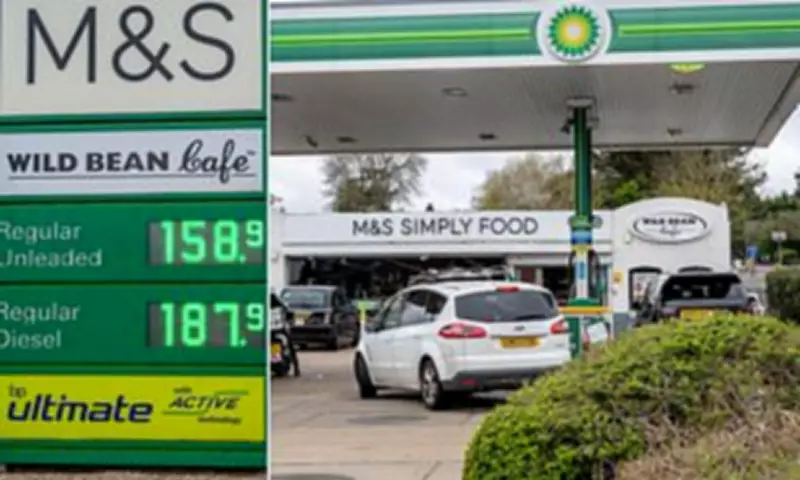
Motorists in rural communities are bearing a disproportionate burden during the ongoing petrol price crisis, according to a detailed new analysis. The RAC Foundation study has uncovered that fuel costs at countryside forecourts have skyrocketed by as much as ten per cent more compared to those in urban locations.
Record-Breaking Price Surges Nationwide
Across the United Kingdom, average petrol pump prices experienced an unprecedented increase of twenty pence per litre during the previous month. However, the analysis highlights that rural areas faced an additional premium, with prices averaging over two pence per litre higher. Diesel fuel also proved to be up to two pence per litre more expensive in certain parts of the countryside, as detailed in the study.
A Double Blow for Rural Communities
Motoring organisations have emphasised that this data illustrates how rural drivers are being particularly severely impacted by the soaring pump prices. These increases have been triggered by the conflict involving Iran and Tehran's retaliatory blockade of the Strait of Hormuz, which has significantly constrained Western oil supplies.

In response, there have been renewed appeals to Chancellor Rachel Reeves to reduce motoring taxes. The Treasury is currently collecting tens of millions of pounds in additional VAT receipts due to the elevated fuel prices.
AA president Edmund King stated: 'Drivers and businesses in rural areas are almost entirely reliant on road transport because of inadequate public transport options and longer travel distances. The automobile is not a luxury but an essential lifeline for rural residents.'
He added: 'They are suffering from both sides, as fuel prices in rural regions are higher and a greater proportion depend on diesel, which has doubled relative to petrol rates since the Iran conflict began. The Government is benefiting financially from the extra VAT paid to the Treasury as pump prices have surged, so perhaps some of that windfall should be allocated to support rural garages, reducing their prices and maintaining them as vital community hubs.'
Essential Dependence on Vehicles
Steve Gooding, director of the RAC Foundation, described the situation as a double whammy for rural drivers, noting: 'Not only are those in the countryside paying more for fuel, but they also likely drive greater distances. For many individuals outside major towns and cities, car usage is an integral part of daily life, with no viable alternative for commuting to work, accessing shops, or visiting medical professionals.'
Financial Impact on Households
The cost of refuelling the average fifty-five-litre tank in a family vehicle increased by eleven pounds for petrol and twenty-two pounds for diesel nationally between the first and thirty-first of March. For rural drivers, this translated to an average extra expenditure of one pound and ten pence more for petrol, according to the RAC Foundation's analysis.
In some rural regions, diesel followed a similar pattern, despite a national average surge of forty pence per litre in March. Last month's pump price hikes were the largest on record, exceeding even the monthly increases prompted by Russia's invasion of Ukraine in 2022.
Substantial Additional Costs
Separate data indicates that drivers collectively spent approximately six hundred million pounds more than they would have if pump prices had remained at pre-Iran conflict levels. Consequently, Chancellor Rachel Reeves has gained around one hundred million pounds in extra VAT receipts, as higher prices attract more of the twenty per cent levy.
Government Policy and International Comparisons
Despite mounting pressure, the Labour government is declining to cancel its planned five pence per litre increase to fuel duty, which will be implemented incrementally starting this September. This measure will add another three pounds to the expense of a full tank refill.
While Labour intends to raise motoring taxes, several other European nations have reduced them to assist struggling drivers amid the crisis. The figures reveal that rural petrol prices have climbed to 156.15 pence per litre, compared to 154.07 pence in urban areas. For diesel, the average rural price stands at 186.54 pence, whereas the urban figure is 185.09 pence.






