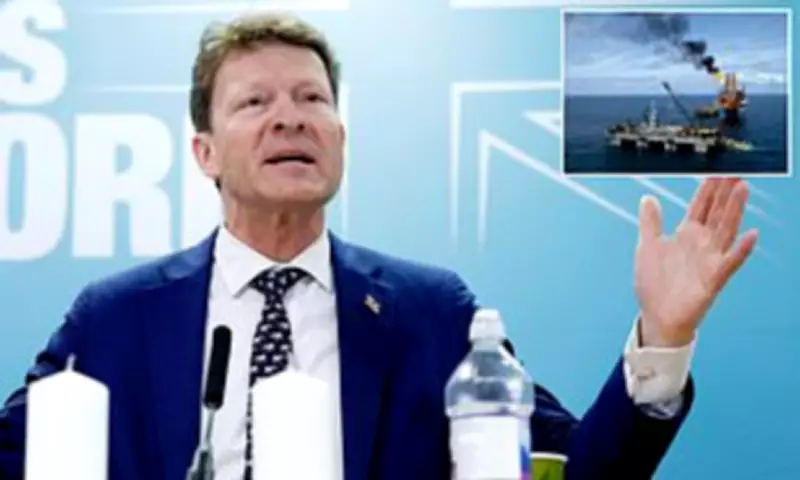
Reform UK Unveils Radical Energy Plan to Harness North Sea Resources
Reform UK's deputy leader, Richard Tice, has made a bold declaration that a government led by Nigel Farage would extract "every last drop" of oil and gas from the North Sea. This aggressive strategy aims to dramatically lower energy costs for British households and restore the UK's competitive edge in global markets.
Four-Point Plan to Revitalise UK Energy Production
During a press conference held in Aberdeen, Tice detailed Reform UK's comprehensive four-point plan designed to cut energy bills and ensure the nation "can have cheap energy once again." He emphasised that the recent surge in oil and gas prices, exacerbated by conflicts such as the Iran war, has created an urgent need to focus on boosting domestic energy production.
Key proposals include:

- Granting immediate approval to the Rosebank and Jackdaw projects in the North Sea if Reform wins the next general election.
- Scrapping the windfall tax on North Sea oil and gas companies to incentivise investment.
- Advancing fracking initiatives to extract onshore shale gas across Britain.
- Abolishing Net Zero targets and the emissions trading scheme, while reforming industry regulations to reduce red tape.
Critique of Current Government Policies
Tice, who also serves as Reform's business and energy spokesman, criticised the current Labour government's approach. Since taking office, Labour has banned new licences for North Sea oil and gas drilling, with Energy Secretary Ed Miliband prioritising Net Zero goals. However, decisions on the Rosebank and Jackdaw projects remain pending, as their applications were submitted before Labour assumed power.
Miliband has dismissed speculation about approving Jackdaw, insisting no decisions have been made. Tice countered this stance, arguing that increased energy supply would naturally drive prices down. "If you add a cost to business... they have to pass it on to all of us as consumers," he stated, highlighting the burden of taxes and regulations on oil and gas firms.
Economic and Political Implications
Tice underscored the economic benefits of maximising North Sea resources, noting that it creates jobs, wealth, and prosperity while providing low competitive energy prices. He warned that without such measures, energy-intensive businesses risk closure due to uncompetitiveness. "We say no; we can do much better, let's change course," he urged.
The Middle East crisis has intensified pressure on Miliband from within Labour circles to reconsider the UK's fossil fuel reserves. Scottish Labour leader Anas Sarwar supports drilling at both Jackdaw and Rosebank, and Chancellor Rachel Reeves has expressed willingness to back these projects for their positive impact on jobs and tax revenue. Several Labour MPs and trade union backers are also advocating for a policy shift.
Industry Frustration and Investment Delays
Meanwhile, Reeves faces criticism for shelving proposals to scrap the windfall tax, potentially blocking £17.5 billion in North Sea investment. Following the Iran war outbreak, she postponed plans to end the Energy Profits Levy early, which is set to expire in 2030. This decision has angered the industry, with oil and gas firms identifying projects that could deliver over a billion barrels of oil and gas by decade's end, contingent on early tax removal.
One industry figure condemned the delay as "economic illiteracy on steroids," reflecting widespread frustration. Tice concluded by asserting that Reform's plan would revitalise the North Sea, spur growth in Aberdeen, Scotland, and the UK overall, and ultimately reduce the cost of living and household bills for all Britons.