Chancellor Rachel Reeves Outlines Targeted Energy Bill Support Strategy
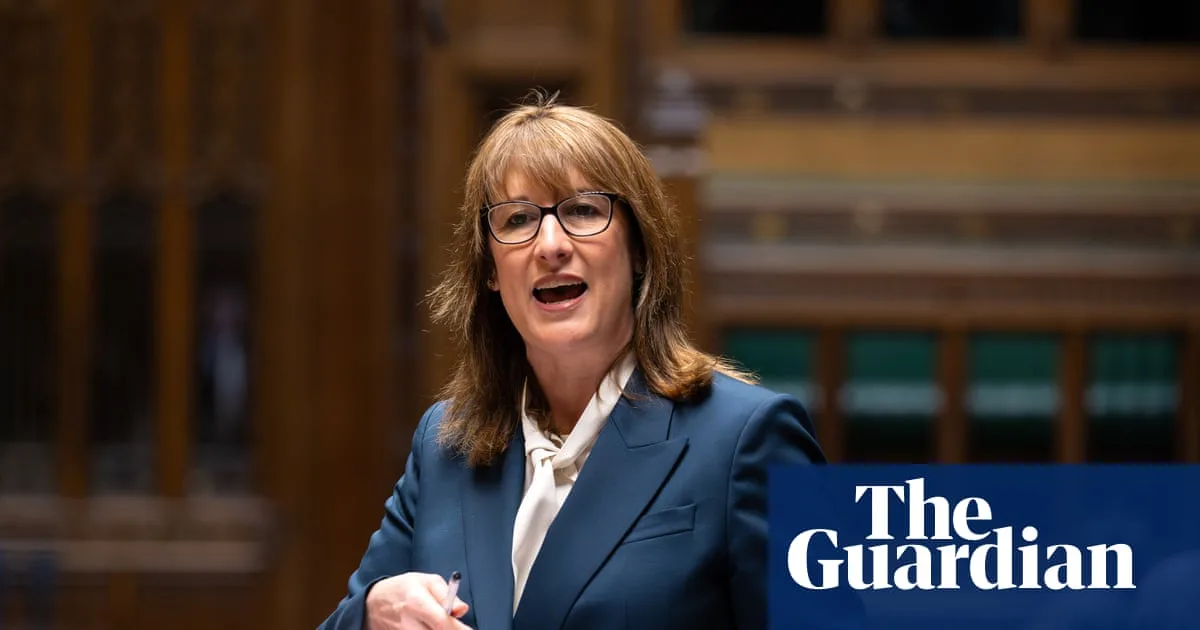
Chancellor Rachel Reeves has firmly ruled out implementing a universal bailout scheme for households should energy prices escalate dramatically due to the ongoing conflict involving Iran. In a comprehensive statement to Members of Parliament, she emphasized that the government would pursue a fair and equitable approach, specifically designed to shield vulnerable Britons from the financial impact of rising energy costs.
Learning from Past Mistakes: A Critique of Truss's Policies
Ms Reeves launched a pointed critique of former Prime Minister Liz Truss's energy price guarantee, which was introduced during her brief tenure in 2022 and applied indiscriminately to all households. The Chancellor stated unequivocally that taxpayers continue to bear the burden of those decisions, which provided substantial financial support even to the wealthiest segments of society.
"We must learn the mistakes of the past," Reeves declared in the House of Commons. "The previous government pushed up borrowing, interest rates, inflation and mortgage costs with an unfunded, untargeted package of support under Liz Truss that gave support to the most wealthiest of households between 2022 and 2024."
She highlighted that households in the top income decile received an average of £1,350 in direct energy bill assistance during that period, contributing to elevated national debt levels. "A cheque written then for a bill that is still being paid today," she remarked, underscoring the long-term consequences of those policies.
Contingency Planning and Targeted Assistance
The Chancellor confirmed that extensive contingency planning is underway to prepare for various scenarios arising from the Middle East conflict, which she acknowledged could pose significant economic challenges for the United Kingdom. While affirming that Britain is not a participant in the war, she recognized its potential knock-on effects on domestic energy markets and household finances.
"I promise to do what is right and fair, being responsive in a changing world and responsible in the national interest," Reeves assured MPs. Her approach focuses on developing targeted support mechanisms rather than blanket subsidies, with plans to engage supermarkets and banking institutions in discussions about mitigating price increases for consumers.
Regulatory Measures and Energy Security Initiatives
In addition to support measures, Ms Reeves announced that the Competition and Markets Authority would receive enhanced powers to combat price gouging and prevent sellers from profiteering during periods of market volatility. The government is also examining options for when the current energy price cap, set at £1,568 annually for average households, expires in September, alongside considerations regarding the phased reduction of the 5p fuel duty cut scheduled from August.
A central component of the government's strategy involves bolstering Britain's energy security through accelerated development of cleaner power sources. Reeves committed to reducing bureaucratic obstacles for nuclear power projects to expedite their implementation, while criticizing both Conservative and Reform parties for what she described as contradictory stances on critical infrastructure development.
"Let me say this - it is time to put our country first," she asserted. "We are developing options to back critical energy projects with indemnities if their planning consent is challenged, so that we don't waste a single moment in protecting our energy security."
Expert Endorsement and Political Criticism
The Resolution Foundation, a prominent left-leaning think tank, welcomed the Chancellor's emphasis on targeted support. The organization suggested that a discount scheme for lower-income households could provide approximately £300 annually to around 40% of customers, representing a more efficient allocation of resources compared to universal savings of £100 for all consumers, with both options estimated to cost £3.7 billion yearly.
Ruth Curtice, the think tank's chief executive, endorsed the approach: "The Chancellor is right to say that the Government will look to target support with energy bills at families that need it the most, rather than repeat the blank cheque approach of the last crisis. It's essential we avoid schemes with uncapped costs that can lead to a doom loop of higher interest rates and higher borrowing."
However, Green Party leader Zack Polanski offered a contrasting perspective, describing the government's response as "unbelievably weak" in the face of impending bill increases. He called for more decisive action, including an energy bill guarantee funded by strengthened windfall taxes and increased levies on extreme wealth, arguing that mere monitoring and consideration of new powers insufficiently addresses the scale of the looming cost-of-living crisis.
The Chancellor's update follows her participation in an emergency Cobra meeting alongside Prime Minister Keir Starmer and Bank of England Governor Andrew Bailey, where the economic ramifications of the Middle East situation were thoroughly examined. As the government continues to refine its energy policy framework, the focus remains squarely on protecting those most vulnerable to financial shocks while maintaining fiscal responsibility.