Chancellor Reeves Prepares Targeted Energy Support as Iran Conflict Escalates
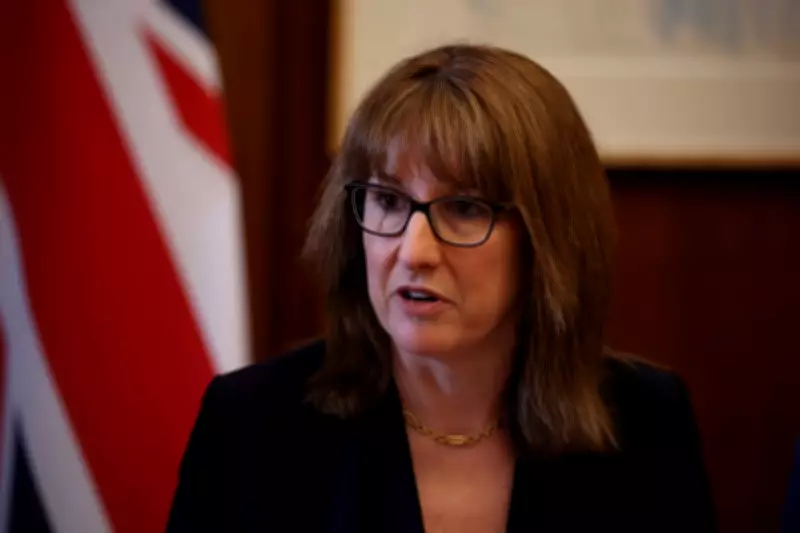
Chancellor Rachel Reeves is actively developing plans to provide targeted assistance to households grappling with rising energy costs, a situation exacerbated by the ongoing conflict in the Middle East. In a recent statement, she emphasised her commitment to taking necessary decisions to help families with the cost of living while safeguarding public finances. This move comes as the crisis, particularly involving Iran's actions in the Strait of Hormuz, threatens to drive up bills significantly.
Immediate Focus on Heating Oil Users
Approximately 1.5 million households in the UK rely on heating oil, which is not covered by the energy price cap. Since the start of the crisis, the price per litre has doubled, placing immense financial strain on these families. Ms Reeves has indicated that a subsidy package for these individuals will be announced next week. I have found the money and we've worked through with MPs and others a response for people who are not protected by the energy price cap, she stated in an interview with The Times, adding, We're giving greater support to those who really need it.
Gas and Electricity Bills Under Scrutiny
While gas and electricity bills are currently protected by Ofgem's price cap until June, analysts warn of potential dramatic hikes if the conflict persists. Cornwall Insight forecasts a 10% increase in household energy bills from July, driven by sharp rises in wholesale gas prices. This could push the price cap to £1,801 annually for a typical dual-fuel household, a £160 surge from April's level. Ms Reeves noted that there is more time to formulate a plan for these bills due to the cap, with the Treasury's Iran response board exploring various targeted options. We are working through different scenarios at the moment and I don't want to suggest that we're going to do something that we know we're not able to deliver, she cautioned, highlighting concerns over the high inherited debt.
Rejecting Blanket Bailouts
The Chancellor downplayed the possibility of a widespread energy bailout similar to the £35 billion package implemented after Russia's invasion of Ukraine. It is important even when there is an economic shock — or perhaps particularly when there's an economic shock — that you continue to be disciplined about your use of public money, she asserted, reinforcing a focus on fiscal responsibility.
Broader Context of the Crisis
The conflict has intensified, with recent developments including:
- US President Donald Trump claiming military targets on Iran's Kharg Island were obliterated in a major bombing raid, threatening further action if shipping through the Strait of Hormuz is blocked.
- The US deploying 2,500 marines and an amphibious assault ship to the Middle East, signalling a potential escalation.
- An airstrike in Baghdad killing at least one person and a missile hitting the US Embassy helipad, as reported by security officials.
- Over 20 incidents involving shipping and offshore infrastructure in the Arabian Gulf region since March 1, according to the Joint Maritime Information Centre.
These events have reduced daily ship traffic through the Strait of Hormuz from 138 to about five, causing volatility in global oil and gas prices that feeds into higher fuel bills and household energy costs.
Economic and Political Reactions
Official figures show economic growth flatlined in January, raising fears that soaring fuel and energy prices could push the UK into a recession. In response, Ms Reeves and Energy Secretary Ed Miliband met with oil firm bosses and forecourt operators to address rising fuel bills. A Government spokesman reiterated the Chancellor's stance, noting existing measures like the extended 5p fuel duty cut, expanded Warm Homes Discount, and the energy price cap's protection for the next three months.
Opposition leader Kemi Badenoch called for scrapping a planned fuel duty increase in September, labelling it stupid, and advocated for increased drilling in the North Sea to bolster energy security.