

Chancellor Warns of Significant Economic Impact from Iran Conflict
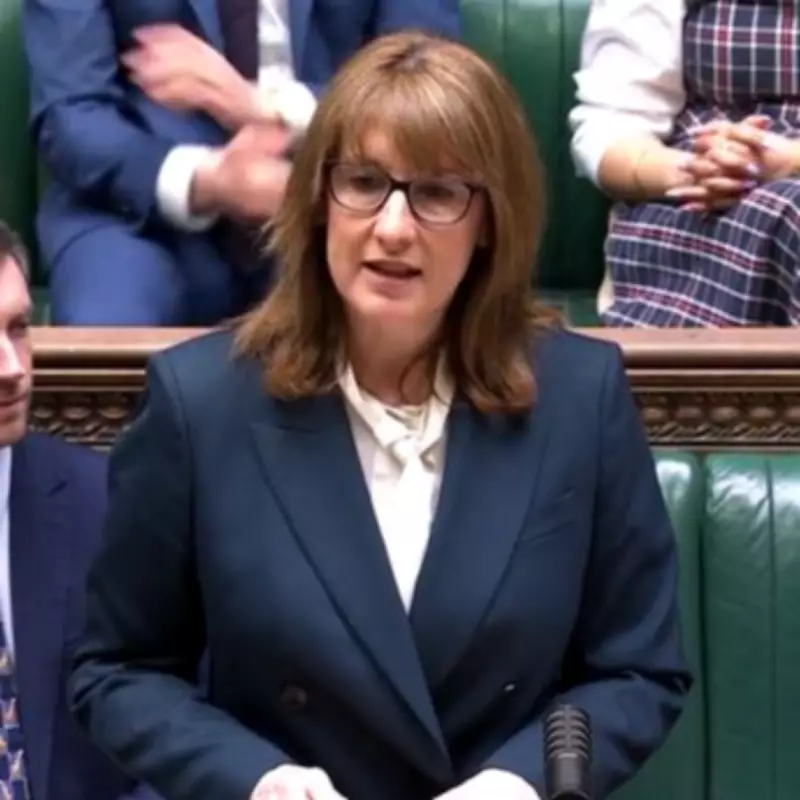
Chancellor Rachel Reeves has delivered a stark warning to Parliament, stating that the economic challenges resulting from the ongoing conflict in Iran could be "significant" for the United Kingdom. In a comprehensive update to the House of Commons, Ms Reeves outlined the government's strategy to support British families facing soaring energy bills while addressing broader economic pressures stemming from Middle Eastern instability.
Targeted Support Replaces Universal Schemes
The Chancellor made clear that any assistance with escalating energy costs would be strictly targeted toward those most in need, drawing a sharp contrast with previous approaches. She specifically criticized the £40 billion bailout implemented under former Prime Minister Liz Truss, which provided support to Britain's wealthiest households alongside struggling families.
"We must learn the mistakes of the past," Ms Reeves declared. "The previous government pushed up borrowing, interest rates, inflation and mortgage costs with an unfunded, untargeted package of support under Liz Truss that gave support to the most wealthiest of households between 2022 and 2024."

She revealed that households in the top income decile received an average of £1,350 in direct energy bill support under the previous scheme, contributing to current high levels of national debt.
Eight Key Policy Announcements
The Chancellor's statement contained eight major policy developments designed to address both immediate and long-term energy security concerns:
- No Universal Support Scheme: All future energy bill assistance will be targeted specifically at vulnerable households rather than applying universally.
- Significant Challenges Ahead: Ms Reeves acknowledged that economic impacts from the Iran conflict may be substantial but promised "to do what is right and fair" within fiscal constraints.
- New Nuclear Acceleration Laws: Legislation will be introduced to streamline nuclear project approvals, implementing recommendations from the independent Nuclear Regulatory Taskforce led by John Fingleton.
- Strategic Oil Reserve Release: The UK has begun releasing its share of 13.5 million barrels from strategic petroleum reserves as part of an International Energy Agency coordinated response.
- NATO Defense Procurement Cooperation: Britain will explore new defense financing and procurement mechanisms with Netherlands, Finland, and other EU and NATO partners.
- Fuel Price Monitoring Update: The Chancellor will provide a comprehensive update on fuel pricing within the next month following enhanced Competition and Markets Authority monitoring.
- Price Gouging Crackdown: New powers will be granted to the Competition and Markets Authority to detect and prevent profiteering during the crisis.
- EU Food Price Agreement: Negotiations with the European Union on a Sanitary and Phytosanitary Agreement are expected to conclude this year, potentially reducing food prices.
Immediate Crisis Response Measures
The conflict's immediate impact has been most visible in energy markets, with Iran's blockade of the Strait of Hormuz—a critical oil shipping route—sending global oil prices skyrocketing. Prime Minister Keir Starmer chaired an emergency Cobra meeting on Monday to coordinate protection for British citizens from economic fallout.
Ms Reeves emphasized that contingency planning was underway for "every eventuality" to keep costs manageable for all while providing targeted support to those most affected. She confirmed that ministers were examining support mechanisms for both winter energy needs and the upcoming summer energy price cap adjustment.
Long-Term Energy Security Strategy
Beyond immediate crisis response, the Chancellor outlined substantial structural reforms to Britain's energy infrastructure. The nuclear acceleration legislation aims to address what the Fingleton review identified as an "overly complex" and "bureaucratic" system hindering new plant development.

"I will not tolerate red tape and vested interests holding back our energy security," Ms Reeves asserted, criticizing opposition parties for "voting against the very infrastructure to build it."
The government is also developing options to back critical energy projects with indemnities if their planning consent faces challenges, ensuring no delays in enhancing national energy security.
Consumer Protection Initiatives
A significant portion of the Chancellor's statement focused on protecting consumers from market exploitation. The new anti-profiteering framework will provide regulators with time-limited, targeted powers to prevent price gouging.
"This government will not tolerate any company exploiting this crisis at consumers' expense," Ms Reeves warned, announcing that she and the Business Secretary would convene the Regulators Council to coordinate consumer protection efforts.
Additional measures include meetings with supermarkets and banks to discuss customer support options, particularly regarding potential food price increases resulting from the conflict. The National Farmers' Union has already warned of rising costs for cucumbers, tomatoes, and other crops over the coming months.
International Coordination Efforts
The Chancellor emphasized Britain's collaborative approach to the crisis, highlighting participation in the International Energy Agency's coordinated oil release—the largest in history at 400 million barrels total. She also noted ongoing defense procurement discussions with NATO allies as part of the government's commitment to spend 2.5% of GDP on defense.
Ms Reeves concluded by reiterating her commitment to "acting within our iron-clad fiscal rules to keep inflation and interest rates as low as possible" while providing necessary support during what she acknowledged would be challenging economic circumstances resulting from a conflict "that will have an impact on our country."





