Chancellor Rachel Reeves to Announce Extra Support for Heating Oil Households
Chancellor Rachel Reeves is set to unveil additional support measures next week for households across the United Kingdom grappling with a surge in heating oil costs, driven by the ongoing conflict in the Middle East. The initiative aims to assist low-income and vulnerable customers, particularly those in rural areas, who face unique financial pressures due to their reliance on this fuel source.
Targeted Assistance for Vulnerable Groups
Reeves has acknowledged the "unique challenges" encountered by individuals dependent on heating oil, which is not regulated by Ofgem's energy price cap. With an estimated 1.7 million UK households using heating oil for heating and hot water, the chancellor plans to deliver help in England through local councils via the newly established crisis and resilience fund. While specific funding amounts have not been disclosed, ministers are prepared to increase support to this fund if necessary.
In devolved nations, Scotland, Wales, and Northern Ireland will receive allocated funds to implement similar assistance programs. Notably, in Northern Ireland, heating oil serves as the primary heating source for two-thirds of households, highlighting the urgency of the situation.

Impact of Middle East Conflict on Prices
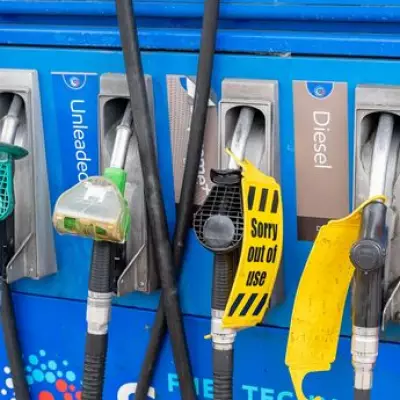
The disruption to fuel supplies following the US-Israeli war on Iran has led to significant price hikes, with some customers reporting quoted costs for refilling tanks nearly tripling. This has resulted in pre-existing orders being cancelled, forcing households to reorder at higher prices or struggle to find willing suppliers. Heating oil users typically purchase in bulk to fill tanks, often because their homes lack connection to the mains gas network, making upfront costs a substantial burden.
Government Measures and Oversight
To address these issues, Reeves has tasked Spencer Livermore, the financial secretary to the Treasury, with engaging rural and Northern Irish MPs to explore potential remedies. Additionally, ministers have pressured petrol retailers to avoid exploiting the Iran crisis for excessive price increases and have requested the Competition and Markets Authority to monitor for unjustified rises in heating oil prices.
The crisis and resilience fund, operational from 1 April, provides English councils with £1 billion annually over an initial three-year period to support communities facing financial pressures. A Treasury source emphasized, "Families who rely on heating oil can’t spread the cost – when the tank’s empty, you have to find hundreds of pounds upfront. That’s why the chancellor is providing targeted help for low‑income and vulnerable households across the UK."
While the government is confident that public opinion supports Keir Starmer's stance on the initial attack on Iran, there is concern about the prolonged impact of higher fuel and petrol prices if the conflict continues. This move underscores the administration's commitment to mitigating economic hardships for affected households during this turbulent period.