A record number of renewable energy projects were approved in Great Britain in 2025, with planning approvals almost doubling year on year to reach 45GW, according to analysis by Cornwall Insight. This marks a 96% increase from 2024 and a more than 400% rise over the past five years.
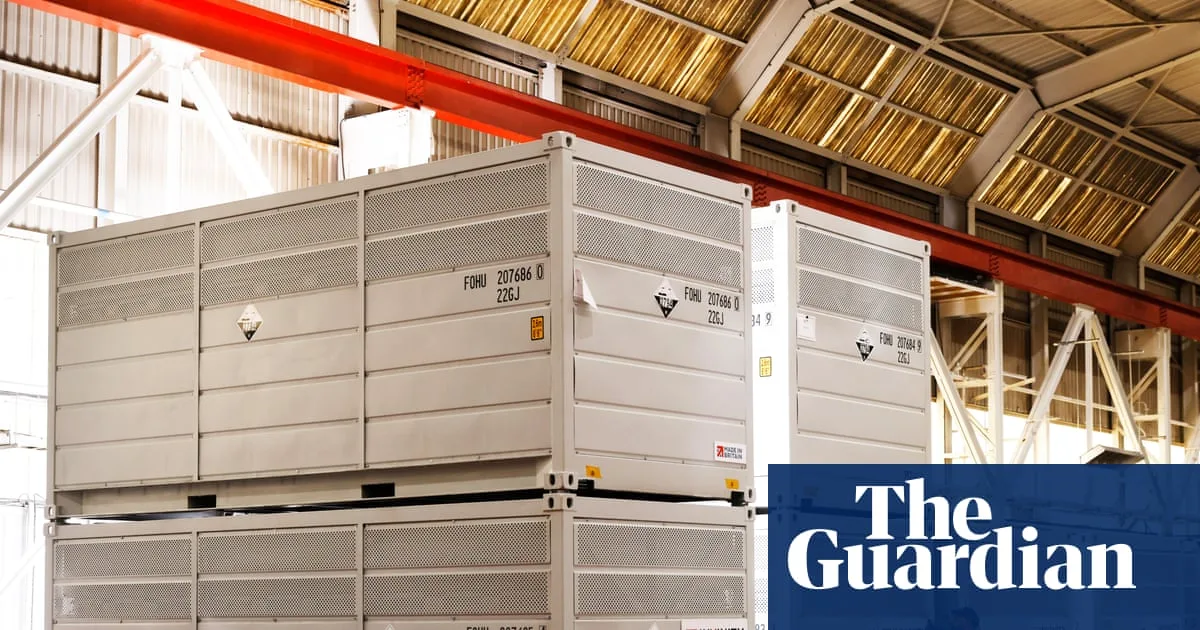
The surge was driven primarily by battery storage applications, which nearly doubled to 28.6GW, and offshore wind, which saw a sevenfold increase to 9.9GW. Solar projects also contributed to the record figures.
Energy Secretary Ed Miliband welcomed the news, stating: 'After years of delay and underinvestment, this government is keeping its promise to take back control of Britain’s energy with clean homegrown power. Every project we approve, every investment we make is about getting the country off the rollercoaster of fossil fuel markets, protecting households and lowering bills for good.'
Despite the record approvals, Robin Clarke, senior analyst at Cornwall Insight, cautioned that many projects could face delays. 'On paper, the UK’s renewables pipeline has never looked stronger,' he said. 'But approvals don’t generate electricity, and we urgently need to move from ambition to actual delivery of these projects. Too much capacity is still stuck in queues or waiting on grid upgrades.'
Grid bottlenecks remain a major hurdle, but recent reforms to the connection queue—shifting from a 'first come, first served' approach to 'first ready, first needed, first connected'—are expected to help clear the backlog. Earlier this month, the energy system operator removed hundreds of 'zombie projects' to make way for schemes worth approximately £40bn that align with the government’s 2030 zero-carbon power goal.
Cornwall Insight emphasised that the rapid expansion of renewables will require significant reinforcement and expansion of the electricity grid. 'The current infrastructure was never designed for such high volumes of intermittent generation and storage,' the firm noted, calling for investment in grid flexibility, transmission upgrades, and smart technologies.