

As the winter chill sets in and the new energy price cap looms, millions of British households are searching for ways to keep warm without facing astronomical bills. Contrary to popular belief, one expert insists that significant savings don't require costly upgrades or sacrificing comfort by turning the thermostat down.
The Overlooked Thermostat Fix
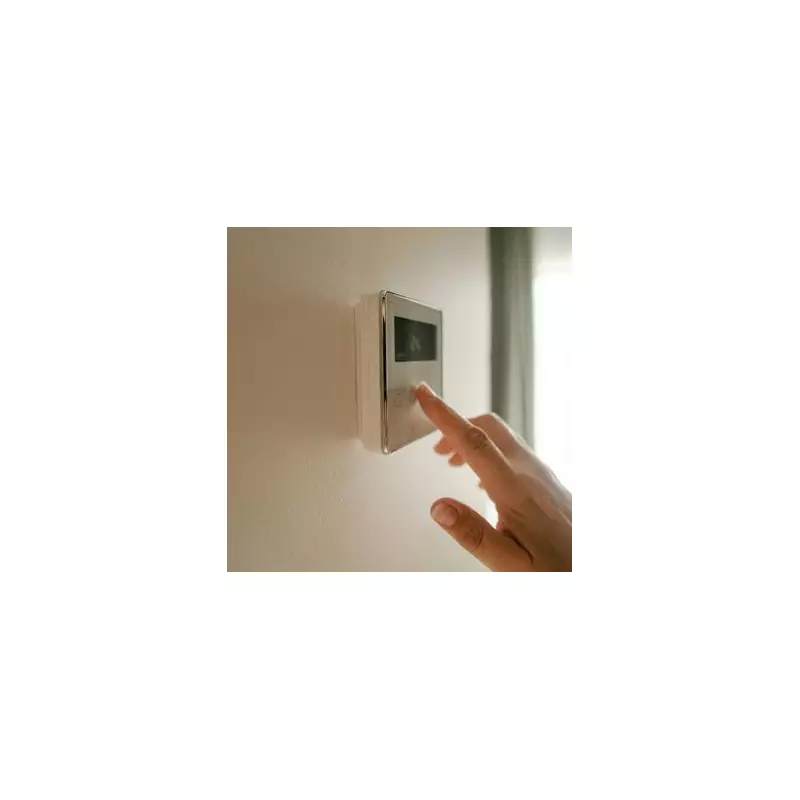
Glen Pesket, a home maintenance specialist at Saxton Blades, highlights a remarkably simple yet frequently ignored task: cleaning your thermostat or boiler sensor. "Thermostats and boiler sensors quickly get dusty or blocked behind furniture," Glen explained. This accumulation of dust and debris can cause the device to misread a room's temperature, making it think the space is colder than it actually is.
The consequence is a boiler working harder and longer than necessary, quietly inflating your energy consumption. "Just giving them a gentle clean or moving items away can stop the system from thinking the room is colder or hotter than it really is," Pesket advises. This minor adjustment, taking just minutes, can lead to more accurate heating and immediate savings.

Essential Radiator Maintenance for Maximum Efficiency
Beyond the thermostat, Glen Pesket points to two other critical maintenance jobs that can dramatically improve your heating system's performance. The first is bleeding radiators, with a specific warning about heated towel rails. "Towel radiators are some of the worst offenders for air build-up and one of the most forgotten areas for energy inefficiency," he said.
The process is straightforward: using a small radiator key, release the trapped air until you hear a hiss followed by a steady drip of water. This allows hot water to circulate properly again, ensuring the radiator heats up fully and efficiently.
The second task is balancing your radiators. "Most people don't realise how often one radiator overheats while another barely warms up," noted Pesket. Balancing involves adjusting the valves on each radiator so that every room in your home receives an even share of hot water. While it requires some trial and error, this process prevents your boiler from overworking and optimises heat distribution.
Why These Small Changes Matter Now
These tips arrive at a crucial time for household finances. With the energy price cap set to change in January 2026, the typical annual bill for a dual-fuel household is expected to rise to around £1,758. In this climate, every penny saved on energy use counts.
"People assume that saving money on energy requires expensive upgrades or full system overhauls, but that's simply not the case," Glen Pesket emphasised. "There are several very easy adjustments most households can make in under an hour, and collectively they can reduce energy use significantly."
By dedicating a short amount of time to these simple maintenance checks—cleaning sensors, bleeding radiators, and balancing the system—homeowners can achieve a more efficient heating system, a warmer home, and lower bills, all without turning down the thermostat.






