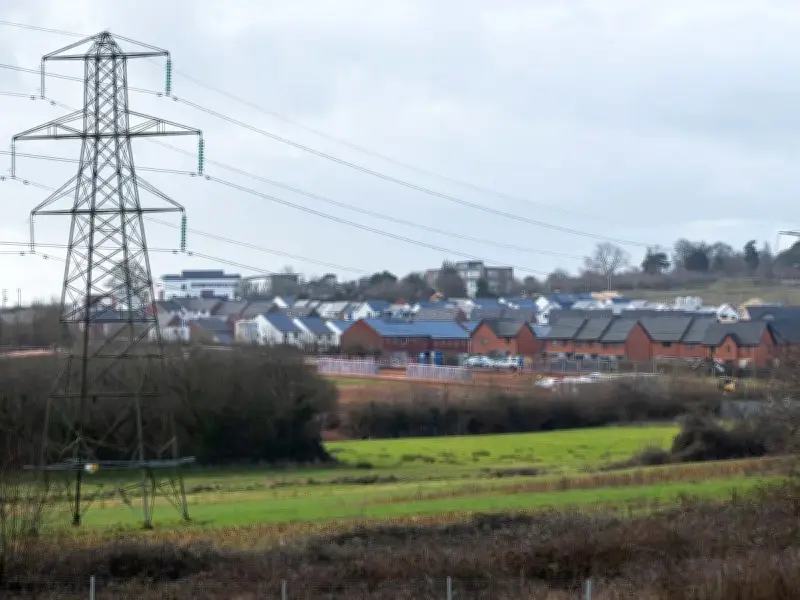
Thousands of households living near new or upgraded pylons are set to be the first to get money off their electricity bills. The first payments will start next year, as the first projects expected to be within the scope of the government’s bill discount scheme are unveiled today (August 12).
Over 40 locations to benefit
From the Scottish Highlands to the south of England, communities in over 40 locations are set to receive direct benefits for hosting vital infrastructure that the government says will provide cheaper, cleaner electricity to the whole country. This includes new or significantly upgraded overhead transmission lines and eligible associated infrastructure.
Those living within 500 metres of these projects are expected to get £2,500 off their electricity bills over 10 years. Energy Minister Michael Shanks said: "Upgrading Britain's electricity grid is a vital part of how we deliver secure, homegrown energy and unlock economic growth across the country.
"It is a moment of national renewal - upgrading what was built largely in the 1960s for the modern age and is our route to bringing down electricity bills for households across the country. It's vital we build again as a country and we are determined those communities which host pylons should benefit which is why we're bringing down the energy bills of those hosting this vital national infrastructure."
Grid upgrades and bill savings
With much of Britain’s electricity grid built in the 1960s, the government is rolling out the upgrades Britain needs to connect new sources of electricity generation. The government says this will strengthen Britain’s energy security and deliver a more affordable energy system for billpayers.
The government also says it is now delivering on its commitment to put communities at the heart of a 'cleaner, more affordable, homegrown energy system'. This will in turn help to bring down bills for every household, by reducing Britain’s dependence on the volatile fossil fuel markets seen in recent months, it adds.
The incentive forms part of a wider plan to 'bring bills down for good'. It comes after government action to cut VAT on electricity bills, giving families across Britain immediate cost-of-living breathing space.
First wave of projects
The 43 transmission projects announced today form the first wave, with further projects to follow as the scheme is rolled out. It is expected that hundreds of thousands of homes will benefit from the scheme in total over the next decade.
Following the launch of the scheme, projects will only be in scope for the discounts once they have secured all necessary consents and the main construction works have started. Projects that began construction on or after March 10, 2025, will be eligible.
Most eligible households will automatically receive the discount on their electricity bill every six months through their energy supplier. However, some households may need to apply, such as those on commercial meters.
Households can expect to receive further information in the first half of next year, when they will be directly contacted by their energy supplier or Ofgem if they qualify. Projects being delivered by National Grid Electricity Transmission, SP Energy Networks, and SSEN Transmission are set to be eligible.
Earlier this month, National Grid announced a commitment to support 5,000 young people who are not in employment, education or training to develop skills and access career opportunities in the energy and infrastructure sectors, following the Prime Minister's plans to drive more young people into work.
The discounts build on wider government Community Funds guidance in place for areas hosting grid infrastructure projects since last year, which is set to deliver millions of pounds in funding to communities across Britain. Under that guidance, communities living close to National Grid's Bramford to Twinstead reinforcement project are set to benefit from more than £4 million in payments to fund community projects in their area. In Scotland, communities near SP Energy Networks' Chirmorie overhead line project would be eligible for around £2.4m of community benefit funding to support local projects.
The announcement also comes after new independent research, published in June, confirmed that building pylons remains the most cost-effective way of upgrading Britain’s outdated electricity networks, so it presents the best value for bill-payers.