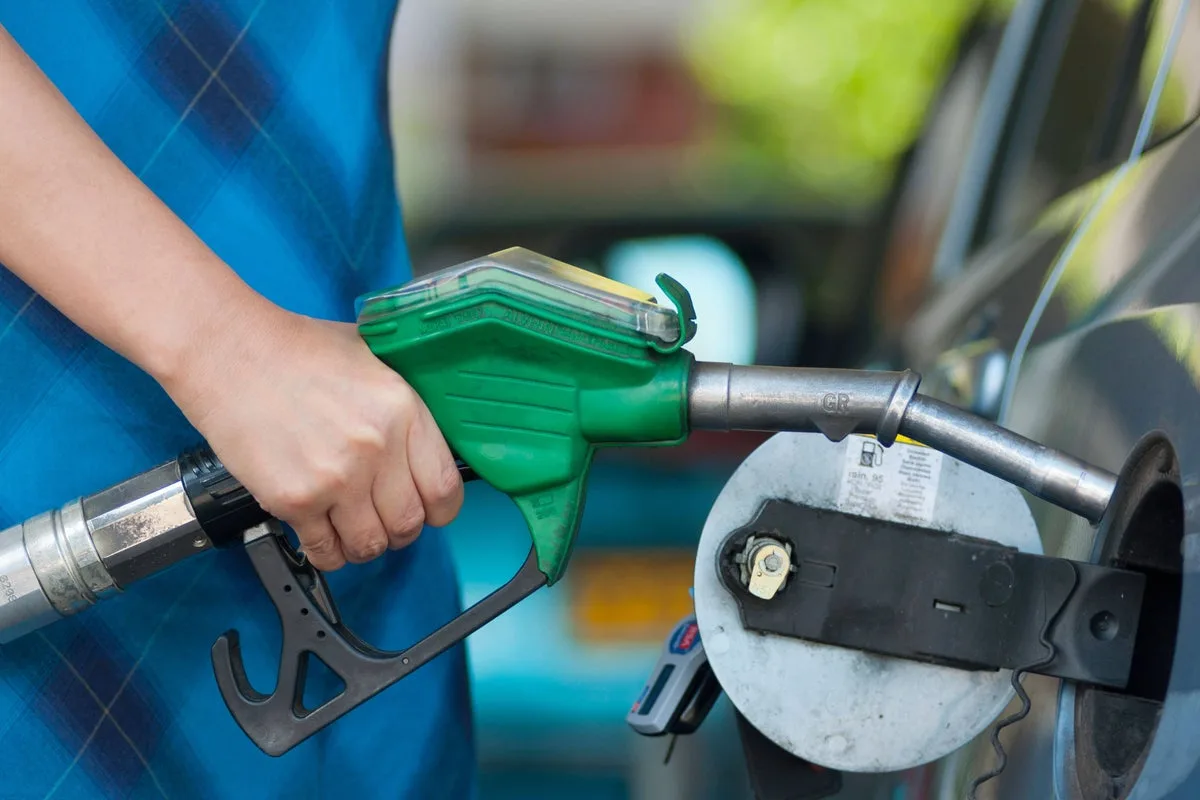
The planned increase in fuel duty has been abandoned, offering relief to motorists facing record-high petrol and diesel prices exacerbated by the war in Iran. Prime Minister Sir Keir Starmer announced that the 5p per litre fuel duty cut introduced in March 2022 will be extended for the remainder of the year, holding the rate at nearly 53p per litre.
This decision overrides previous plans for a 1p per litre rise on 1 September, followed by two 2p increases in December and next March. Iran’s restrictions on tankers in the Strait of Hormuz have driven up costs, with average UK forecourt prices for petrol and diesel now 26p and 44p per litre more expensive respectively than before the conflict began on 28 February.
Sir Keir told MPs: 'Families across the United Kingdom are facing impacts of a war that we did not choose.' He added: 'This is not our war, but while the parties opposite wanted to jump into it, Labour will always protect working people.' Steve Gooding, director of the RAC Foundation, noted that although the fuel duty freeze won't immediately lower prices, it shows ministers recognise the financial pain. The AA's Jack Cousens said the announcement gives scope for the Government's Fuel Finder scheme to help drivers find best prices.
The Prime Minister also announced a 12-month road tax holiday for hauliers, paying £1 at renewal, saving up to £912 for the largest vehicles. Richard Smith of the Road Haulage Association welcomed the move but urged further action, as many operators are 'already on the brink'. Farmers and other users of red diesel will see their duty cut from 10.18p to 6.48p per litre from June 15 until year-end.
Downing Street indicated the package will cost £455 million, to be scored by the independent Office for Budget Responsibility. The extension of the 5p cut only runs to the end of 2026, meaning motorists could face increases in the new year. Chancellor Rachel Reeves is expected to outline future fuel duty plans in the autumn budget.