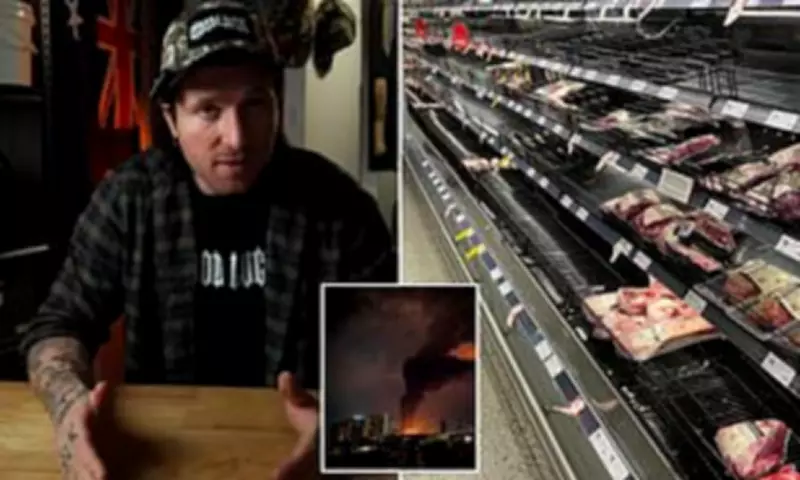
A prominent Australian prepper has issued a stark warning to households across the nation, urging them to begin preparing for potential shortages and significant price increases as the conflict in the Middle East intensifies. Joshua Stephens represents a growing cohort of Australians who are proactively readying themselves and their families for when 'disaster strikes again', whether that be a natural catastrophe, the breakdown of civil society, or even the onset of a global conflict.
Fuel Price Surge Threatens Everything
'They are warning us that petrol could reach $3 nationwide if the conflict continues,' Stephens stated emphatically. 'This doesn't just affect your car; fuel powers transport, food delivery, farming equipment, shipping, and power generation. So when fuel prices go up, everything else follows—groceries, freight, even your electricity will increase.'
Avoid Panic, Build Resilience Gradually
Mr Stephens strongly advises Australians to avoid panic buying and instead focus on simple, incremental steps to improve household resilience. Key recommendations include stocking extra pantry staples, storing water, preparing a vehicle emergency kit, and keeping basic power and medical supplies readily available.

'Don't go blowing your life savings and clearing out supermarket shelves,' he cautioned. 'What you should be doing is, when you do a normal weekly shop, start adding a few extra items as a buffer because small additions over time create a significant reserve.'
He explained that any pressure on global supply chains would be felt locally not because food is running out, but because supermarkets operate on tightly timed logistics and frequent deliveries. 'We saw this during the pandemic—empty shelves and people panic buying. If supply chains start slowing down, they will actually struggle to catch up.'
Food Preparation: Avoiding Chaos, Not Starvation
'Food preparation isn't about starvation. It's about avoiding chaos,' Stephens clarified. 'You want to aim for 14 to 30 days of food at home—the simple staples: rice, pasta, oats, flour, beans, lentils, tinned tuna, tinned chicken, tinned vegetables, peanut butter, and cooking oil. These foods are cheap, calorie dense, and have a long shelf life.'
Global Energy Emergency Unfolding
Primara Research data analyst Peter Drennan highlighted that the closure of the Strait of Hormuz poses a major threat to global energy markets, with roughly 20 percent of the world's oil transported through this vital shipping chokepoint.
'The good news is there is over 4.3 million barrels per day in extra oil production capacity in OPEC+ to offset the closure of the Strait,' Drennan noted. 'The problem is 75 percent of that is held by supplies that need to transit the Strait of Hormuz.'
He warned the situation amounts to a 'global energy emergency unfolding in real time', and Australia could be particularly exposed. There are long-running concerns that the nation falls short of the International Energy Agency's 90-day on-shore fuel reserve requirement.
Immediate Impacts on Australian Motorists
Energy Minister Chris Bowen has confirmed Australia currently holds 36 days of petrol, 34 days of diesel, and 32 days of jet fuel. However, Stephens cautioned that if global oil supply tightens, Australians would see immediate and severe impacts.
'You'd see price hikes at the bowser and long queues at petrol stations,' he predicted. 'People will start running their fuel tanks longer than they should, and once that happens, something else follows. Cars begin running out of fuel on the road, roads clog, vehicles get abandoned, and suddenly getting home becomes a lot harder.'
Power Outages and Communication Breakdowns
Stephens also warned that strained energy systems can trigger power outages, urging households to keep at least a large power bank on hand. 'It's not always a nationwide blackout. Sometimes it's just short interruptions or local grid failures, but even short blackouts can cause big problems.'
'Your phone dies, the lights go out, the internet drops, and mobile networks start to slow down. Something that you rely on every single day becomes unreliable, and when people lose access to information, that's where rumours start to spread. And when that happens, people start guessing, and guessing leads to panic.'

The goal is to keep communication alive. Stephens advised: 'Start simple: get a large power bank so you can charge your phone and stay updated on what's happening in your area.'