As a bitter cold snap grips the UK, households are cranking up their thermostats, only to find warmth is slow to spread and expensive to maintain. However, a simple adjustment championed by plumbing professionals could help channel that precious heat more effectively, saving both time and money.
The Shelf Solution: Stopping Hot Air Escape
A specialist from Your Plumber has highlighted a crucial yet often overlooked step for heating efficiency: preventing hot air from simply rising and being wasted. Their recommended fix is surprisingly straightforward. Installing a shelf above your radiators can act as a barrier, stopping the hot air from rising directly up the wall and instead pushing it out into the room.
This clever hack helps distribute warmth more rapidly, meaning your living space heats up faster and your boiler doesn't have to work as hard or as long. It's a low-cost modification that can make a significant difference to both comfort and energy expenditure during the chilly winter months.

Reflective Panels and Clearing Blockages
The plumbing expert shared another valuable DIY tip to complement the shelf. By covering a thin piece of card with kitchen foil and placing it behind the radiator, you create a reflective panel. This panel bounces heat that would otherwise be lost into the wall back into the room, further accelerating the warming process and helping to maintain a consistent temperature.
Equally important is ensuring nothing is obstructing your radiators. The professional advises moving large furniture items, like sofas, away from heaters. These can absorb a substantial amount of heat, preventing it from circulating and essentially acting as thermal blockers.
The Critical Step: Bleeding Your Radiators
Beyond these hacks, a fundamental maintenance task is vital for peak radiator performance. Bleeding your radiators to remove trapped air is essential, as air pockets prevent hot water from filling the entire unit, leading to cold spots.
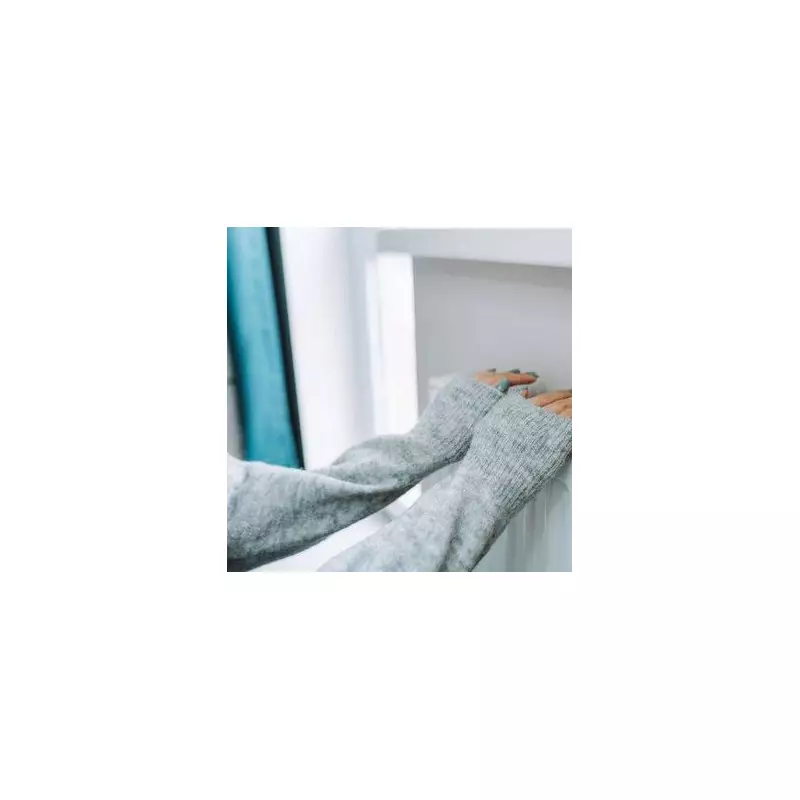
You can check if bleeding is needed by feeling your radiators when the heating is on; if they are warm at the bottom but cool at the top, it's a clear sign. Mark Ingram, a technical gas and plumbing tutor at Engineering Real Results (ERR), emphasised the importance of this simple job, especially during high-demand cold spells.
"As time goes on and the temperatures get cooler, the demand will only get higher and people may find they have to wait days for an engineer," Ingram stated. He added that bleeding radiators is an easy task most people can do themselves, but for more complex issues, always consult a registered Gas Safe engineer.
By combining these practical steps—using shelves, reflective foil, clearing obstructions, and regular bleeding—households can significantly enhance their heating efficiency, stay warmer for longer, and keep a tighter rein on energy bills during the UK's winter freeze.