With oil prices soaring and many UK households facing higher energy costs, it is no surprise that Brits are actively seeking ways to reduce their bills. Generating power through solar panels has emerged as an attractive proposition, offering significant financial savings and environmental benefits.
Potential Savings and Government Initiatives
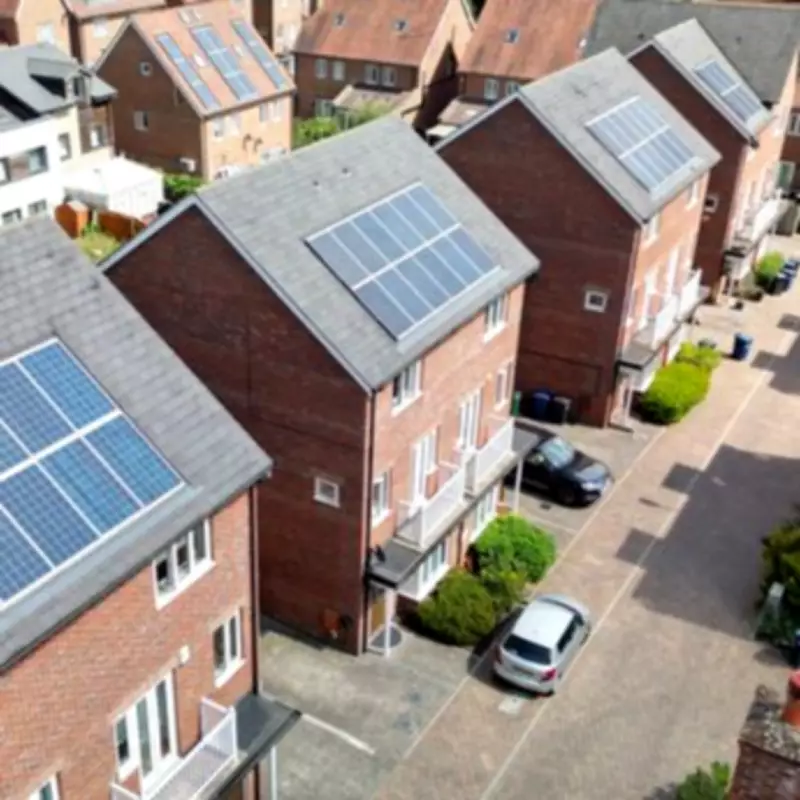
Research from the Energy Saving Trust indicates that in cities such as London and Manchester, installing solar panel systems could save Brits upwards of £500 per year. The installation process has become more accessible, with companies like Solar4Good providing quick quotes, managing installations, and offering warranties extending beyond 25 years.
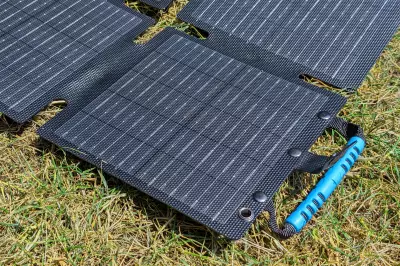
In a notable development, the UK government has announced plans to introduce 'plug-in' solar panels designed for balconies and outdoor spaces. Retailers including Lidl and Iceland are expected to stock these panels, making them more readily available to consumers. This initiative aims to simplify adoption and further encourage renewable energy use across the country.

Key Considerations for Homeowners
Upfront Installation Costs
While solar panels offer long-term savings, they require a substantial initial investment. According to the Energy Saving Trust, the average home solar panel system costs approximately £6,100 to install. Factors influencing this cost include system size, integration into the building, and roof accessibility.
Specialist firms such as Solar4Good, along with energy providers like Eon and Octopus Energy, offer quotes and support. Wickes also provides free solar appointments to help homeowners assess their options. Despite the upfront expense, warranties of up to 25+ years can make this a worthwhile investment for a 'forever home'.
Reduction in Energy Bills
The primary appeal of solar panels lies in their ability to lower energy bills over time. By generating clean electricity from sunlight, households become less reliant on the national grid. In some cases, excess electricity can be sold back to the grid through the UK government's Smart Export Guarantee scheme, providing an additional revenue stream.
Savings vary by region, but combining solar panels with other energy-saving tactics, such as storage systems and smart EV charging, can reduce grid bills by 60–80% according to Solar4Good. Moreover, using solar energy helps shrink your carbon footprint, contributing to environmental sustainability.
Timing of Electricity Usage
Understanding electricity demand patterns is crucial for maximising savings. Electricity from the national grid is cheapest overnight, typically from midnight to 6am, when demand is lowest. Peak times, usually in the evenings, come with higher costs on some tariffs.
Households with solar panels and battery storage can avoid expensive peak hours by using stored power. Alan Pennington, spokesperson for Karas Plating, emphasises that solar works most effectively when electricity is used during daylight hours. He advises, 'Choosing a reputable installer and understanding the available export schemes can also make a big difference in how quickly the investment begins to pay off.'
In summary, solar panels present a viable solution for UK households looking to cut energy costs and embrace renewable energy. With government support and advancing technology, the transition to solar power is becoming increasingly feasible for many Brits.