UK Drivers Queue for Petrol Amid Fears of 'Inevitable' Price Surge
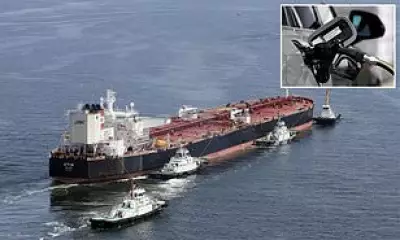
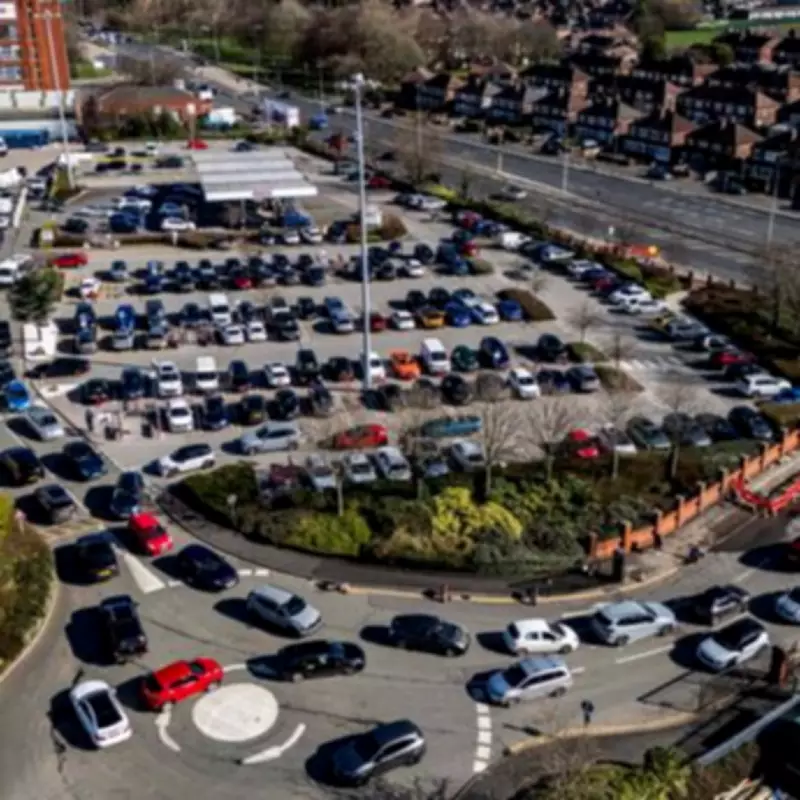
Motorists across the United Kingdom have been forming lengthy queues at petrol stations, racing to refuel their vehicles ahead of what experts describe as an inevitable increase in fuel costs. This rush comes as global oil prices surge dramatically following the escalating conflict in Iran, with disruptions to Middle Eastern tanker traffic threatening to impact British wallets directly.
Middle East Crisis Triggers Oil Market Volatility
The crisis began when the United States and Israel conducted extensive military strikes on Saturday, February 28, targeting Iran's missile infrastructure, military installations, and senior commanders. These actions followed the death of Iran's Supreme Leader, Ayatollah Ali Khamenei, during the initial attacks, plunging the region into further turmoil. Although the fighting is occurring thousands of miles from British shores, the economic repercussions are already being felt, with oil prices jumping by 13 per cent on Monday alone as market traders factor in the heightened risks.
Edmund King, president of the AA, noted that much of this price rise was anticipated beforehand, but he emphasised that there is no need for drivers to break their normal refuelling routines. Despite this reassurance, photographs from locations such as Costco in Oldham, Greater Manchester, and Tesco in South Queensferry, Scotland, show forecourts running low on unleaded petrol as queues of cars snake around the premises.

Expert Predictions on Fuel Price Increases
Industry analysts warn that the disruption could push pump prices back to levels last seen at the beginning of 2026, when a litre of petrol averaged 135.7p. This represents a significant jump from recent lows of around 131.9p last month, as reported by the Express. Simon Williams, head of policy at the RAC, provided a measured perspective, stating: "Whilst the conflict in the Middle East undoubtedly has the potential to push up pump prices in the UK, it's not a certainty. The oil price would have to rise significantly and stay that way for some time to have a dramatic effect."
To help drivers navigate these uncertain times, the RAC offers a free 'Fuel Watch' tracker tool. This service compares prices at major retailers like Asda, Costco, Tesco, Sainsbury's, and Morrisons, alongside numerous smaller brands, ensuring motorists can find the best value options when filling up.
Government Response and Energy Security
The UK government has acknowledged the situation, with the Prime Minister's official spokesperson confirming that authorities are monitoring the developments closely. They added: "The UK benefits from strong and diverse security of energy supplies. The Energy Secretary (Ed Miliband) spoke to the executive director of the International Energy Agency (Dr Fatih Birol) over the weekend. There are currently no reported impacts on the UK fuel supply. DESNZ (the Department for Energy Security and Net Zero) will continue to monitor UK fuel stocks and sales."
This statement aims to reassure the public about the nation's energy resilience, but it has done little to quell the anxiety among drivers who are already feeling the pinch at the pumps. As the conflict in Iran continues to unfold, the spectre of higher fuel costs looms large, prompting many to take preemptive action by topping up their tanks while prices remain relatively stable.