

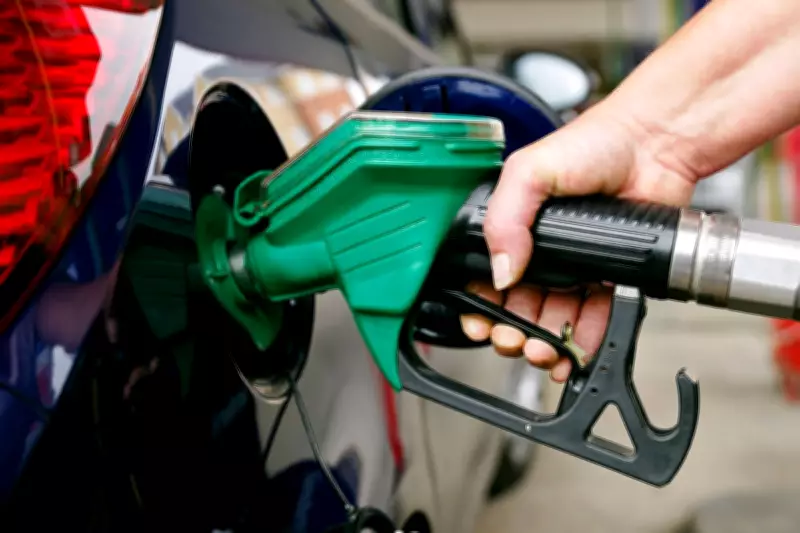
The cost of filling up at the pumps and heating homes across the United Kingdom has escalated dramatically, with official figures revealing petrol, diesel and heating oil have all reached multi-year highs. The Department for Energy Security & Net Zero (DESNZ) has published data showing significant price increases directly linked to supply chain disruptions caused by the ongoing conflict in Iran.
Petrol and Diesel: Pump Prices Reach Concerning Peaks
According to the latest weekly fuel price survey from DESNZ, which covers approximately 60% of the total market volume sold, the average price for a litre of unleaded petrol stood at 148.8p on Monday, March 30. This represents a substantial week-on-week increase of 4.6p and a staggering 16.6p (13%) rise since March 2. This price point marks the highest level for unleaded petrol since May 2024. The Iran conflict, which began on February 28, is cited as the primary catalyst for this sharp upward trend.
Historical context reveals the severity of the current situation. Unleaded petrol previously peaked at 191.6p per litre in July 2022, shortly after Russia's invasion of Ukraine. While current prices remain below that record, the rapid ascent is causing significant financial strain on motorists.

The situation is even more acute for diesel. The DESNZ survey indicates the average price per litre reached 176.5p on March 30, surging 9.6p from the previous week and a massive 34.4p (24%) higher than on March 2. This is the most expensive diesel has been since December 2022. Diesel's historical peak was 199.2p per litre, also recorded in July 2022.
RAC Data Confirms the Upward Trajectory
Separate daily estimates from the RAC, based on wholesale prices and pump data from major supermarkets and other retailers, corroborate the government findings. As of Tuesday, March 31, the RAC reported an average unleaded petrol price of 152.8p per litre, a 20p increase since the Iran conflict began. Diesel prices were even higher at 182.8p per litre, up by a concerning 40p since February 28.
This price surge has a tangible impact on household budgets. Filling a standard 55-litre family car now costs over £100.52, breaching the psychologically significant £100 threshold for the first time since December 2022.
The Cumulative Cost to UK Motorists
The RAC Foundation, a motoring research charity, has calculated the broader economic impact. Their analysis estimates that the rise in road fuel prices has cost UK motorists a cumulative additional £544 million for petrol and diesel since the conflict started. This breaks down to £409 million for diesel and £135 million for petrol.
These figures represent the total extra spending compared to what would have been spent had prices remained at their pre-conflict levels of February 27. The calculation is based on average daily pump price increases and last year's national fuel consumption rates, highlighting the widespread financial burden.
Heating Oil Prices Also Skyrocket
The price crisis extends beyond the forecourt into homes reliant on oil heating. DESNZ's monthly figures show the average price per litre of standard grade burning oil (primarily kerosene used in domestic central heating) stood at 104.1p in March. This is nearly double February's average of 53.5p and represents the highest monthly figure since official records began in January 1989, surpassing the previous peak of 99.3p in June 2022.
Commercial and agricultural users are also facing steep increases. The average price for gas oil, used in commercial heating systems, reached 99.5p per litre in March, a 51% jump from 66.0p in February. This is the highest monthly price since November 2022, when it hit 128.1p.
The convergence of these price hikes across petrol, diesel, and heating oil underscores the profound impact geopolitical instability in the Middle East is having on energy costs for both consumers and businesses throughout the United Kingdom. With the Iran conflict continuing to disrupt global supply chains, analysts warn that prices may remain elevated in the near term.






