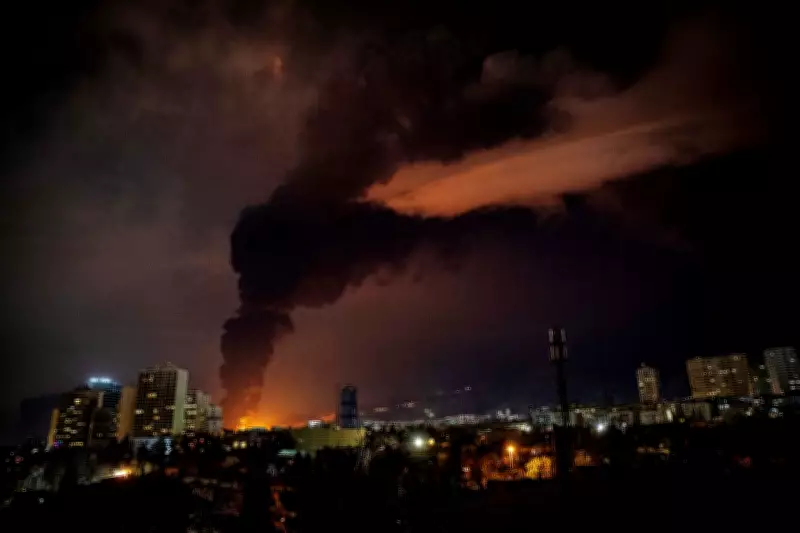
Oil prices have surged dramatically, climbing above 100 dollars a barrel for the first time in nearly four years and briefly touching almost 120 dollars. This sharp increase is driven by escalating conflict in Iran, which has triggered significant disruptions in global energy markets.
Iran's Actions Fuel Price Spike
The price surge is directly attributed to recent developments in Iran. Following the death of the previous supreme leader in strikes, Mojtaba Khamenei has been named as the new supreme leader, a move seen as hardline. Iran has also targeted regional energy infrastructure and blocked the crucial Strait of Hormuz, a vital waterway that handles approximately one-fifth of the world's oil shipments. These actions have created immediate supply concerns, pushing crude costs higher.
Global Economic Impact
The repercussions are being felt worldwide. Global stock markets are expected to slump, with Japan's Nikkei 225 already down by 5%. There are growing concerns about a potential US and global recession due to surging inflation, exacerbated by the oil price hike. The uncertainty in energy markets is adding pressure to already fragile economic conditions.

UK Response and Fuel Prices
In response to the crisis, Chancellor Rachel Reeves is reportedly set to join an emergency G7 meeting. The meeting aims to discuss a co-ordinated release of petroleum from strategic reserves to help tackle the surge in oil prices and stabilise markets. Meanwhile, the rising crude costs are significantly impacting UK fuel prices, with petrol and diesel already increasing at the pumps. Further worries exist regarding wholesale gas and electricity prices, following LNG production halts by Qatar and Kuwait, which could lead to higher household energy bills.
The situation remains fluid, with analysts warning that prolonged instability in Iran could keep oil prices elevated, posing ongoing challenges for consumers and economies globally.