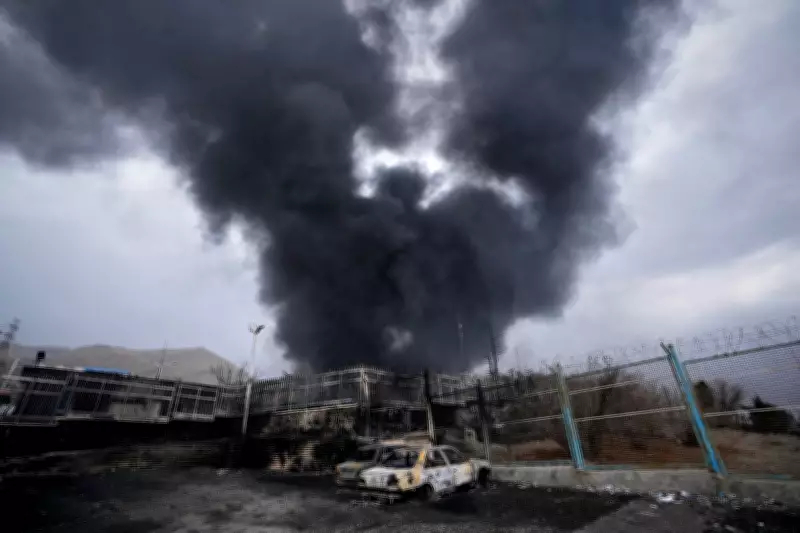
Oil prices have surged dramatically, surpassing $100 per barrel for the first time in more than three and a half years, as escalating tensions in the Middle East disrupt global energy markets. Brent crude reached $101.19 per barrel, while West Texas Intermediate hit $107.06, marking a significant spike that has sent shockwaves through financial systems worldwide.
Conflict in the Middle East Fuels Price Hike
The sharp increase in oil prices is directly linked to the ongoing conflict involving Iran, which is severely impacting oil production and shipping operations across the region. The Strait of Hormuz, a vital maritime passage responsible for transporting approximately 20 per cent of the world's oil, is under heightened threat due to Iranian missile and drone attacks. These hostilities have led to reduced exports from major oil-producing nations, exacerbating supply shortages and driving up costs.
Attacks on Energy Infrastructure Intensify Concerns
Further compounding the crisis, attacks on oil and gas facilities by Iran, Israel, and the United States have intensified, creating additional instability in global supply chains. These incidents have not only hampered production but also raised fears about the reliability of energy infrastructure in conflict zones, prompting market analysts to warn of prolonged disruptions.

Global Economic Implications and Inflation Fears
The surge in oil prices has triggered widespread anxiety in financial markets, with experts cautioning that it could lead to escalating inflation and a potential decline in consumer spending. The United States and broader global economies are particularly vulnerable, as higher energy costs ripple through sectors such as transportation, manufacturing, and retail, potentially stifling economic growth and increasing living expenses for households.
In response to the crisis, some analysts have projected that oil prices could climb as high as $150 per barrel if the conflict persists, a scenario that could severely undermine the global economy. This warning underscores the critical need for diplomatic resolutions and strategic energy policies to mitigate the impact on markets and consumers alike.