Oil Prices Soar in Largest Weekly Gain Since 2020 Amid Escalating Middle East Conflict
Oil prices have rocketed this week, recording their most significant weekly increase in six years, as the intensifying conflict in the Middle East triggers warnings that oil and gas production in the Gulf could cease entirely within days. The sharp rise in commodity prices and concurrent hammering of stock markets have raised alarms about a potential new cost of living crisis, with impacts expected to trickle down to consumers through higher fuel, heating, and food costs.
Benchmark Prices Skyrocket as Production Halts
By Friday evening, benchmark Brent crude prices surged by an additional 10%, reaching $94 per barrel—a level not witnessed in three years. This spike followed reports that Kuwait joined Qatar in initiating a halt to energy production. Qatar's Energy Minister, Saad al-Kaabi, issued a stark warning to the Financial Times, indicating that all oil and gas exporters in the Gulf might stop production within days. He emphasized that the conflict, which plays a pivotal role in global energy supplies and shipping routes, could "bring down the economies of the world."
Economic Fallout and Inflation Concerns
The sharp gains since the US-Israel war with Iran began on Saturday mean oil prices have risen by more than 25% this week, marking the most substantial weekly increase since early 2020 during the height of the Covid-19 pandemic. Markets are bracing for prolonged volatility as the US and Israel continue strikes on Iran, with Tehran authorizing revenge attacks across the region, disrupting the passage of goods through the critical Strait of Hormuz.

Greg Jackson, CEO of Octopus Energy, described energy markets as "in a state of turmoil" following Iran's warnings to ships avoiding the waterway and Qatar's halt in gas production after attacks on its facilities. Comments from US President Donald Trump, who stated there would be no end to the conflict until an "unconditional surrender" of the Iranian regime, have further dashed hopes for de-escalation.
Expert Predictions and Consumer Impact
Kathleen Brooks, research director at XTB, noted, "There is not much to stop oil from hitting $100 per barrel in the near term. Until the oil price stabilises, it's hard to see how stock markets and bond prices can recover." She cautioned about further stock market declines next week if the war continues to escalate.
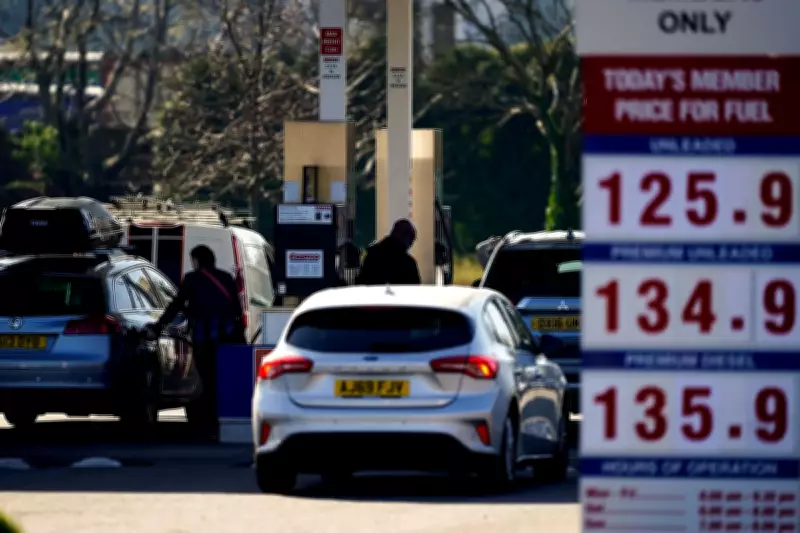
New analysis from the Energy and Climate Intelligence Unit suggests that sustained oil trading at $100 per barrel could increase petrol prices from 135p to 150p per litre. This hike would cost drivers traveling 8,000 miles annually an extra £140. Additionally, UK government borrowing costs have risen sharply this week, with 10-year gilt yields jumping from 4.27% to 4.62%, fueled by fears that soaring fuel and energy bills will hinder further interest rate cuts.
Broader Economic Context
This latest escalation follows a tumultuous year for global economies, including Trump's instigation of tariffs amid prolonged Iran-Israel tensions and Russia's invasion of Ukraine, which previously disrupted commodity prices. The ongoing conflict threatens to exacerbate existing economic challenges, potentially leading to higher inflation and impacting mortgages, savings, and food costs for working people worldwide.