Oil Prices Could Surge to $100 a Barrel Within Days Amid Iran War Crisis
Goldman Sachs has issued a stark warning that oil prices could exceed $100 per barrel in the coming days if disruption through the critical Strait of Hormuz does not ease. This comes as new data reveals the UK is facing a severe gas shortage, with supplies potentially lasting only two days.
Strait of Hormuz Traffic Grinds to a Halt
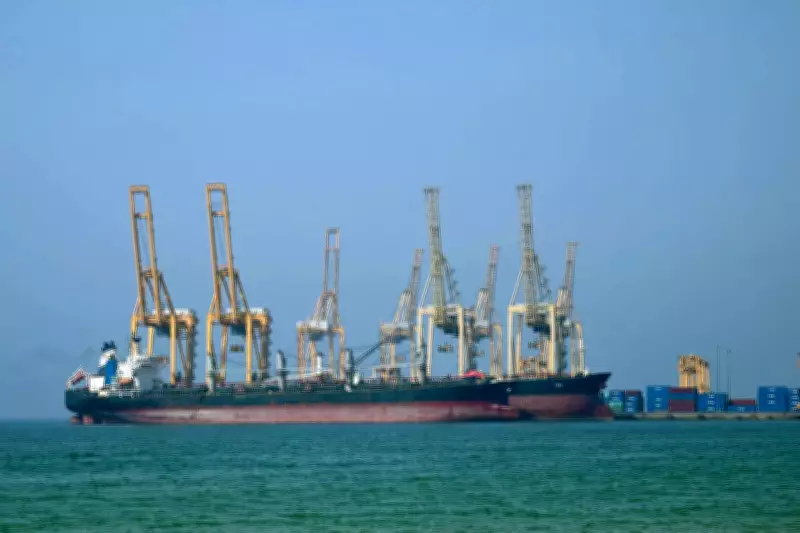
The investment bank estimates that average daily flows through the Strait of Hormuz, a strategic choke point between Iran and Oman, have plummeted by 90 percent. Typically, up to a quarter of global seaborne oil shipments pass through this key route, but traffic has ground to a complete halt due to the ongoing war between the US, Israel, and Iran.
In a note released on Friday and reported by Reuters, Goldman Sachs analysts stated: "We now also think it’s likely that oil prices, especially for refined products, would exceed the 2008 and 2022 peaks, if Strait of Hormuz flows were to remain depressed throughout March."

UK Gas Supplies at Critical Levels
Meanwhile, data published by National Gas indicates that the UK could have as little as two days of gas stored up. The UK is currently paying the highest wholesale gas prices in Europe, according to reports from The Telegraph.
A National Gas spokesperson told the paper that the UK benefits from a "wide range of gas supply sources" that would "provide the flexibility needed to balance supply and demand." However, the soaring oil and gas prices have already pushed up costs for companies, threatening their profit margins and raising concerns among policymakers and investors about a fresh bout of inflation.
Global Economic and Food Security Implications
Young Liu, chairman of Foxconn, the world's largest electronics maker and a key partner to Nvidia, commented on Friday: "If these effects last longer, everyone will start to feel them." A prolonged energy shock could necessitate the "recession playbook," as warned by Morgan Stanley, while Goldman Sachs analysts noted that a temporary surge in oil prices to $100 per barrel could slow global economic growth by 0.4 percentage points.
Experts have also cautioned that the effective closure of the Strait of Hormuz could trigger a global food crisis. Fertiliser production is heavily dependent on products that pass through the Strait, making this disruption a significant threat to agricultural supplies worldwide.
Escalating Conflict in the Middle East
The war in the Middle East continues to escalate, with Israel striking oil storage facilities in Tehran on Sunday. Israeli Prime Minister Benjamin Netanyahu promised "many surprises" for the next phase of the conflict. The attack on oil storage sites in Tehran sent up pillars of fire, marking what appears to be the first time a civil industrial facility has been targeted in the war.
In a related development, Bahraini authorities reported that Iran hit a desalination plant. Earlier on Sunday, Iran’s Foreign Minister Abbas Araghchi claimed that a US airstrike damaged an Iranian desalination plant on Qeshm Island, warning that "the US set this precedent, not Iran." This plant is crucial for water supplies to the civilian population, highlighting the broader humanitarian impacts of the conflict.
As the situation unfolds, the combination of halted oil trade, dwindling gas reserves, and escalating military actions poses severe risks to global energy markets, economic stability, and food security, with immediate repercussions felt from the UK to international financial hubs.