Oil Prices Soar Above $100 as Strait of Hormuz Standstill Sparks Supply Fears
In a dramatic turn of events, the cost of a barrel of oil has leaped above $100 for the first time in four years, raising immediate concerns over potential price hikes at petrol pumps across the globe. This sharp increase is directly linked to a critical standstill in the Strait of Hormuz, a vital maritime passage for global oil shipments, which has been brought to a halt amid escalating tensions in the Middle East.
Middle East Conflict Disrupts Key Shipping Lane
The Strait of Hormuz, a narrow waterway that typically facilitates the transport of about a fifth of the world's oil supply, is now at a standstill due to the ongoing conflict in the region. Since the war erupted a week ago, traffic through this crucial passage has all but ceased, creating major uncertainty over short-term oil supply. This disruption has been acutely felt in global markets, with the price of a barrel of Brent crude surging by almost 24 percent this morning, marking the first significant impact since the conflict began.
Iran's Revolutionary Guard Issues Threat to Western Tankers
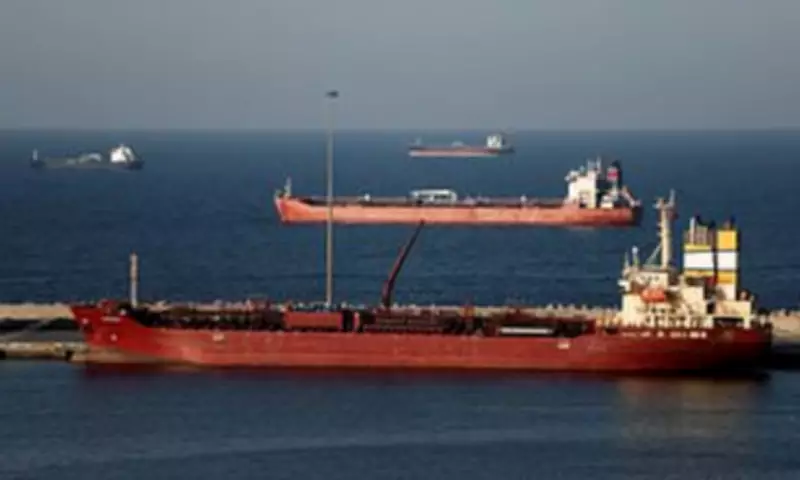
Adding to the volatility, Iran's Revolutionary Guard has issued a stark threat to 'set ablaze' any Western tanker attempting to navigate the Strait of Hormuz. This aggressive stance has led to hundreds of ships laden with oil amassing outside the strait, unable to proceed safely. The accumulation of these vessels underscores the severe logistical challenges and heightened risks facing the oil industry, as companies grapple with the prospect of prolonged supply chain interruptions.

Implications for Global Oil Markets and Consumers
The standstill in the Strait of Hormuz not only threatens to drive up oil prices further but also poses broader risks to global energy stability. With such a significant portion of the world's oil supply typically reliant on this route, the ongoing disruption could lead to:
- Increased petrol pump prices as supply constraints tighten.
- Heightened market volatility as traders react to geopolitical uncertainties.
- Potential economic repercussions for countries dependent on oil imports.
As oil tankers remain anchored outside the Strait of Hormuz, the situation remains fluid, with industry experts closely monitoring developments for any signs of resolution or escalation. The combination of geopolitical strife and supply chain bottlenecks highlights the fragile nature of global oil markets in times of conflict.