

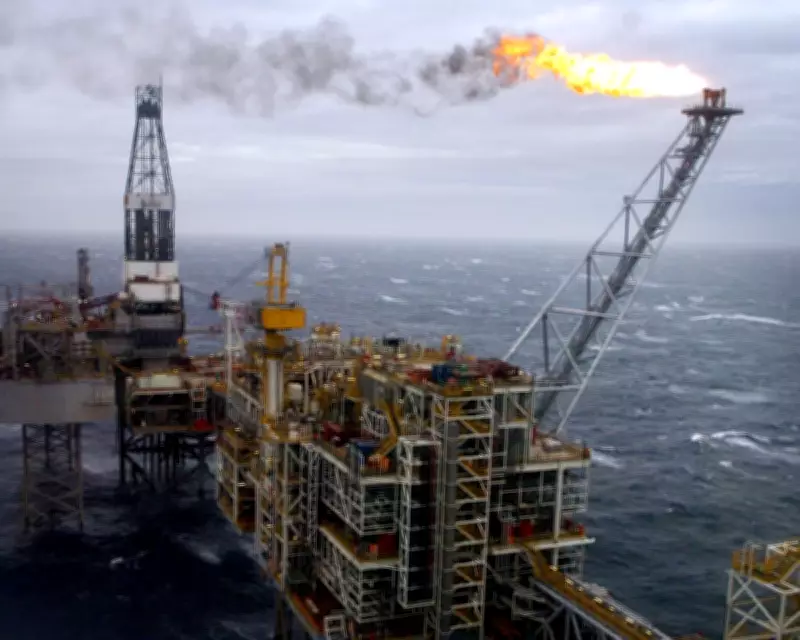
Ministers Assert North Sea Drilling Heightens UK's Fossil Fuel Market Vulnerabilities
Government officials have cautioned that additional drilling in the North Sea would exacerbate the United Kingdom's exposure to unpredictable fossil fuel markets. This warning emerges amidst opposition calls to breach the manifesto commitment against new oil and gas licences, highlighting a deepening political divide over energy strategy.
Energy Minister Highlights Lessons from Global Conflicts
Energy Minister Michael Shanks emphasised that the UK is "learning the right lessons from this conflict so that we’re not exposed to fossil fuels in the same way again." He pointed out that households have repeatedly borne the brunt of gas price fluctuations, underscoring the need for a shift towards more stable energy sources.
Conservative Opposition Pushes for Policy Reversal
The Conservative party plans to utilise an opposition day debate to advocate for scrapping the windfall tax on oil and gas, lifting the ban on new licences, and approving the Rosebank and Jackdaw fields. They argue that such measures are crucial for enhancing Britain's energy security and stimulating economic activity in deprived regions.

Labour's Stance on Clean Power and Energy Sovereignty
Energy Secretary Ed Miliband articulated at a Parliamentary Labour Party meeting that dependence on fossil fuels renders the UK a "price taker not price maker." He asserted that only through accelerated development of clean, homegrown power can the nation achieve true energy sovereignty and shield consumers from future price shocks.
Miliband criticised proposals to abolish the windfall tax, noting it has generated £12 billion since the onset of the Russia-Ukraine war. "There can be no better example of who they stand up for and it’s not the British people," he remarked, targeting both Reform and the Conservatives.
Internal Labour Divisions Surface
Labour MP Henry Tufnell penned an article in the Sun advocating for a policy shift, suggesting that North Sea drilling and removing carbon taxes could "kickstart economic growth" and address unemployment in impoverished areas. However, fellow Labour MPs reportedly dismissed his stance during the PLP meeting, with one noting "He was shot down by others who said it’s a risk to go backwards."
Government Announces Anti-Profiteering Measures
Chancellor Rachel Reeves is set to outline plans for a new anti-profiteering framework aimed at curbing price gouging, particularly by petrol retailers responding to geopolitical tensions like the US-Iran conflict. Miliband reinforced this commitment, stating "If the petrol retailers don’t like it then that’s tough because we are on the side of the British people."
Nuclear Energy and Legislative Advances
Reeves is also expected to confirm the implementation of the Fingleton review recommendations through legislation this year, facilitating faster nuclear power construction. Additionally, the government is exploring indemnities for critical energy projects to reduce legal delays, supported by a £120 billion public investment initiative including Sizewell C and small modular reactors in north Wales.
A government spokesperson affirmed, "We are building the homegrown energy that will protect working people’s bills for generations to come. That is the right economic plan and one where we back the builders not the blockers."






