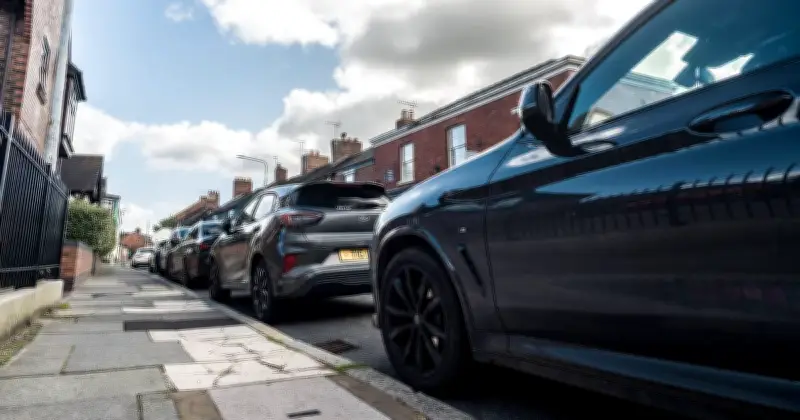
From October 21, 2026, new planning rules in England will make it easier for eligible households without driveways to install home electric vehicle (EV) charging points. The changes mean residents without off-street parking can run cables under the pavement to connect their vehicles to chargers without the need for special planning permission, subject to council authorisation.
New Planning Rules for On-Street Charging
The new legislation allows homeowners and renters without off-street parking to install approved pavement-embedded cable channels, known as gullies, to connect a home energy supply to a car parked on the street. It also scraps the requirement for a standard local planning application for qualifying cross-pavement systems and associated wall-mounted domestic charge points, saving application fees.
However, the installation of a cross-pavement channel still requires authorisation or a scheme managed by the local highway authority. Conservation areas are excluded and will still require full planning permission.
Growing Interest in Home Upgrades
The rule change comes as interest in home energy upgrades surges. Google searches for "electric vehicle" charging points increased by 658% in the last 12 months. Searches for smart heating controls surged by 250% in the past year, while searches for triple glazing (144%) and heat pumps (105%) have more than doubled, according to property finance experts at Together.
Together's new research revealed that more than a third (34%) of Brits wanted energy-saving home improvements but couldn't afford them. The study found that half of Brits (50%) say cost is the biggest obstacle to making their home more energy efficient. While 23% are now more likely to invest in upgrades, nearly two-thirds (63%) say they would be more likely to improve their home's energy efficiency if affordable finance were available.
Solar Panels Lead Desirable Upgrades
Almost three in five (57%) say rising energy bills and the cost of living have made them more likely to improve their home's energy efficiency. The research also found that homeowners see value in improvements beyond just their energy bills.
Solar panels have become Britain's most desirable home upgrade, with homeowners backing them over heat pumps and EV chargers to increase their property's value, followed by triple glazing (34%) and loft insulation (25%). Almost half (45%) of Brits say low energy bills are one of the most important features when buying their next home, second only to having a garden or outdoor space (48%).
Long-Term View on Energy Efficiency
Ryan Etchells, chief commercial officer at Together, said: "Homeowners are increasingly viewing energy efficiency as an investment in their property, rather than simply a way to reduce household bills."
"It's telling that solar panels are now seen as adding more value than any other upgrade. Buyers are placing greater importance on the long-term cost of running a home, and features that reduce energy bills are becoming increasingly attractive."
"While many homeowners want to make these improvements, the upfront cost remains a significant hurdle. Appropriate finance can help spread the investment and make it more accessible for households to invest in upgrades that not only reduce energy costs but also improve the long-term value of their property."