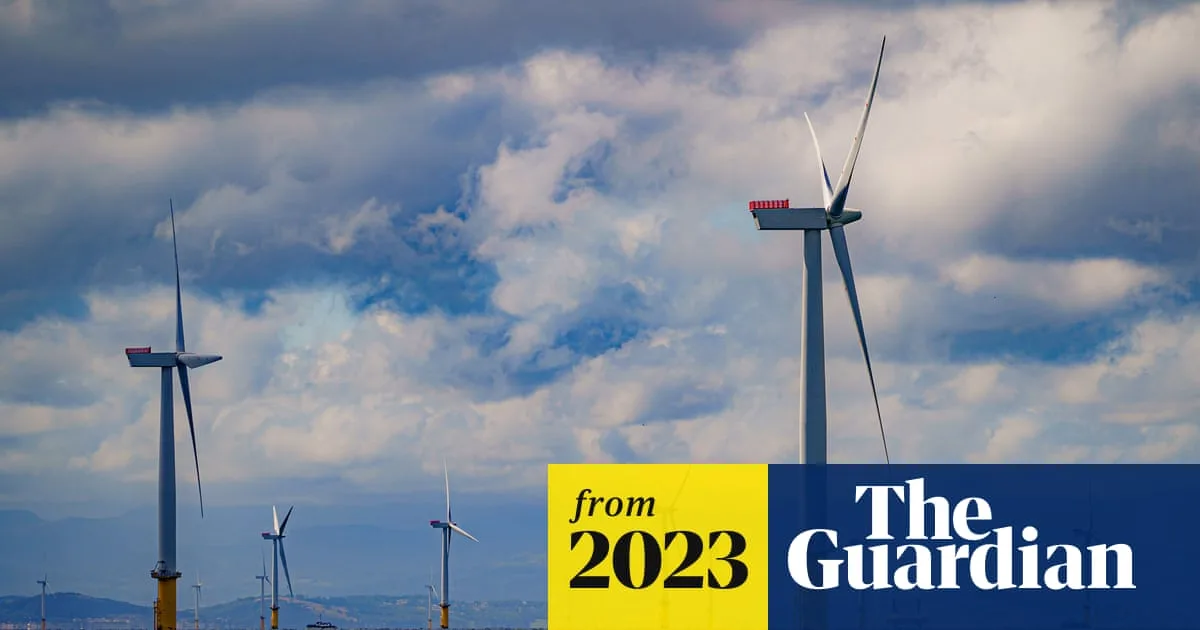
MPs are set to investigate the Crown Estate's windfall profits from offshore wind energy leases, which have generated approximately £1bn annually. The inquiry comes after King Charles requested that the extra funds be redirected to the wider public good rather than increasing the monarchy's official funding.
The Crown Estate announced six new offshore wind lease agreements on Thursday, which have the potential to power over 7 million homes. Three projects are located off the coast of north Wales, Cumbria, and Lancashire, while three are in the North Sea off Yorkshire and Lincolnshire. Successful bidders include Germany's RWE Renewables and a consortium involving BP.
Under the sovereign grant system, the monarch receives 25% of the Crown Estate's annual surplus, which currently stands at £86.3m. However, King Charles has asked for an 'appropriate reduction' in the percentage used for the sovereign grant, citing the cost of living crisis. The keeper of the privy purse, Sir Michael Stevens, has written to Prime Minister Rishi Sunak and Chancellor Jeremy Hunt to request the change.
The Crown Estate's profits rose by £43.4m to £312.7m in the year to March, with the value of its seabed portfolio swelling to £5bn. The estate also owns substantial property in central London, including parts of St James's and Regent Street, as well as farmland and offices across the UK. The total value of its properties is estimated at £15.6bn.
MPs will scrutinise the financial arrangements, which were established under a 2004 act of parliament that granted the monarch rights to collect royalties from wind and wave power. This contrasts with oil and gas royalties, which are set by the government. The inquiry aims to assess whether the current system adequately serves the public interest.