

Global concerns over potential fuel shortages have prompted the International Energy Agency to issue urgent advice to motorists worldwide, but Britain's Energy Minister has firmly rejected the need for any change in driving habits.
International Agency Calls for Conservation Measures
The International Energy Agency has advised drivers across the globe to reduce their highway speeds, share rides whenever possible, and work from home to decrease petrol and diesel consumption. This guidance comes as the ongoing conflict in the Middle East continues to disrupt energy markets and threaten fuel supplies.
Minister's Firm Rejection of Changing Habits
Energy Minister Michael Shanks has responded directly to these international suggestions, insisting British drivers should continue their normal routines without alteration. Speaking to Times Radio, the Labour MP stated unequivocally: "They should do everything as absolutely normal because there is no shortage of fuel anywhere in the country at the moment."

Mr Shanks emphasized his personal involvement in monitoring the situation, adding: "We monitor this every single day, I look at the numbers personally. There's no issue at all with that." The minister further reinforced his position by noting that both the RAC and AA motoring organizations support maintaining normal driving patterns.
Middle East Tensions Disrupt Oil Flow
The International Energy Agency's conservation advice follows Tehran's blockade of the Strait of Hormuz, a critical shipping route that normally carries substantial oil exports from the Middle East. This strategic blockade has raised legitimate concerns about potential fuel shortages developing in various global markets.
The energy crisis stems from the continuing US-Israeli conflict with Iran, which has created significant volatility in international oil markets. While oil prices experienced a temporary decline following suggestions of potential peace talks, they quickly rebounded as Asian markets opened, with Brent Crude surpassing 100 US dollars per barrel.
Fuel Price Increases Despite Ministerial Assurance
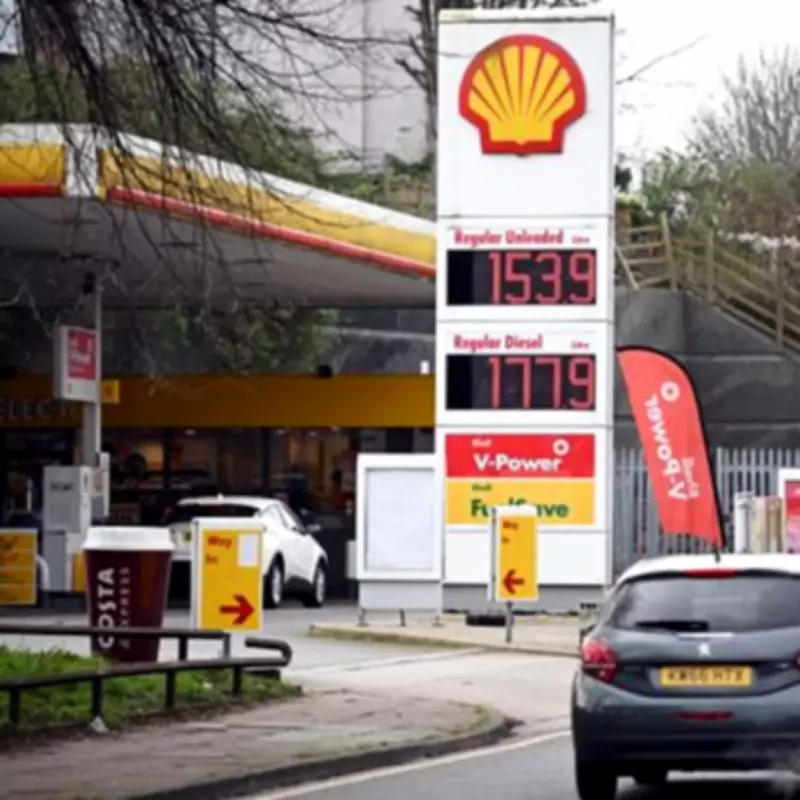
Despite Minister Shanks' assurances about fuel availability, British motorists have faced steadily increasing prices at the pumps in recent weeks. The average cost has risen to approximately 147p per litre for unleaded petrol and between 171-173p per litre for diesel, with many drivers reporting daily price increases.
The White House has described diplomatic discussions with Iran as "fluid" following initial claims about potential negotiations, adding further uncertainty to the international energy landscape. This volatility contrasts sharply with the minister's confident assessment of Britain's fuel security.
Memories of Previous Fuel Crisis
The current situation inevitably recalls the domestic fuel crisis that developed during the 2021 pandemic, when reports of fuel tanker driver shortages sparked widespread panic buying across parts of the United Kingdom. Long queues formed outside petrol stations as drivers rushed to fill their tanks amid supply concerns.
When questioned specifically about whether drivers should reduce their speeds in response to the International Energy Agency's recommendations, Minister Shanks remained adamant: "Look genuinely, people shouldn't change their behaviour or their habits in the slightest."
The minister's position creates a notable divergence between Britain's official stance and the International Energy Agency's global conservation message, highlighting different assessments of how the Middle East conflict might impact fuel supplies in various national contexts.






