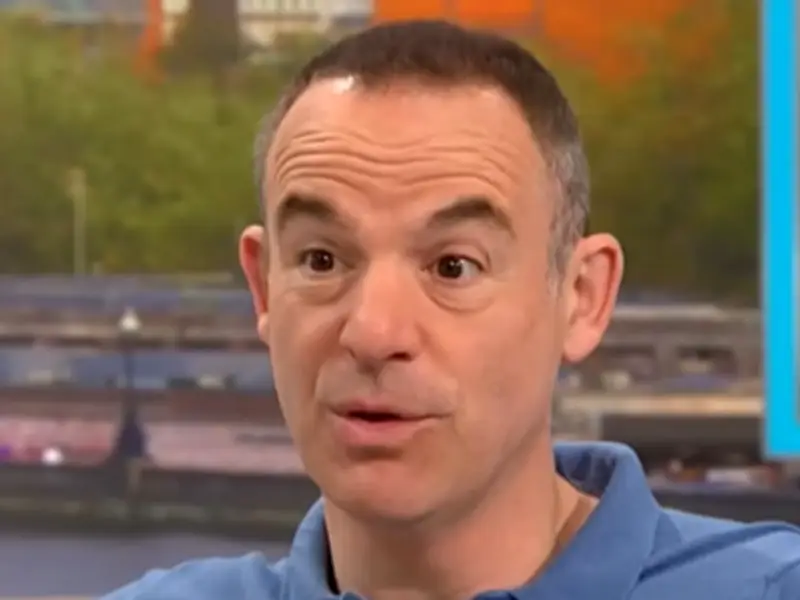
Money-saving expert Martin Lewis has urged British households to lock in energy tariffs immediately after wholesale gas prices surged by up to 16% following the collapse of the US-Iran ceasefire. In a social media post on 8 July, Lewis warned that new energy fixes would likely become more expensive in the coming days and advised consumers on standard variable tariffs to switch to a fixed deal as soon as possible.
Wholesale Gas Prices Spike After Trump Declares Ceasefire 'Over'
The wholesale price of natural gas shot up after former US President Donald Trump declared the ceasefire between the US and Iran was 'over'. The two nations exchanged strikes overnight, with the US targeting Iranian military infrastructure and Iran launching attacks on military sites in Bahrain and Kuwait. Energy costs had been gradually declining after a memorandum of understanding was signed between the two countries, but the renewed violence threatens to send them soaring once more.
Lewis stated: "Wholesale gas prices jumping on the back of Iran and USA trading fire. That means new energy fixes will likely get more expensive in coming days. So if you're on the price cap & haven't fixed yet, do it ASAP. Typical savings 16%." He added in a follow-up message: "This really is a do it right now. If you are in your firm's standard tariff (ie not fix or special deal) as most are. Follow the link as there's a high probability the cost of fixing is about to jump."
Strait of Hormuz at Risk as Conflict Escalates
A renewed conflict could engulf the broader Middle East and would likely once again halt energy shipments through the Strait of Hormuz, a vital chokepoint for global oil and gas supplies. When asked about the current state of the ceasefire, Trump said: "For me, I think it's over." He suggested US representatives could press ahead with negotiations but expressed scepticism: "They can talk, but I think they're wasting their time."
Negotiations towards a final agreement had been scheduled to commence following the multi-day funeral of Iran's former supreme leader Ayatollah Ali Khamenei, who was killed on February 28 in the opening moments of the conflict. The funeral, concluding on Thursday, was intended to mark a period of reduced tensions. The discussions were expected to centre on the most challenging issues, including the full reopening of the strait and scaling back Tehran's contested nuclear programme.
Iran Vows No Surrender
Iran's parliament speaker Mohammad Bagher Qalibaf responded defiantly on social media: "The era of bullying and extortion is over. It leads nowhere. We don't fold." The statement underscores the fragility of any diplomatic resolution and the potential for further energy market volatility.