Martin Lewis has confirmed that energy prices are already becoming more affordable following a landmark agreement between the United States and Iran. The money-saving expert revealed that fixed energy deals are now around five per cent cheaper than the April price cap, offering some rare good news for hard-pressed British households.
US-Iran Deal Sparks Energy Price Drop
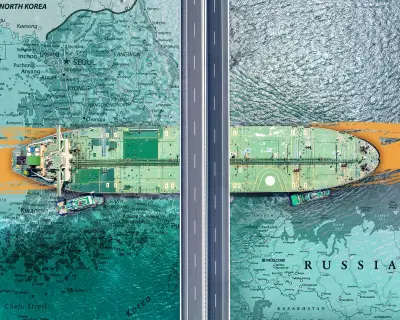
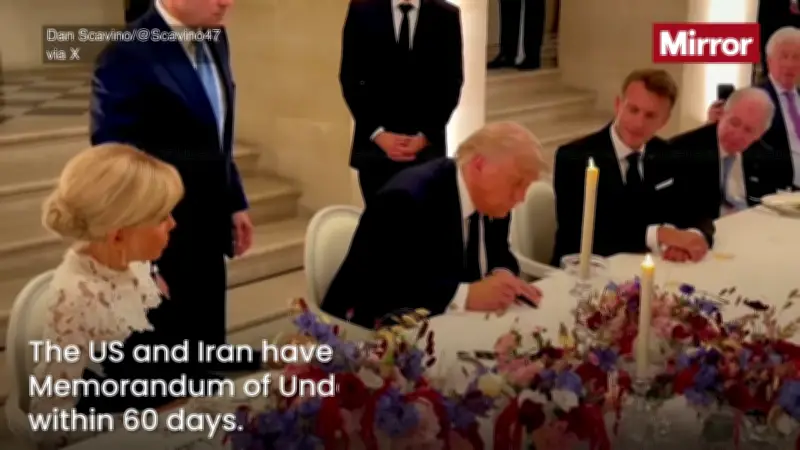
The development follows the signing of a memorandum of understanding between US President Donald Trump and Iranian President Masoud Pezeshkian on Wednesday. The agreement aims to cease hostilities and reopen the strategically vital Strait of Hormuz, which has been a flashpoint in the region.
The deal has already had a significant impact on global energy markets. Brent crude oil has fallen by approximately $7 per barrel, while UK natural gas prices have dropped by around 14 per cent. This decline has enabled energy suppliers to offer more competitive fixed tariffs.
Mr Lewis stated: "Energy fixes have started to get cheaper, now 5% below April price cap." However, he cautioned that consumers should not expect a substantial reduction in the next price cap, which will run from October to December.
Price Cap Outlook
The next energy price cap is expected to be announced on August 26 by the energy regulator Ofgem. Approximately 60 per cent of households in England, Scotland, and Wales remain on a standard variable tariff, meaning their costs are governed by the price cap.
The current price cap is set to increase on July 1 by 13 per cent. This means a typical household with average energy consumption paying by direct debit will face annual charges of £1,862, a rise of £221 compared to the previous cap. Mr Lewis warned that the October cap could climb even higher, despite the cessation of hostilities.
He explained: "The US and Iran signing a framework deal has pushed natural gas prices down. These wholesale prices are a key driver of UK gas and electricity bills. As the six-month graph shows, though, prices still have a long way to fall before returning to pre-conflict levels."
He added: "The good news is that this could lead to slightly cheaper fixed tariffs being launched in the coming days. However, without substantial further drops the October price cap still looks likely to be significantly higher than it is today."
When asked why he believed the price cap would increase from October, Mr Lewis responded: "It's the same reason the energy Price Cap HASN'T yet risen due to the Middle East crisis. It is time-lagged. So slow to rise, slow to fall."