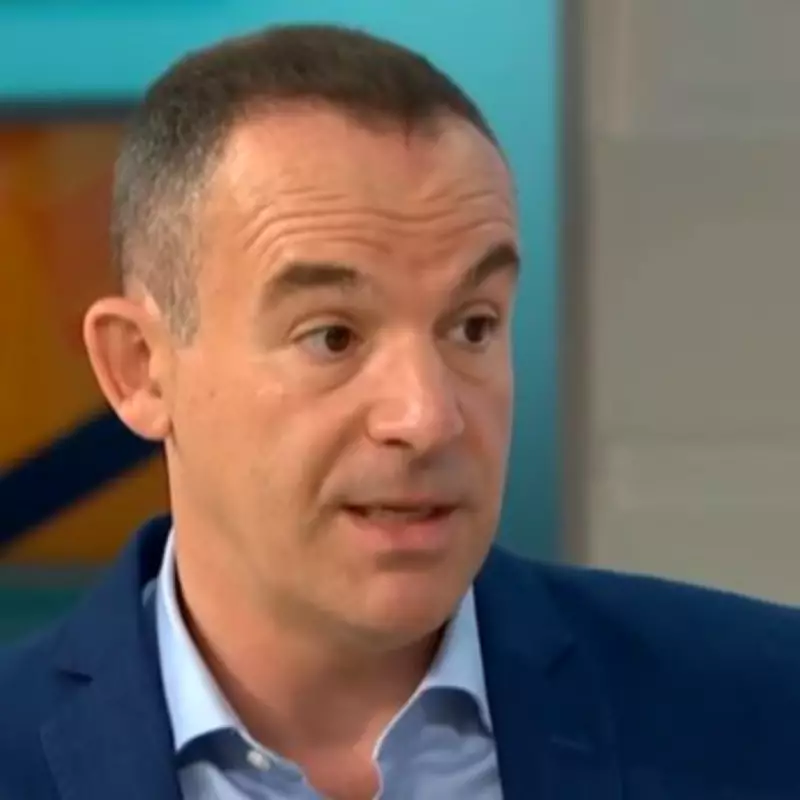
Money saving expert Martin Lewis has issued an urgent call to action for households across the UK, urging them to make a simple yet potentially significant change to their energy arrangements before April 1. During a recent appearance on ITV's This Morning, Lewis explained that switching to a fixed tariff now could offer substantial financial protection and cheaper bills for many consumers.
The Critical Window for Energy Savings
Lewis emphasised that timing is absolutely crucial because the energy price cap is scheduled to change again on April 1. According to the latest announcement from Ofgem, the energy regulator, the cap will fall by approximately 7% from the beginning of next month. For a typical household paying by Direct Debit, this means the new annual cap will drop to about £1,641, representing a significant reduction from the £1,758 cap that was in place between January and March of this year.
Understanding Fixed Tariff Opportunities
The financial journalist explained that locking in a fixed deal could provide valuable protection if energy prices rise later in the year. "For those who are risk averse," Lewis stated, "fixing your energy rate means your bills cannot go up, regardless of what happens in the volatile wholesale energy markets." He added that this approach could be "the safe thing to do" for consumers concerned about potential future price increases.
However, Lewis provided important context about the current market situation. He revealed that only a small number of fixed deals are currently cheaper than the impending price cap. The cheapest fixes available to most households are now around 7% cheaper than the cap, though he noted that just two weeks earlier, similar deals were approximately 14% cheaper, indicating how quickly the energy market can change.
The Hidden Deals Problem
One of the most important warnings from Lewis concerns the visibility of energy deals on comparison websites. According to his research, many price comparison platforms deliberately hide tariffs that do not pay them commission. This practice means that some of the very cheapest deals available in the market may not appear in initial search results, potentially costing consumers significant savings.
To combat this issue, Lewis advised households to use comparison sites that explicitly show the "whole market" or to ensure they tick the box that says "show all tariffs" when conducting their searches. "You might find a fix that's cheaper than the price cap," he explained in a clip shared on TikTok, highlighting how proactive searching could yield better results.
Navigating Market Uncertainty
Lewis acknowledged the inherent unpredictability of energy markets, noting that if wholesale prices drop quickly in the coming months, even cheaper fixed deals could become available later. This creates a dilemma for consumers trying to balance certainty against potential future savings.
Research from Ofgem confirms that millions of UK households remain on standard variable tariffs that are directly linked to the price cap. These customers automatically see their bills change whenever the regulator updates the cap every three months, leaving them exposed to market fluctuations.
"The key is deciding how much risk you are comfortable with," Lewis summarised. For those seeking certainty over their household energy costs and wanting to avoid unexpected bill increases, he believes switching to a cheaper fixed tariff before April could provide valuable peace of mind and financial stability.
The energy expert's advice comes at a critical juncture, with the April price cap change representing both an opportunity for savings and a potential pitfall for those who fail to act strategically. Households now face the decision of whether to embrace the security of fixed pricing or gamble on potential further reductions in the variable rate market.