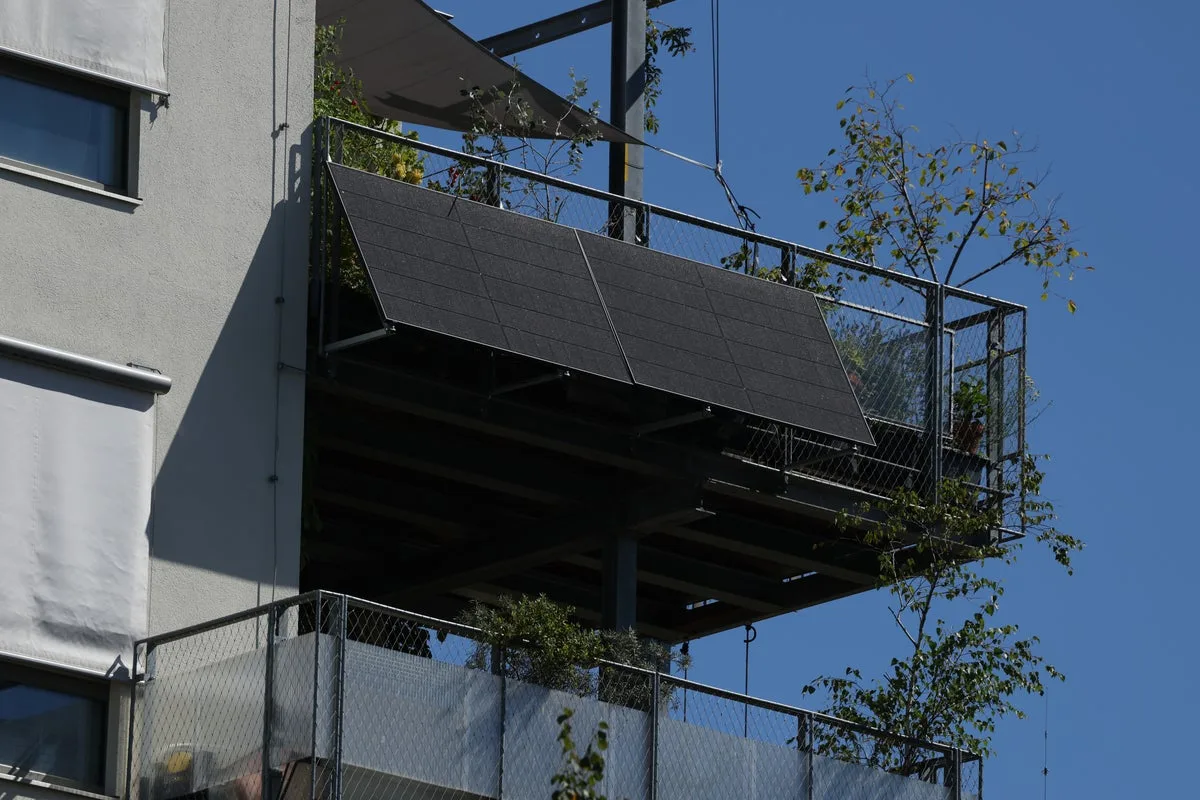
Lidl is set to sell plug-in solar panels for around £400, as the UK government moves to make the technology more accessible. The panels, also known as balcony solar kits, are designed to generate a modest amount of electricity without the cost and disruption of a full rooftop installation. Retailers including Lidl and Iceland, along with solar brands like EcoFlow, are working with ministers to bring approved kits to the UK market.
Plug-in solar panels consist of one or more panels and a microinverter that converts generated electricity into a form usable by home appliances. They are intended for balconies, patios, garden walls, sheds, or other sunny outdoor spaces, making them particularly appealing to renters, flat owners, and households without suitable roofs. The electricity generated offsets the power drawn from the grid, helping to run everyday devices like fridges, wifi routers, laptops, TVs, and washing machines during daylight hours.
While popular in Germany, the UK has been slower to adopt plug-in solar due to wiring and grid-connection rules. The government now aims to remove barriers and ensure approved products are certified for the UK market. Consumers are advised to wait for UK-approved kits rather than buying imported ones designed for different electrical standards. Safe connection methods will depend on the product and final UK standards, so following manufacturer instructions is crucial.

Government estimates suggest households could save between £70 and £110 annually on energy bills, though actual savings depend on factors like sunlight exposure, panel positioning, and daytime electricity usage. A kit costing £400-£500 could have a payback period of four to seven years under favourable conditions, after which it may continue reducing bills for several more years. However, plug-in panels generate far less electricity than rooftop systems and will not take a home off-grid.