Global oil markets have been thrust into turmoil as escalating military aggression in the Middle East drives the price of crude oil above $100 a barrel for the first time since 2022. This significant milestone was reached as the new trading week commenced in Asia Pacific markets, with the international benchmark Brent crude climbing sharply by 12.2% to reach $104.05 per barrel.
Precautionary Measures and Market Disruption
The dramatic price surge follows a weekend of intensifying conflict, during which Kuwait's national oil company announced a 'precautionary' cut to its crude oil production. This decision comes as the ongoing regional strife continues to wipe an estimated 20 million barrels of oil from the global market each day, creating severe supply constraints.
Oil prices have now returned to triple-digit territory after recording their highest weekly gains since the COVID-19 pandemic six years ago. The market movement included a remarkable $10 increase in the price of US crude on Friday alone, highlighting the volatility gripping energy markets.

Expert Analysis and Warning Signs
According to Clayton Seigle, a senior fellow at the Center for Strategic and International Studies, "The grace period given by the market to the Trump administration expired at the end of last week. A deficit of 20 million barrels per day is hitting global oil market balances with no sign of relief."
Seigle further noted that while observers initially believed President Trump's disregard for painful oil prices might be a bluff, "it's now clear that it isn't." The expert emphasized that exports of oil and gas from the Middle East would not resume until shipowners, operators, and insurers feel sufficiently safe from the threat environment posed by Iranian military assets.
Regional Production Under Threat
The situation has been compounded by warnings from Qatar's energy minister, who predicted that if the war continues unabated, all Gulf energy exporters would be forced to shut down production within weeks. Under such circumstances, oil could potentially rise to $150 per barrel, creating unprecedented pressure on global economies.
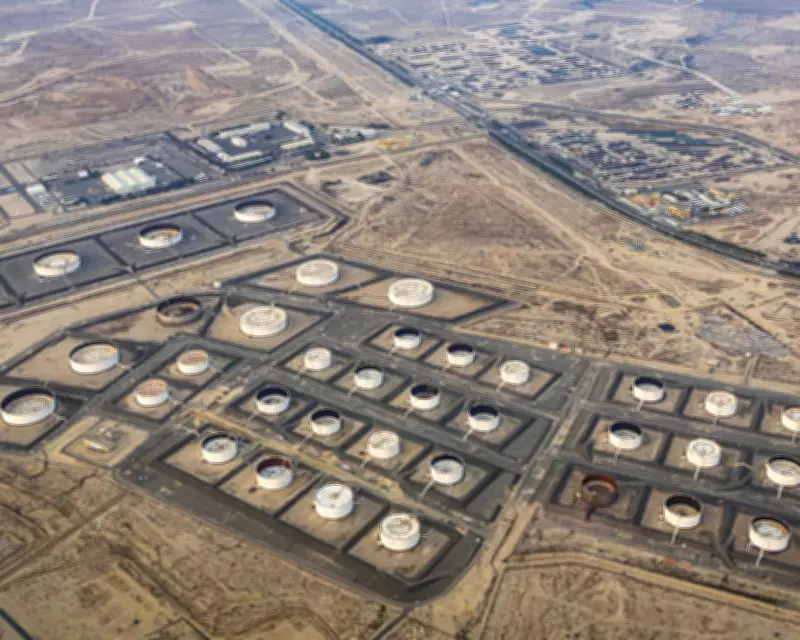
Critical infrastructure is already feeling the strain, with oil storage facilities in Saudi Arabia, the United Arab Emirates, and Kuwait reaching their operational limits. This storage capacity crisis means major oilfields may need to be shut down if crude cannot be exported via the Strait of Hormuz to international markets.
Strategic Chokepoint Paralyzed
The Strait of Hormuz, which carries approximately one-fifth of the world's oil and liquefied natural gas, has become effectively paralyzed. Hundreds of tankers attempting to transit this vital trade route have come to a complete halt after Iran's Revolutionary Guards threatened to "set ablaze" any vessel using the passage.
This strategic blockade has largely halted Iran's own oil and gas exports through the strait, creating a compounding effect on global energy supplies. The disruption represents one of the most significant threats to international energy security in recent years.
Government Responses and Limitations
The White House has suggested several countermeasures to address the crisis, including rerouting Saudi crude via the Red Sea, drawing on emergency US crude reserves, and extending government-backed insurance to shipping companies. However, analysts warn these measures would be insufficient to offset the loss of 20 million barrels of oil daily.
Overall, oil prices have rocketed by approximately two-thirds from just above $60 a barrel at the start of the year. The initial price increases in January and February accelerated dramatically after the US-Israeli attack on Iran just over a week ago, which directly disrupted this vital Middle Eastern trade route.
The current market conditions represent a perfect storm of geopolitical tension, production cuts, and logistical paralysis that continues to reshape global energy economics with potentially far-reaching consequences for consumers and industries worldwide.