

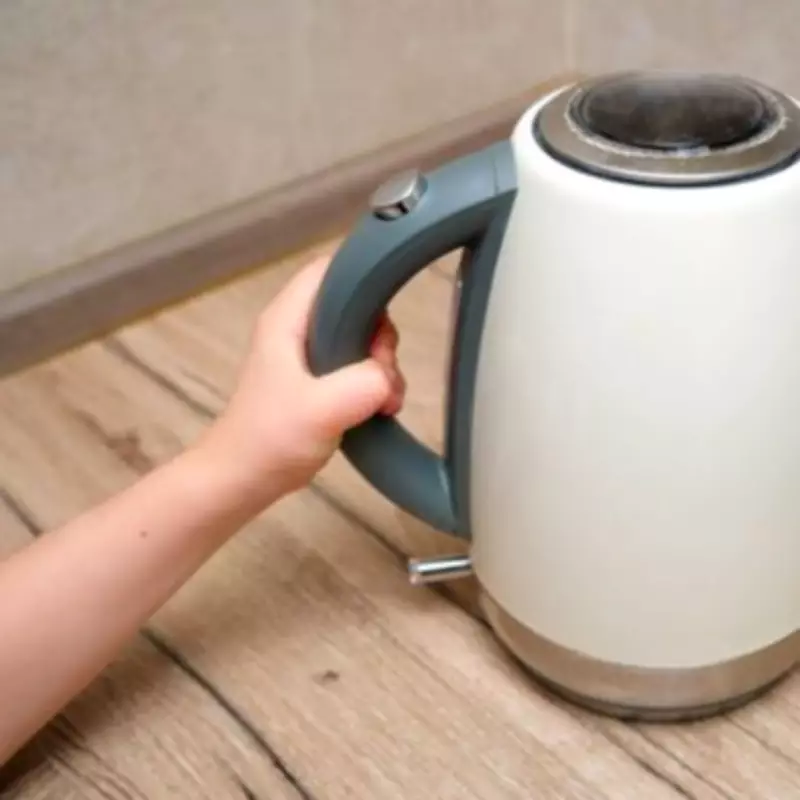
Despite Ofgem's recent reduction of the energy price cap, many households across the UK continue to face substantial energy expenses. As families seek practical methods to reduce costs without sacrificing daily comforts, an energy expert has highlighted that minor adjustments to routine appliance use could yield significant financial benefits.
The High Cost of Common Kettle Habits
Justin Nielsen, an energy specialist at Wolf River Electric, asserts that altering just two everyday habits could potentially save households more than £170 annually on their energy bills. The primary focus is on the use of kettles and tumble dryers, both of which are prevalent in British homes.
Justin explained, "People often believe that meaningful savings require drastic lifestyle changes. However, when you analyse the energy consumption of common appliances, it becomes clear that some seemingly normal habits are surprisingly expensive over the course of a year."

Boiling More Water Than Necessary
Making tea is a cherished daily ritual for many, but it frequently involves boiling the kettle multiple times a day without considering the volume of water used. A standard UK kettle typically operates at around 3kW, meaning each boil consumes a noticeable amount of electricity rapidly.
With current electricity prices, a full boil costs approximately 3 to 4 pence. While this might appear negligible individually, many individuals waste energy by consistently boiling more water than needed.
Justin noted, "Overfilling the kettle by even a mug or two is incredibly common. If you waste about 250ml of water per boil and boil the kettle five times daily, that wasted energy alone can accumulate to roughly £35 to £40 annually."
Furthermore, when families reboil water that has already been heated and cooled, the yearly expense from kettle usage can easily reach £60 to £70. The solution is simple: boil only the amount of water required. Most kettles include measurement markings for this exact purpose. Additionally, regularly descaling your kettle helps maintain its efficiency, ensuring it uses energy optimally.
Tumble Dryer Usage Drains Household Budgets
Another habit that significantly impacts energy bills is excessive tumble dryer use, particularly during the colder winter months. Justin emphasised that tumble dryers are among the most power-intensive appliances in any home.
Calculating the Financial Impact
A single tumble dryer cycle can cost between 56 pence and £1.12 at current energy rates. Justin added, "If a household runs five dryer loads per week, that can amount to anywhere from £145 to nearly £300 per year."
Many people operate the dryer for half-loads or for items that could easily air-dry. Eliminating just two unnecessary dryer cycles each week could save around £100 annually on its own. In some instances, completely abandoning the tumble dryer is the most prudent choice. Families are advised to select a higher spin setting on their washing machine to help garments dry more quickly when air-drying.
Practical Steps for Substantial Savings
By combining these adjustments—boiling only the necessary amount of water in kettles and reducing tumble dryer usage—households can achieve considerable savings. Justin's advice underscores that small, consistent changes in daily routines can lead to a reduction of over £170 in yearly energy expenses.
As energy prices remain a concern for many, adopting these efficient practices not only benefits personal finances but also contributes to broader energy conservation efforts. Households are encouraged to review their appliance habits and implement these straightforward strategies to mitigate the impact of high energy costs.






