During a heatwave, keeping your home cool without air conditioning is possible with a few simple strategies. Opening windows overnight or early in the morning allows cooler air in, but they should be closed as outside temperatures rise to prevent hot air from entering. Creating a through breeze by opening windows on opposite sides of the house can also help.
Closing curtains or blinds acts as a barrier against thermal radiation, which can significantly raise indoor temperatures. External blinds or shutters are even more effective; research by the British Blind & Shutter Association found that rooms with external blinds reached a maximum of 28°C, compared to 47.5°C in unshaded rooms.
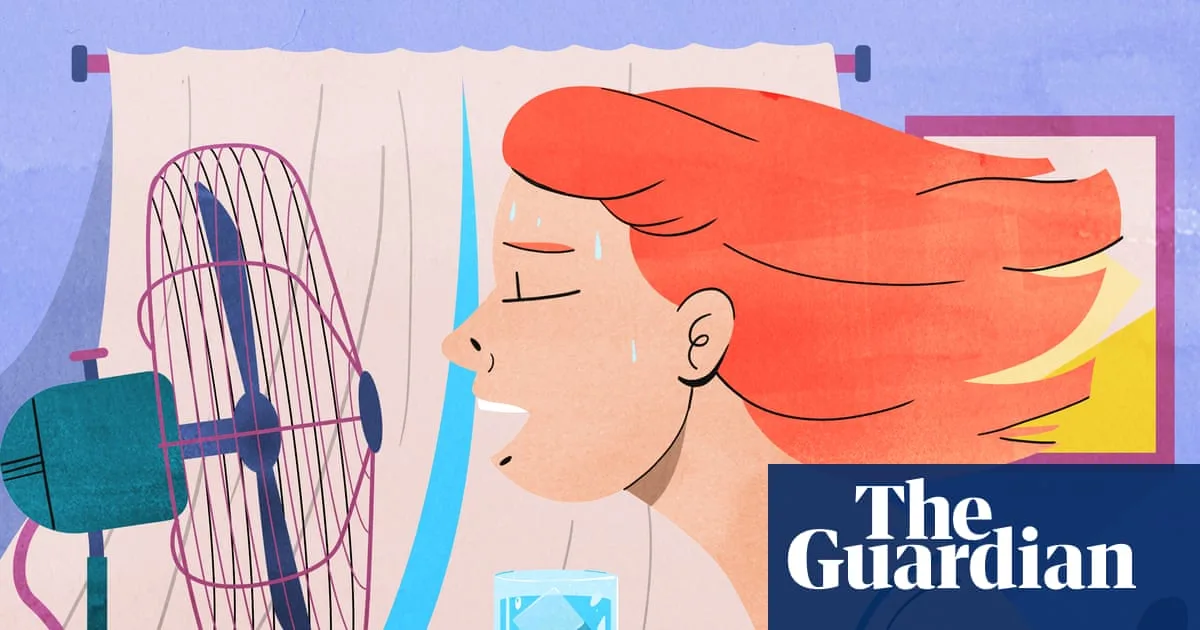
Electric fans can help cool you if the air temperature is below 35°C, though they do not cool the room itself. The Guardian recommends the AirCraft Lume pedestal fan (£119) as the best overall, and the Devola fan (£49.99) as the best budget option. For a more effective cooling solution, evaporative coolers like the Swan 5 Litre Nordic Air Cooler (£69.99) can reduce the temperature of the breeze by a few degrees, though they work best in dry conditions.
Dehumidifiers can also make heat more bearable by reducing humidity, which impairs the body's ability to cool itself through sweating. However, many dehumidifiers generate heat, so their effectiveness is limited. For a DIY air cooler, placing a bowl of ice water in front of a fan or using a coolbox with ice packs and a fan can provide a makeshift cooling system.
Portable air conditioning units are a more expensive but effective option for cooling a single room. They are the size of a small filing cabinet and require a tube to vent hot air out of a window. While not as cheap as fans, they can provide significant relief during a heatwave.