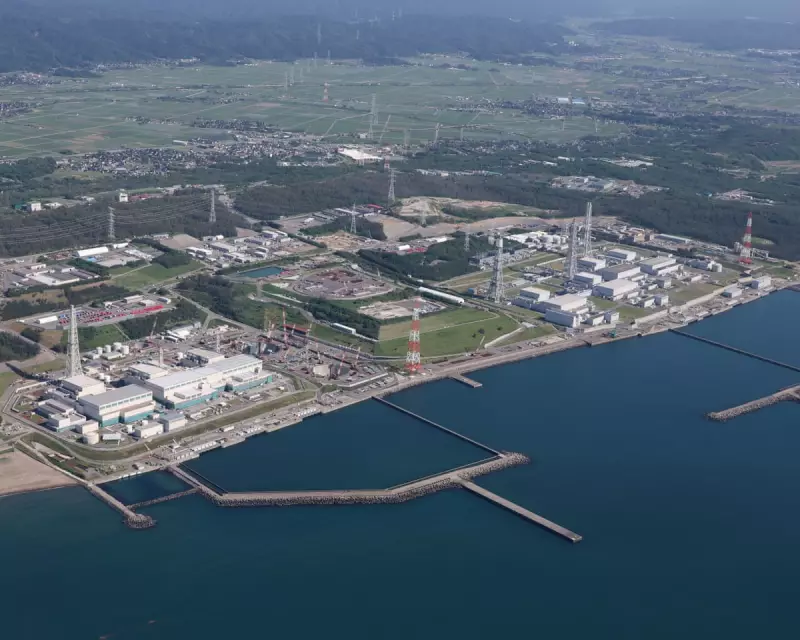
Fifteen years after the catastrophic Fukushima Daiichi meltdown, Japan is poised to restart the world's largest nuclear power station, a move that has reignited fierce debate over safety and the nation's energy future.
A Colossal Facility Stirs Back to Life
Activity is intensifying around the Kashiwazaki-Kariwa nuclear power plant in Niigata prefecture. Workers are widening roads and a heavy security presence, including razor-wire fences and police patrols, underscores the site's significance. When operating at full capacity, its seven reactors can generate a staggering 8.2 gigawatts of electricity, powering millions of homes.
Yet, since 2012, this titan of nuclear energy has lain dormant. It was shut down alongside dozens of other reactors following the March 2011 triple meltdown at the Fukushima Daiichi plant, operated by the same utility: Tokyo Electric Power (Tepco). That disaster, triggered by a massive tsunami, forced 160,000 people to evacuate.

Local Opposition and Unanswered Questions
Now, Tepco is preparing to restart reactor No. 6, potentially as soon as this week. The Japanese government champions nuclear power as crucial for meeting emissions targets and ensuring energy security. However, for the 420,000 residents living within a 30km radius, the restart is a source of profound anxiety.
Ryusuke Yoshida, a 76-year-old potter whose home lies less than 1.5 miles from the plant, voices a common fear. "The evacuation plans are obviously ineffective," he states, pointing to winter snows that block roads and the area's ageing population. "This is a human rights issue."
Despite Tepco's pledge to invest 100 billion yen (£470m) in the local area and its installation of new seawalls, backup generators, and filtration systems, trust remains low. A recent prefectural poll found over 60% of nearby residents believe conditions for a safe restart have not been met.
Seismic Risks and a 'Nuclear Village'
Concerns are amplified by the region's seismic activity. The plant itself sustained damage during a 6.8-magnitude earthquake in 2007. Kazuyuki Takemoto, a 76-year-old member of the Kariwa village council, argues that safety cannot be guaranteed. "It used to be said that nuclear power was necessary, safe and cheap … We now know that was an illusion," he says.
Critics point to a recent scandal where another utility, Chubu Electric Power, fabricated seismic data, further eroding public faith. Many locals feel the restart has been imposed by Japan's so-called "nuclear village"—the alliance of industry, regulators, and government—overriding their objections.
As Japan marks the 15th anniversary of a disaster that claimed around 20,000 lives, the restart of Kashiwazaki-Kariwa represents a high-stakes gamble. It is a pivotal test of whether the lessons of Fukushima have been truly learned, or if economic and energy pressures will once again overshadow the fears of those who live in the shadow of the reactors.