Japan’s Kochi prefecture is offering financial incentives of up to 20,000 yen (£125) to encourage single people aged 20 to 39 to use dating apps, in a bid to counter the country’s declining birthrate. The subsidy covers most of the annual membership fees for approved matchmaking apps, including popular platform Tapple.
Officials said the amount was set to roughly match typical annual fees. Users will later be surveyed to assess the scheme’s effectiveness. Kochi teamed up with Tapple in December to promote safer online dating. Other regions, such as Miyazaki, have tried similar but smaller subsidies of up to 10,000 yen.
Reactions online have been mixed. While some welcomed the idea, others argued that deeper issues such as financial stress, long working hours, and the cost of raising children make relationships and marriage difficult. Dating apps are already a common way for young Japanese to meet partners; a 2024 government survey found roughly one in four married people under 39 met their spouse online.
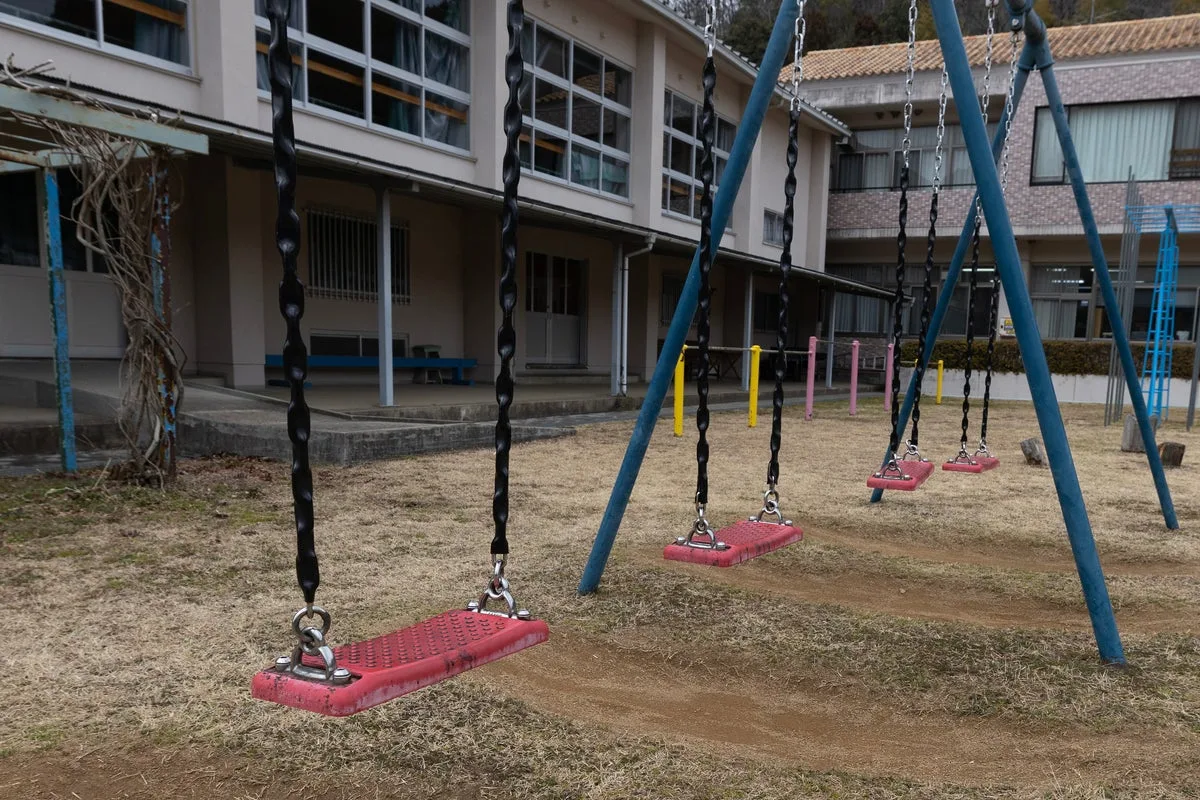
Japan’s population challenges have worsened, particularly in rural areas like Kochi where many young people have moved away. In 2024, the country recorded 686,061 births—the lowest since 1899—and 1.59 million deaths, resulting in a natural decline of nearly one million. The population fell for the 16th consecutive year, with the steepest drop since 1950. Japan now has the world’s second-oldest population, after Monaco.
Previous government measures to boost birthrates include expanding childcare, housing subsidies, a government-run dating app, and a four-day work week trial for Tokyo metropolitan employees. The new dating app subsidy is the latest attempt to reverse the trend.