

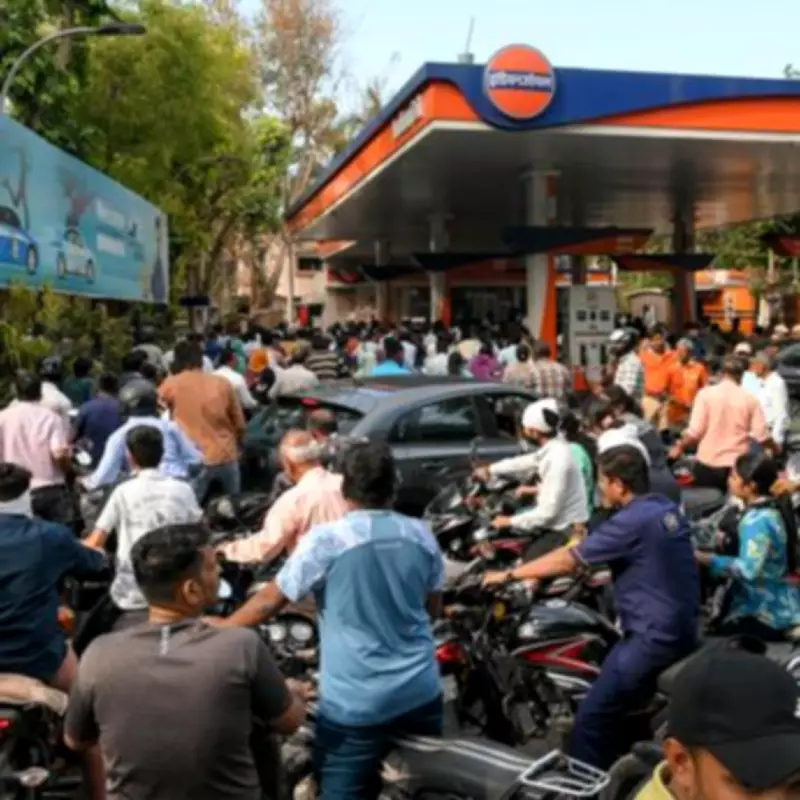
Multiple nations are implementing severe fuel restrictions as the escalating conflict in Iran triggers a global energy crisis reminiscent of the 1970s. This development has sparked widespread panic over oil supplies, leading to urgent governmental actions aimed at conserving resources and mitigating economic fallout.
International Responses to the Growing Crisis
In the past twenty-four hours, Egypt, Slovenia, and the Philippines have introduced stringent new fuel regulations. These measures are designed to curb consumption and ensure that essential services can continue operating amidst the turmoil. The Philippines has taken the drastic step of declaring a state of national energy emergency, citing an imminent danger of critically low energy supplies.
United Kingdom Contingency Plans
British authorities are actively drawing up contingency plans in response to fears of imminent petrol shortages. Reports indicate that UK ministers are considering a £30 limit on fuel purchases per transaction, alongside a temporary national speed restriction of 50mph. Priority access to fuel would be granted to essential services, including the National Health Service and police forces, to maintain public safety and critical healthcare operations.

Additional Global Measures
Sri Lanka has announced a four-day work week for all government employees as part of broader efforts to reduce energy consumption. This move highlights the far-reaching impacts of the crisis, affecting not only fuel availability but also daily work routines and economic productivity.
Root Causes of the Energy Panic
The immediate trigger for this global energy crisis is Iran's military actions, which include laying further sea mines in the Strait of Hormuz. This strategic waterway, crucial for Middle Eastern oil exports, has been effectively closed, leading to significant spikes in global oil prices. The disruption has exacerbated existing supply chain vulnerabilities, prompting nations to adopt preemptive restrictions to avoid complete depletion of fuel reserves.
As the situation evolves, governments worldwide are monitoring developments closely, with many expected to announce additional measures in the coming days. The collective response underscores the interconnected nature of global energy markets and the urgent need for coordinated action to address this escalating crisis.






