Iran-US Conflict Threatens UK Cost of Living with Energy, Fuel, and Food Price Spikes
Iran-US War Could Hike UK Energy, Petrol, and Food Costs

Iran-US Conflict Sparks Fears Over UK Cost of Living Crisis

As the conflict between the United States and Iran intensifies, with strikes and retaliations destabilising the Middle East, the economic repercussions are rippling across the globe, including to the United Kingdom. The situation has drawn comparisons to Russia's invasion of Ukraine, which previously drove up prices for British households, and now threatens to inflict similar financial pain through disruptions to energy, fuel, and food supplies.

Global Trade Disruption and Economic Warfare

It has been just over a week since the US launched initial strikes on Iran, triggering a series of exchanges that have involved Israel and spread to targets in the United Arab Emirates, Qatar, Bahrain, Jordan, and Iraq. In a significant escalation, Iran has warned it will "set fire" to any ships attempting to navigate the Strait of Hormuz, a critical waterway through which approximately 20 per cent of the world's gas and oil is shipped. This threat has delivered a sudden shock to global trade, with ten ships reportedly hit already, and a senior Iranian military adviser vowing to prevent "a single drop of oil" from leaving the region.

This approach has been labelled 'economic warfare', potentially crippling economies worldwide. In response, US President Donald Trump has suggested his military might "take over" the Strait of Hormuz to mitigate impacts, though trade currently remains nearly at a standstill. In the UK, Prime Minister Sir Keir Starmer has acknowledged the growing concerns, stating that prolonged conflict could significantly affect the economy and household finances.

Energy Bills Set to Surge

Wholesale gas prices have soared by almost 50 per cent since the conflict began on Saturday 28 February, directly influencing energy costs in the UK. Although the UK imports most of its gas from Norway and produces a substantial amount domestically in the North Sea, with only a small percentage from Qatar, disruptions in the Gulf can have massive knock-on effects. James Meadway, founder of the Verdant think tank and host of the Macrodose economics podcast, explains that this shock is already feeding into gas markets, with households likely to face very high bills in about three months.

While the energy price cap for April to June was set in February, offering some protection until July with a seven per cent reduction, Ofgem's announcement for July to September by 27 May could bring a steep increase. Energy consultancy Cornwall Insight warns this could be as much as 10 per cent, or £160, effectively wiping out savings from recent government changes. Money expert Martin Lewis has urged households to consider fixed tariff energy deals to insulate against potential rises.

Petrol Prices Hit Near 20-Month High

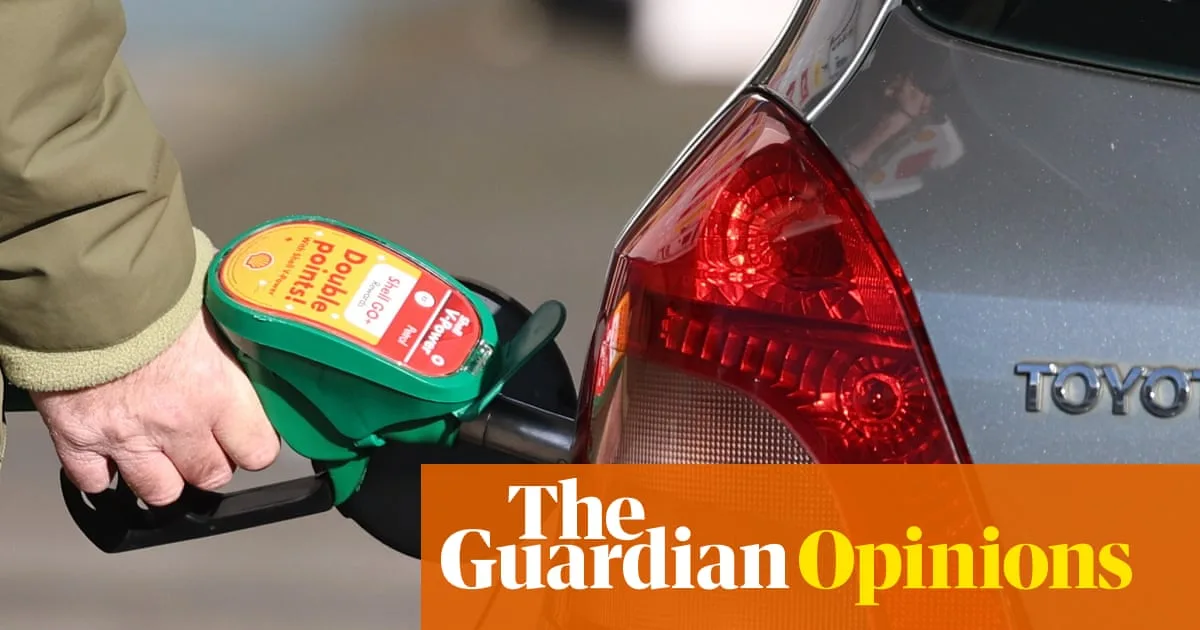
Petrol and diesel prices have reached their highest levels in nearly 20 months, with increases of between 4.68p and 8.59p per litre since the conflict started. On average, drivers now pay 137.51p per litre for unleaded petrol and 150.97p per litre for diesel, meaning filling a 55-litre family car costs up to £4.72 more than just over a week ago. AA president Edmund King has advised motorists to cut out "non-essential journeys" as prices continue to climb.

The spike is driven by oil prices, with Brent crude exceeding $100 a barrel for the first time since 2022. Meadway notes that any disruption to global oil production rapidly translates into higher prices at the pump, describing this as potentially "the biggest single oil shock ever".

Food and Grocery Costs Under Pressure

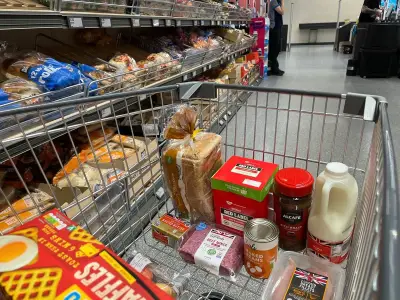
Economists warn that the conflict may also push up food and grocery prices, both through increased transport costs due to rising oil prices and disruptions to artificial fertiliser supplies. With the UK importing around 40 per cent of its food, higher trade costs could quickly affect shelf prices. Additionally, the Gulf is a major producer of artificial fertiliser, reliant on natural gas, and any supply disruption could dramatically impact food prices, as fertiliser is crucial for domestic agriculture.

The situation remains volatile, with the worst impacts potentially mirroring those of the Ukraine war, where inflation peaked at 11.1 per cent and the energy price cap hit a record high. While President Trump has indicated the war may end "pretty quickly", for now, the exchange of fire and economic disruption continues, leaving UK households bracing for further cost of living challenges.