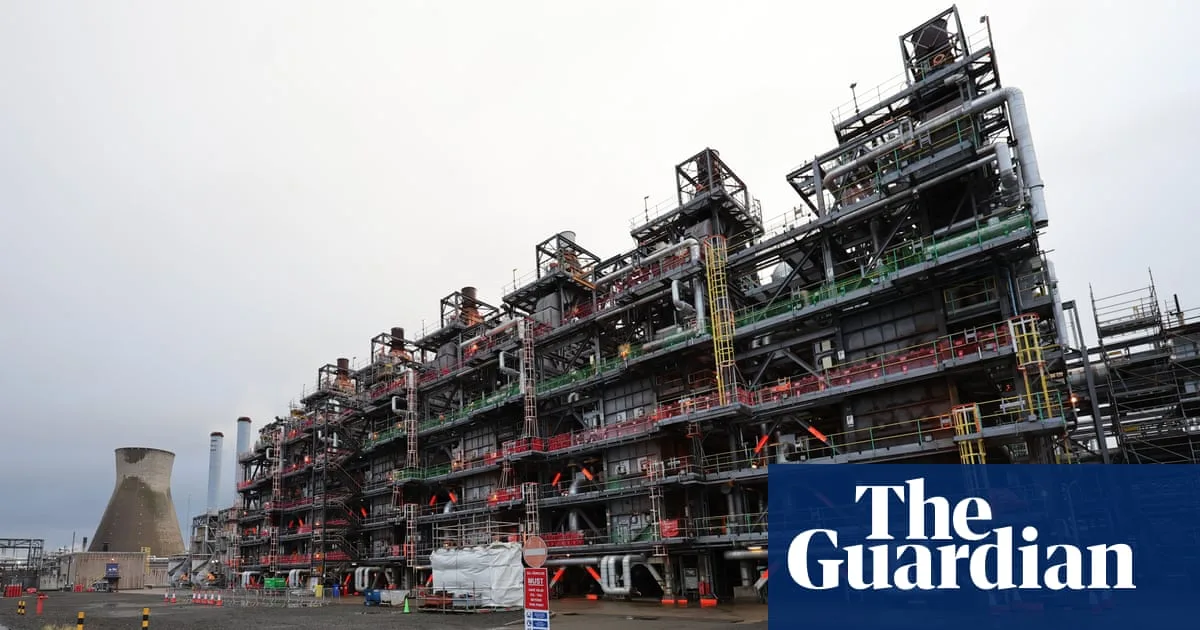
The UK government is preparing a £50m bailout for Ineos's Grangemouth plant, following a request for help from billionaire Jim Ratcliffe in October. This comes after the company received up to £70m in state aid over the past four years, including between £16m and £38m in the last year alone, according to government disclosures.
The government stepped in on Tuesday to provide £50m to support Grangemouth, fearing the loss of the UK's last ethylene plant, a crucial material for plastics. It also backed a £75m loan guarantee, while Ineos will invest £30m of its own money. The bailout follows the closure of the adjacent oil refinery in September 2024, costing 400 jobs.
Ratcliffe, worth $14.5bn (£11bn), asked for help in October as the Ineos group faces financial pressure from rising energy costs after Russia's invasion of Ukraine. Fitch Ratings downgraded Ineos's credit rating in September, reflecting concerns over debt repayment. Ratcliffe has also spent heavily on his off-road car venture and his minority stake in Manchester United.
Most previous state aid came as tax breaks for voluntary energy reduction and carbon dioxide emissions cuts. An Ineos spokesperson said the aid was not special treatment but awarded against strict criteria available to any qualifying UK business. Ratcliffe welcomed the £50m support but criticised government policy, including carbon taxes, calling them 'the most idiotic tax in the world' and arguing they drive industry abroad.
Ineos has invested over £400m at Grangemouth in the last five years. Colin Pritchard, head of sustainability for Ineos's Olefins & Polymers division, said the bailout money would improve energy efficiency and cut emissions, as the site faces 'extreme pressure' from energy costs and carbon taxes.