Exclusive: Strait of Hormuz Standoff Threatens UK with Soaring £2,500 Energy Bills
The strategic battle for control of the narrow Strait of Hormuz could force average UK household energy bills to skyrocket to £2,500 per year, according to an exclusive investigation. This vital maritime chokepoint, controlled by Oman and Iran and measuring just 33 kilometers wide at its narrowest point near Dubai, has become the epicenter of a geopolitical crisis with direct consequences for British consumers.
Iranian Blockade Paralyzes Global Energy Supplies
Ebrahim Jabbari, a senior adviser to Iran's Revolutionary Guard Corps commander-in-chief, has issued a stark warning: "The strait is closed. If anyone tries to pass, the heroes of the Revolutionary Guard and the regular navy will set those ships ablaze." Jabbari further declared that Iran would not allow a "single drop" of oil to leave the region, predicting significant oil price surges as a result.
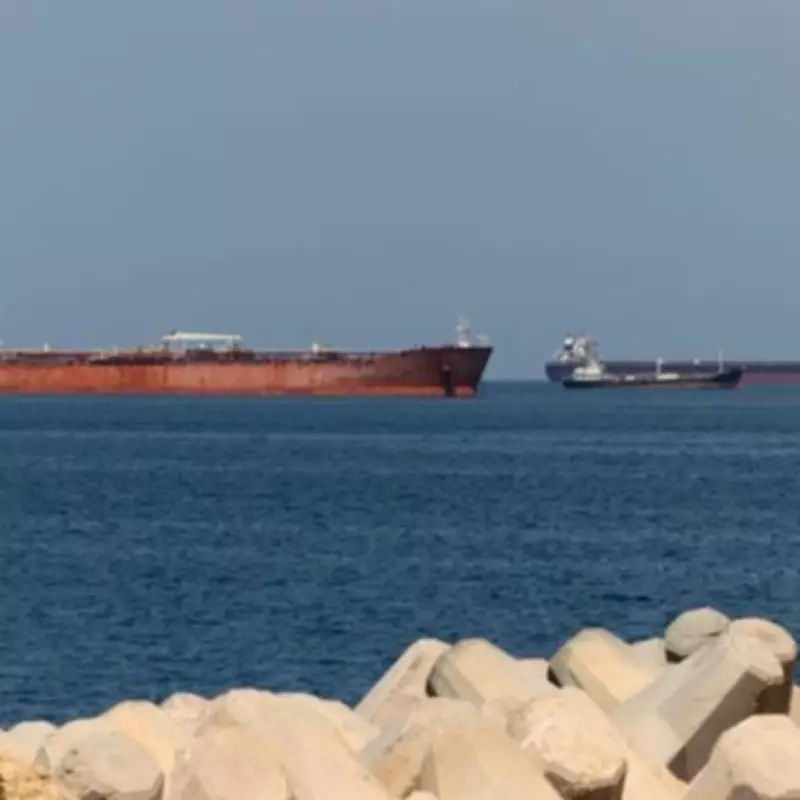
Iranian drone strikes have already disrupted maritime traffic, forcing insurers to cancel war risk coverage for the area. The Mirror witnessed the surreal buildup of ships in the Gulf of Oman, with lines of tankers anchored on the horizon while tourists sunbathed on beaches near Oman's capital Muscat. British shipbroker Clarksons estimates approximately 3,200 ships, representing four percent of the global fleet, stood idle in the Gulf this week.

Immediate Economic Impact and UK Consequences
The economic repercussions are already materializing. Crude oil prices jumped around 12 percent in the first four days of the conflict. A container ship was recently hit by an "unknown projectile" approximately 200 miles from the Strait of Hormuz, forcing the evacuation of 24 crew members as fire engulfed the engine room.
For UK households, this translates to potentially devastating energy bill increases. The United Arab Emirates and Qatar account for approximately one-fifth of global Liquified Natural Gas (LNG) supplies. Most LNG passing through the strait originates from Qatar, with smaller volumes from the UAE, typically supplying customers in Asia like China and India.
Disruption to these shipments is set to increase competition for cargoes from other sources that normally supply European customers, inevitably pushing up household bills for millions in the UK. Investment analysts at Stifel warn this could create a repeat of the energy crisis that followed Russia's invasion of Ukraine.
Military Escalation and Protracted Conflict Fears
Former US President Donald Trump has forecast the conflict is likely to continue for weeks, with lines of ships and tankers dropping anchor while awaiting resolution. The US has promised to deploy a naval fleet to provide safe passage for supertankers, but this represents a significant risk given the ever-present threat of Iranian missiles.
Iranian defense spokesman Brigadier General Reza Talaei Nik warned in a televised statement that Iran is fully prepared to wage a protracted war "sustainably and effectively." He revealed that "strategic reserves of weapons, equipment, and ammunition of the armed forces have been secured in advance" and noted Iran has so far used only a portion of its military capabilities.
Air force commander Major General Majid Mousavi further emphasized Iran's determination, stating their missile capabilities "will continue to defend the beloved homeland...even if it means sacrificing lives."
Projected UK Energy Bill Crisis
Any sustained increase in wholesale gas prices will directly impact UK households when Ofgem next adjusts the price cap in June. Analysts project that rising wholesale prices could push the annual energy cap from the current £1,641 to approximately £2,500.
As each day passes without resolution, the cost of fuel and consequently the cost of living in the UK continues to escalate. The Strait of Hormuz conflict represents not just a regional geopolitical struggle but a direct threat to household finances across Britain, with energy affordability becoming an increasingly pressing concern for millions of consumers facing potential bill increases of over 50 percent.