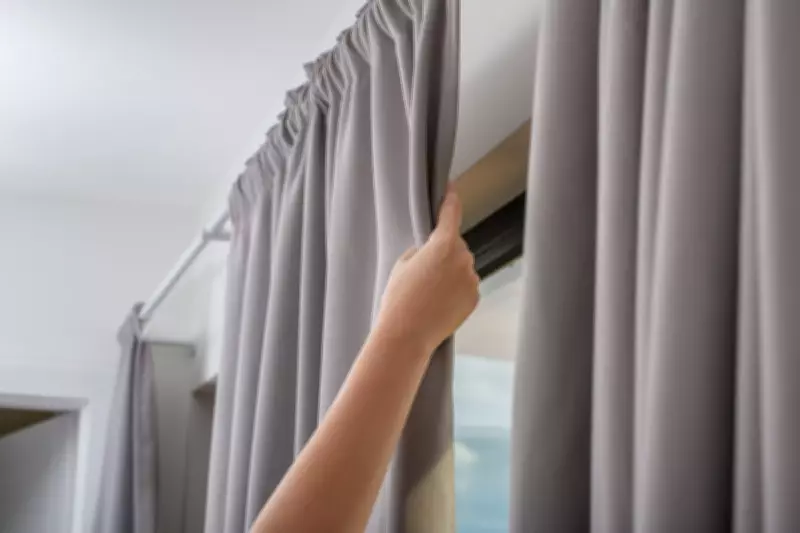
In an era of soaring energy costs and growing environmental awareness, a classic home furnishing from the Victorian period is experiencing a remarkable resurgence. Heavy curtains, once prized for both their decorative appeal and insulating properties, are making a significant comeback in modern interiors. This revival is driven not merely by aesthetic trends but by a practical desire to enhance domestic energy efficiency and create cosier living spaces.
The Historical Context and Modern Revival
During the Victorian era, heavy curtains were a staple feature in homes, valued as much for their ability to retain warmth and block intrusive draughts as for their ornamental qualities. This was long before the widespread adoption of central heating systems. Over subsequent decades, their popularity waned with the rise of double glazing as the standard for window insulation and a shift towards minimalist interior design that favoured sheer, lightweight fabrics.
Today, the landscape has shifted once more. With energy bills remaining a pressing concern for households across the UK, the functional benefits of thick window treatments are being rediscovered. Stephanie Reid, fabric design manager at Ashley Wilde, observes this trend, noting, "Heavy curtains and layered window treatments are having a moment again as interiors move away from stark minimalism and lean back into warmth, texture, and a more considered, finished feel."

Understanding the Energy Efficiency of Heavy Curtains
When selected and installed correctly, thick curtains can be surprisingly effective at improving a home's thermal performance. Their primary mechanism is creating a physical barrier between the warm interior air and the cold surface of the window glass, thereby reducing the rate of heat transfer and loss.
Do Thick Curtains Effectively Keep the Cold Out?
Heavy curtains serve a dual purpose: they prevent warm air from escaping and cold air from infiltrating, while simultaneously contributing to a perceptibly cosier room ambiance. However, their efficacy is heavily dependent on proper fit and installation.
For optimal performance, full-length curtains should gently rest on the floor to seal the bottom edge. Shorter, sill-length curtains must overlap the window sill adequately to block ascending cold air. Crucially, all curtains should be wide enough to overlap substantially in the centre when drawn and should extend beyond the sides of the window frame.
Additional measures can enhance insulation. Using Velcro tape or affordable magnetic strips to seal the vertical edges of the curtains against the wall can prevent draughts. Installing the curtain rod or track as close to the window frame as possible minimises gaps. A pelmet—a decorative box concealing the rod—further aids by trapping air. Curtain rods that curve into the wall at both ends also help create a tighter seal.
Acquiring new heavy curtains can represent a significant investment. A cost-effective alternative is to explore secondhand curtain exchanges, which often offer pre-loved styles at a fraction of the price. Many such exchanges have on-site tailors who can provide alterations and expert advice on the best styles for specific window shapes.
Selecting the Best Curtains to Block Draughts
While numerous curtain styles offer some draught-proofing benefits, those that are thick and properly lined deliver superior performance. Curtains with specialised thermal or blackout linings are particularly effective, as their dense fabric composition impedes both light penetration and airflow.
In colder Nordic climates, it is common practice to maintain two sets of curtains: lighter versions for summer and substantially thicker ones for winter. For those wishing to avoid the expense of entirely new curtains, a practical solution is to add a separate thermal or blackout lining behind existing curtain panels.

Yvonne Keal, a product expert at Hillarys, emphasises the range of effective draught-proofing options available. "Thermal linings have been specifically engineered to reduce heat loss, and when paired with a thick curtain fabric, they’re remarkably effective," she explains. These linings not only improve thermal performance but also give curtains a fuller, more luxurious appearance. It is advisable to ensure the lining is slightly shorter than the main curtain fabric to maintain a neat aesthetic.
The Power of Layering Window Treatments
Keal also highlights the insulating benefits of layering different window treatments. "Another easy win is adding a blind underneath—a Roman blind is ideal—but even a simple roller blind adds more insulation," she notes. She points out that combining curtains with thermal blinds or honeycomb (cellular) blinds can be especially effective. The cellular design of honeycomb blinds traps air within its structure, creating multiple insulating layers that help keep homes warmer in winter and cooler in summer.
Fabric Choices and Additional Considerations
The choice of fabric is a critical factor in a curtain's insulating capability. Stephanie Reid recommends tightly-woven materials such as velvet, wool, or heavyweight cottons, which excel at retaining heat and improving overall insulation.
It is also worthwhile to consider other areas of heat loss. A curtain hung over a front door can be one of the simplest methods to keep an entrance hall warm. Specially designed curtain poles with swing arms allow the door to be opened and closed easily without the fabric becoming trapped.
A Crucial Warning: Radiators and Curtain Placement
One common but costly mistake can undermine all efforts to improve energy efficiency. If a radiator is positioned directly beneath a window and is covered by a full-length curtain when it is drawn, heat becomes trapped behind the fabric instead of circulating into the room. Experts estimate this can lead to a significant 20-30 per cent loss of useful heat—akin to running a small heater without actually warming the living space.
To prevent this, always tuck curtains behind the radiator to allow heat to escape into the room. Choosing curtains with a pencil pleat heading can facilitate this, as the soft folds of fabric are easier to tuck neatly behind the radiator without creating bulky bunches. Additionally, installing a radiator shelf above the unit can help redirect heat forward into the room, improving circulation and efficiency.
In conclusion, the return of heavy curtains represents a fusion of historical wisdom and modern necessity. By paying attention to fabric choice, incorporating thermal linings, ensuring a precise fit, and avoiding common pitfalls like covering radiators, homeowners can harness these traditional window treatments to create warmer, more energy-efficient, and inviting homes.