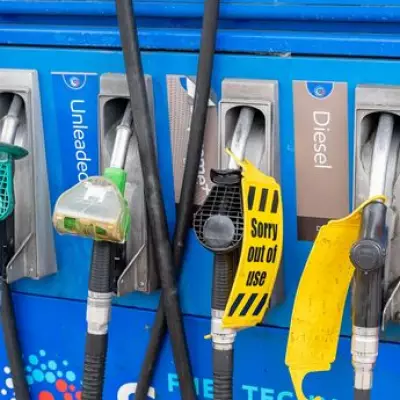
Treasury officials are actively crafting a financial support package aimed at assisting poorer households grappling with dramatic increases in heating oil expenses. This initiative comes as prices have surged to approximately 130 pence per litre in certain regions, effectively doubling since the onset of the Iran War. Heating oil, unlike other energy sources, remains outside the protection of the standard energy price cap, leaving many families vulnerable to market fluctuations.
Targeted Support Over Universal Bailouts
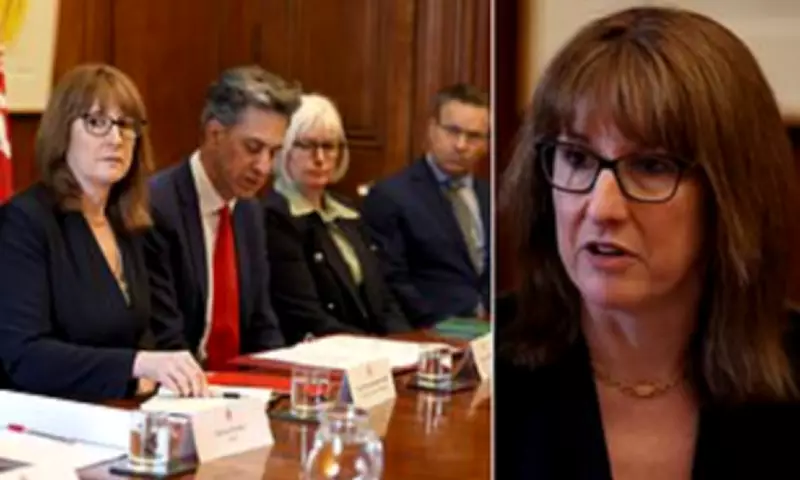
Chancellor Rachel Reeves has emphasised a targeted approach, prioritising lower-income families rather than implementing a broad universal bailout. She stated, 'I have found the money and we've worked through with MPs and others a response for people who are not protected by the energy price cap. We're giving greater support to those who really need it.' This strategy contrasts with the extensive package announced by former Prime Minister Liz Truss during the Ukraine conflict, which incurred costs of around £35 billion over six months.
Calculating the Impact of Prolonged Conflict
The Treasury is currently modelling various scenarios to assess the potential duration of the Iran conflict and its long-term effects on wholesale prices. Reeves highlighted the importance of fiscal discipline, noting, 'It is important even when there is an economic shock - or perhaps particularly when there's an economic shock - that you continue to be disciplined about your use of public money.' Officials are exploring different options through the Iran response board, a group comprising treasury ministers and key officials.

Fuel Duty and Market Volatility
Amidst these discussions, pressure mounts on Reeves to reconsider a planned five pence per litre increase in fuel duty scheduled for September. Average petrol station prices have recently exceeded £1.40 per litre, marking a 5% rise since the conflict began and reaching a 16-month high. However, the Chancellor expressed reluctance to intervene, citing concerns that previous government investments in keeping fuel duty low have not always benefited consumers directly.
She remarked, 'I don’t want to freeze fuel duty to allow petrol retailers to make a bigger profit,' referencing Competition and Markets Authority research indicating potential overcharging by some garages. Opposition leader Kemi Badenoch has criticised the planned duty increase as 'stupid' and advocated for increased drilling in the North Sea to bolster energy security.
Supply Chain Disruptions and Household Impact
The Strait of Hormuz, a critical passage for oil and gas tankers, has seen a drastic reduction in daily ship traffic from 138 to about five due to security threats. This disruption has introduced significant volatility into global oil and gas markets, directly impacting household energy costs. Heating oil, which is kerosene-based and traded on European wholesale markets reliant on Gulf supplies, has been particularly affected.
Ken Cronin, CEO of the UKIFDA distributors' trade group, explained, 'In a market this volatile, lack of certainty is difficult. Our members are doing everything they can to support oil-heated homes.' According to recent Census data, approximately 865,000 households in England and Wales, along with 127,000 in Scotland and 380,000 in Northern Ireland, depend on heating oil, predominantly in eastern England, Wales, the north-east, and the west country.
Broader Economic Context and Future Measures
Reeves underscored that the UK's current economic stability, achieved through policies implemented over the past year and a half, positions the nation better to handle the fallout from Middle Eastern conflicts. She reflected, 'It does show that we were right to do what we did the first year and a half because we are in a much stronger position economically and fiscally to deal with this than we would have been if it had happened 18 months ago.'

A Government spokesperson reiterated the commitment to supporting families, mentioning existing measures such as the extended 5p fuel duty cut, the Warm Homes Discount providing £150 annual savings for six million households, and the energy price cap reducing bills by £117 over the next three months. Full details of the heating oil subsidy package are anticipated to be released in the coming week, with estimates suggesting costs in the tens of millions of pounds.