Heating Oil Prices Skyrocket as Middle East Conflict Intensifies
Almost two million homes and businesses across the United Kingdom are confronting a severe financial strain as heating oil costs have more than doubled within a single week. This dramatic price surge is directly linked to the escalating conflict in the Middle East, which has disrupted global oil supply chains and sent shockwaves through energy markets.
Volatile Market Hits Consumers Directly
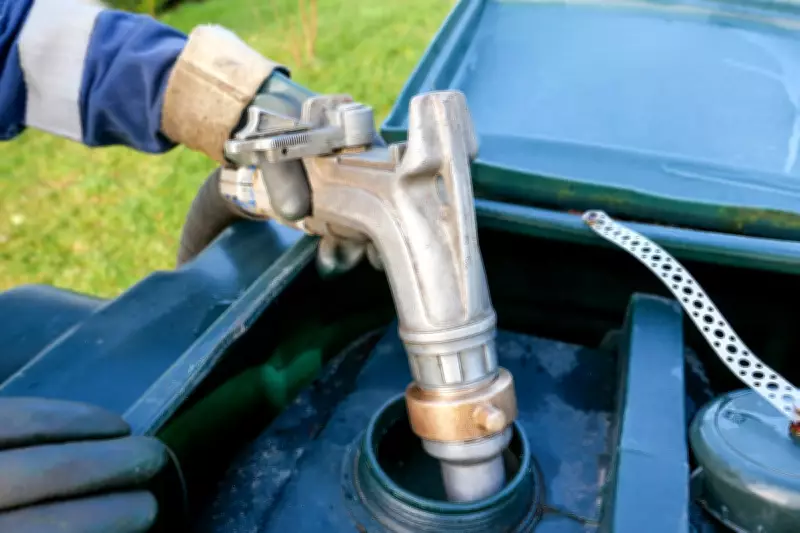
Unlike gas and electricity, which are typically supplied under regulated contracts with major providers, heating oil operates on a far more volatile and immediate pricing model. The product, usually kerosene-based, is purchased directly by consumers from local or regional suppliers as needed, with no long-term price caps to buffer market fluctuations.
This means price increases in crude oil are fed straight through to end-users without delay. Data reveals that the cost per litre has jumped from approximately 66 pence on March 2 to as high as 138 pence by March 9, representing an increase of 109 percent.

Who Relies on Heating Oil and Why?
Heating oil remains a critical energy source for properties not connected to the national gas grid. This includes many homes and businesses in remote rural areas, such as parts of Wales, the Scottish Highlands, and Northern Ireland, as well as older buildings constructed decades ago.
An estimated 1.7 million UK households depend on heating oil, with around 520,000 of those located in Northern Ireland, where between 50 to 60 percent of homes use it as their primary heating source. Additionally, between 100,000 and 150,000 businesses across the nation rely on this fuel.
Supply Chain Vulnerabilities Exposed
The current crisis highlights a key vulnerability: the UK's heating oil supply is disproportionately dependent on the Middle East. While only 10 to 15 percent of the nation's general crude oil mix comes from the region, heating oil—a kerosene product similar to jet fuel—has a 40 percent dependency.
Ken Cronin, CEO of UKIFDA, the trade association for heating oil distributors, explained the market dynamics. "There's no lag whatsoever in this market, and that's reflected in consumer prices," he stated. "Although there has been a rapid increase, there would be a rapid decline as well if the situation around Iran improves or supply eases."
Industry and Expert Advice
With prices fluctuating daily, some suppliers are reportedly unable to quote accurate delivery prices until the day before shipment. Industry leaders, including UKIFDA and major distributor Certas Energy, are urging customers to avoid panic-buying.
They advise those not in immediate need to contact local distributors and consider waiting to see how markets evolve, rather than purchasing at currently elevated prices. Certas Energy noted a marked increase in orders, including larger-than-usual volumes, which is placing additional pressure on supply chains.
Historical data from UKIFDA shows the average price band for heating oil has typically been 50-60 pence per litre since July 2011, with significant deviations during the Covid pandemic, the Ukraine conflict, and the current crisis.
The situation underscores the broader impact of geopolitical tensions on everyday energy costs, particularly for those in off-grid communities who face these price hikes more immediately and acutely than users of mainstream utilities.