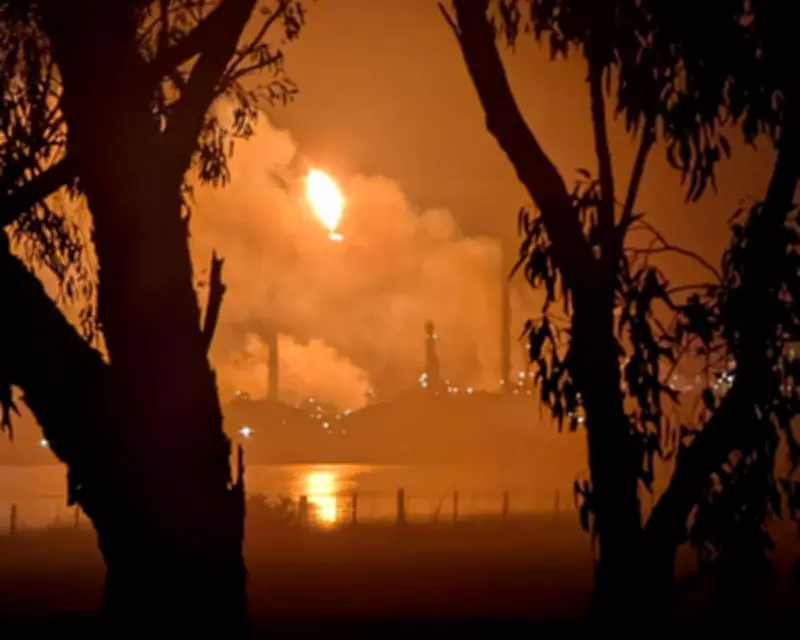
Geelong Refinery Fire Extinguished, Yet Fuel Crisis Questions Persist
The blaze that erupted at the Geelong refinery has now been fully extinguished, bringing a temporary sigh of relief to emergency services and local residents. However, the aftermath of the incident has ignited a fierce debate over its implications for Australia's deepening fuel crisis, with experts and policymakers scrambling to assess the long-term effects on national energy security.
Immediate Aftermath and Containment Efforts
Firefighters worked tirelessly through the night to bring the refinery fire under control, deploying advanced suppression techniques to prevent further damage to critical infrastructure. Authorities have confirmed that no injuries were reported, and the site has been secured for investigation. Despite this success, the disruption to refinery operations has already sent shockwaves through the fuel supply chain, exacerbating existing shortages across the country.
Impact on Australia's Fuel Supply
The Geelong refinery is a key player in Australia's energy landscape, responsible for processing a significant portion of the nation's fuel. With its operations halted, concerns are mounting over potential price hikes and supply bottlenecks. Industry analysts warn that this incident could strain an already fragile system, particularly as global oil markets remain volatile. The timing could not be worse, as Australia grapples with rising demand and limited domestic production capacity.

Broader Implications for Energy Security
This fire has reignited discussions about Australia's reliance on imported fuels and the need for greater investment in domestic refining capabilities. Critics argue that the country's energy policies have left it vulnerable to such disruptions, calling for urgent reforms to bolster resilience. Questions are also being raised about safety standards and regulatory oversight at industrial sites, with calls for stricter enforcement to prevent future incidents.
Looking Ahead: Solutions and Challenges
In response to the crisis, government officials are exploring short-term measures to stabilize fuel supplies, such as tapping into strategic reserves or increasing imports. However, long-term solutions will require a concerted effort to enhance refinery infrastructure and promote alternative energy sources. The public is urged to remain vigilant as the situation unfolds, with updates expected in the coming days.
As the smoke clears in Geelong, the flames of concern over Australia's fuel future continue to burn brightly, underscoring the urgent need for decisive action to secure the nation's energy independence.