Fuel Prices Rocket as Middle East Conflict Sends Costs Soaring for UK Motorists
Motorists across the United Kingdom are confronting unprecedented surges at the petrol pumps, with diesel prices escalating by a staggering 29 percent since the onset of the Middle East conflict in late February. The intensifying war has severely disrupted global oil supplies, directly impacting wholesale fuel costs and leaving drivers to bear the brunt during the crucial Easter getaway period.
Record Price Increases at the Forecourt
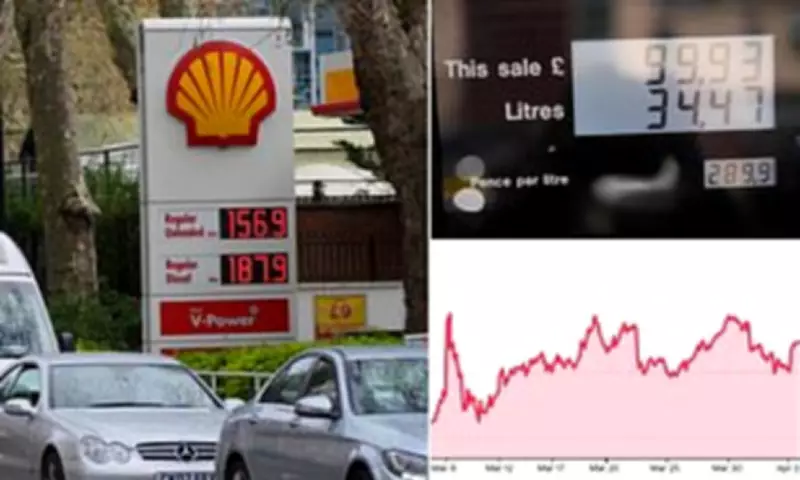
According to the latest data from the RAC, the average price for a litre of diesel at UK forecourts has now reached 184.2p, marking a near 30 percent increase since February 28. Petrol prices have similarly climbed, with the average litre costing 153.7p, representing a 16 percent rise over the same timeframe. These figures underscore the most rapid monthly acceleration in fuel costs ever recorded in the UK.
In a stark illustration of the crisis, one fuel station in Chelsea, west London, was observed selling diesel for 229.9p per litre, with petrol priced at an eye-watering 288.9p. Analysis reveals that the cost of filling a standard 55-litre family car tank has increased by approximately £11 for petrol and £22 for diesel throughout March alone.

Easter Travel Amidst Soaring Costs and Disruption
Despite these soaring expenses, the AA estimates that a remarkable 21.7 million car journeys have been planned across Britain for the Easter weekend, making it the busiest day of the holiday period. The RAC has confirmed this will be the most congested Easter on UK roads since 2022, as millions of drivers embark on getaway trips.
Travelers are also contending with significant rail disruptions, as Network Rail implements over 270 upgrade projects, including a six-day shutdown of the West Coast Main Line. Furthermore, the Met Office has issued warnings for potential travel chaos, with northern England and Scotland expected to experience winds gusting up to 90mph over the weekend.
Economic Impact and Political Response
The financial ramifications are substantial. Separate data indicates that UK drivers have collectively spent nearly £600 million more on fuel than they would have prior to the conflict, generating approximately £100 million in additional VAT receipts for the Treasury. The Road Haulage Association has highlighted that rising pump prices are severely affecting businesses, delivery firms, and private motorists alike, with costs likely to be passed through the entire supply chain.
In response, the Liberal Democrats have called for an immediate 10p cut in fuel duty to alleviate pressure on motorists, alongside a 10 percent reduction in rail fares. However, the Labour government has thus far resisted demands to scrap its planned fuel duty increase scheduled for September, which would add an estimated £3 to the cost of a full tank.
Global Oil Market Volatility
The primary driver behind the UK's fuel price crisis is the escalating conflict in the Middle East, particularly Iran's stranglehold on tankers navigating the critical Strait of Hormuz. This strategic chokepoint handles approximately one-fifth of the world's oil supply, and its disruption has sent global oil prices hurtling upwards. Following recent military actions, Brent crude oil prices jumped 5 percent to $106 a barrel, exacerbating the situation for importing nations like the UK.
RAC spokesman Simon Williams remarked, "March has been truly unprecedented – fuel prices have never risen this fast in a single month." This sentiment is echoed across the motoring and haulage industries, where concerns are mounting about the long-term sustainability of such cost pressures.
Practical Advice for Cost-Conscious Motorists
Amidst the turmoil, experts are urging drivers to adopt fuel-efficient driving techniques and to meticulously compare pump prices using available online tools and apps. The Daily Mail's exclusive real-time price map, which aggregates data from 15 major fuel retailers including Tesco, Asda, Sainsbury's, and BP, can help motorists identify the cheapest local options. Research suggests that switching to a station offering a 20p per litre discount could save the average driver around £10 per fill-up, or nearly £200 annually.

AA president Edmund King has advised motorists to consider reducing non-essential journeys and to modify their driving style to maximise fuel efficiency. Meanwhile, Business Minister Kate Dearden has sought to reassure the public, stating there are "no current supply issues" for fuel in the UK and encouraging people to continue with their Easter travel plans.
As the Middle East conflict shows no signs of abating, UK motorists are bracing for continued volatility at the pumps, with the situation likely to remain fluid throughout the spring and summer months.