Fuel Price Surge: How Rising Petrol Costs Impact Everyone and Ways to Save
As the conflict in the Middle East persists without clear resolutions, consumer rights expert Martyn James has been appearing across news studios to discuss the financial implications of rising prices. Concerns over fuel costs have dominated headlines since the conflict erupted, sparking minor panics at forecourts as drivers rush to fill their tanks. In this article, James addresses the key questions: How concerned should you be? What is driving the increases? What does the future hold? He also provides a comprehensive range of tips to help reduce your fuel expenses.
Why Are Fuel Prices Rising?
Historically, wars, conflicts, and volatile situations lead to price hikes in various sectors, including energy, fuel, food, and interest rates. We witnessed similar spikes during the pandemic and the Ukraine conflict. The current Middle East turmoil is particularly complex because many of the world's top oil and gas producers are directly involved or under attack. Approximately one-fifth of global oil and seaborne gas traverses the Strait of Hormuz, a highly contested area in this conflict. Consequently, fuel costs are likely to remain elevated even if the situation is unexpectedly resolved.
Indirect Costs for Non-Drivers
Even if you do not drive, rising fuel prices can indirectly affect your finances through increased costs in other areas. Transportation services, from taxis to airlines, may see price rises, though these could take time to filter through. While existing flight bookings should not change, future flights might become more expensive. Additionally, importing food and essential goods into the UK will become pricier due to a triple-whammy: higher fuel costs, increased insurance and liability for shipping firms, and surging demand. In the UK, fuel suppliers have established processes for securing fuel at set prices and storage capacity, but as they renegotiate deals on the open market, prices can climb.

Are Super High Prices Here to Stay?
Fuel price concerns are not just a financial worry for individuals; they are a major political issue and vote decider for governments worldwide. This ensures the topic remains at the forefront of global leaders' agendas. Recently, the International Energy Agency announced a record release of 400 million barrels of oil reserves to help nations lower prices. However, prices stayed high due to ongoing shipping concerns in the Strait of Hormuz. Further announcements and initiatives to calm markets are expected, but a prolonged conflict will undoubtedly sustain higher prices, though the duration remains uncertain.
How to Save Money at the Forecourt
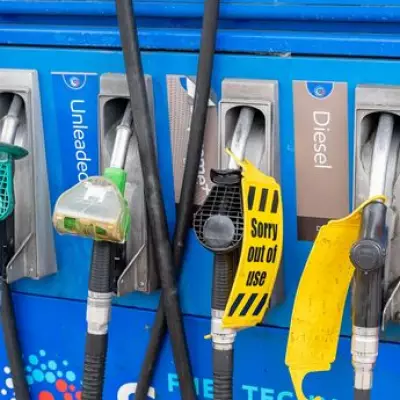
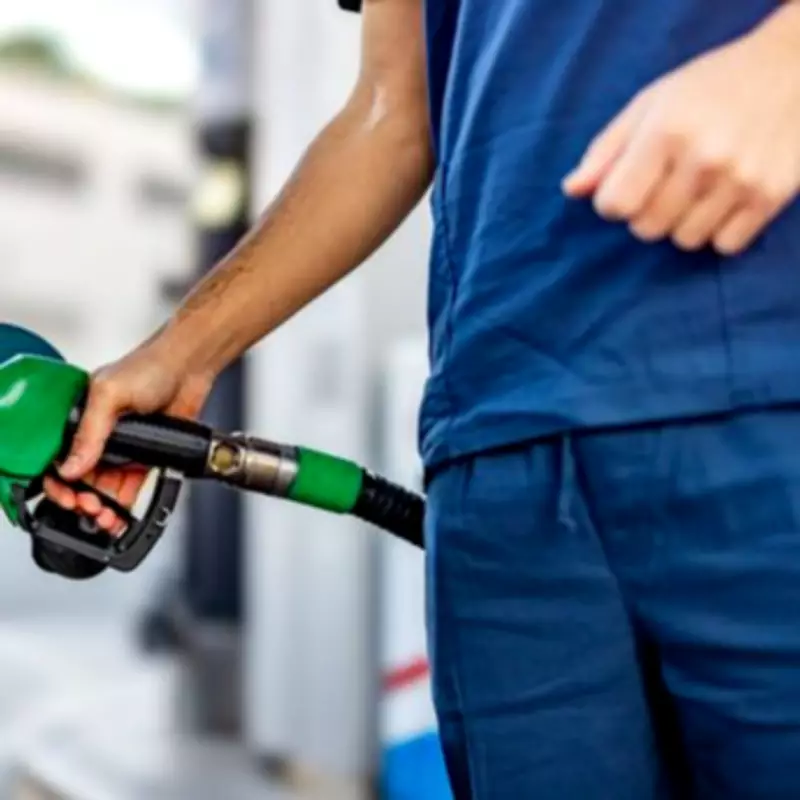
With fuel costs set to rise, there are practical steps to mitigate expenses. Following a campaign by consumer rights experts, the government introduced a 'Fuel Finder' service after evidence suggested supermarkets and brands were colluding on prices, applying rises quickly but delaying cuts. Now, petrol suppliers must provide real-time price updates. While the official website is geared towards apps and comparison sites, making it hard to read, free comparison apps can help you find the best local deals. Search terms like 'cheapest fuel near me' or 'average fuel price' will yield useful sites. Additionally, sign up for loyalty schemes from petrol providers and compare them online. When shopping at supermarkets, redeem discounts and offers at their pumps. Remember, motorway service stations are typically more expensive than local ones, as highlighted on comparison sites.

Making Your Fuel Use More Cost-Effective
If prices remain high, strategic driving can lead to significant savings. Consider carpooling or sharing school runs to reduce individual fuel use. Avoiding rush hour not only saves time but also fuel by preventing traffic jams with idling engines. Contrary to some beliefs, aggressive driving, rapid acceleration, and frequent braking reduce fuel efficiency. Turn off the engine when safe, and drive in the highest gear possible to ease off the accelerator. Lightening your car's load by clearing out unnecessary items from the boot and removing roof racks can improve efficiency. Ensure tyres are fully inflated to reduce drag. For air conditioning versus open windows, at slow speeds, open windows are cheaper, but at higher speeds, closed windows with air conditioning may be more efficient due to reduced drag.
Is Now the Time to Go Electric?
During previous fuel price spikes, there was a surge in demand for electric or hybrid vehicles. Although demand has waned recently, prolonged petrol price rises might make electric options more appealing. The good news is that prices for electric vehicles have dropped dramatically, with hybrids down 10% and fully electric vehicles down 7.4% in the last year alone. Compared to five years ago, EV prices have halved. However, practical considerations such as charging infrastructure and long-distance travel needs are crucial, as the EV charging network, while improving, still has gaps. Grants are available but are now applied at the point of sale.
Martyn James is a leading consumer rights campaigner, TV and radio broadcaster, and journalist.