Experts Warn Food, Flight, and Fuel Prices May Remain High for Months
Sky-high prices for essential goods like food, flights, and fuel are continuing to burden the public with significant hikes. Although a recent ceasefire in Iran has led to a drop in oil prices, industry experts caution that consumers may not see relief for several months due to ongoing supply chain issues and production challenges.
Fuel Prices Face Slow Decline
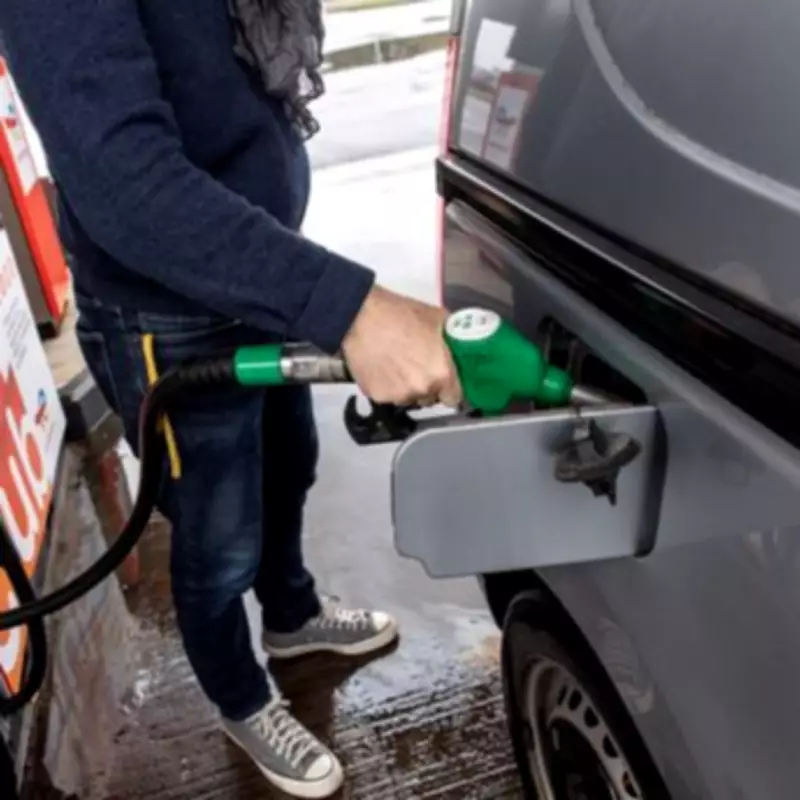
Petrol and diesel costs are expected to take months to fall, despite a pause in Operation Epic Fury announced by President Trump. This ceasefire has prompted crude oil prices to plummet, but analysts highlight that restarting production and normalising supplies will be a lengthy process.
Simon Williams, head of policy at the RAC, emphasised the uncertainty for drivers, noting that while prices might stop rising soon, a sustained lower price over weeks is necessary to meaningfully reduce wholesale fuel costs. He added, "Much will depend on the stability of the ceasefire, whether oil shipments can move freely through the Strait of Hormuz, and the longer-term impact on oil production across the Gulf."

Currently, the nationwide average stands at 157.71p per litre for unleaded and 190.62p for diesel, marking the highest levels since late 2022. Before the conflict, these figures were 132.83p and 142.38p, respectively.
Flight Costs and Jet Fuel Surges
Jet fuel prices have roughly doubled since pre-war levels, leading to flight cancellations and higher ticket prices. Willie Walsh, head of the International Air Transport Association, warned that even if traffic resumes through the Strait of Hormuz, it could take months for supplies to reach adequate levels.
Rachel Winter from Killik & Co noted the unpredictability, stating, "I would expect it to take at least a few weeks, if not a few months," for pump prices to fall. Antonia Medlicott of Investing Insiders advised drivers not to expect immediate relief, highlighting the cumulative impact of repeated price shocks on household budgets.
Food Inflation and Supply Chain Strains
The Food and Drink Federation reports that the ceasefire has not alleviated long-term uncertainty for UK manufacturers. Chief economist Dr Liliana Danila projected that recovery in supply chains and energy infrastructure in the Gulf could take between six months and a year.
This delay means manufacturers will continue to face disruptions in oil, gas, fertiliser, packaging materials, and cleaning chemicals, keeping costs elevated. Even if the conflict ends soon, UK food inflation is expected to reach at least 9% by year-end.
Energy Price Cap and Household Impact
Households under Ofgem's energy price cap have been protected from wholesale spikes so far, but the cap resets in July, potentially leading to significant increases. The government has pledged support for low-income households, though this may not materialise until autumn.
In summary, while stock markets have reacted positively to the ceasefire, experts stress that consumers should brace for prolonged high prices across key sectors, with no quick fixes in sight.