

Experts Warn Food, Flight and Fuel Prices Could Remain High for Months
Sky-high prices for food, flights, and fuel are continuing to burden the public with significant hikes, and experts caution that relief may be delayed for months despite recent geopolitical developments. Although oil prices have dropped following a pause in Operation Epic Fury, the full impact on consumer costs is expected to be slow to materialise.
Fuel Prices Face Prolonged Uncertainty
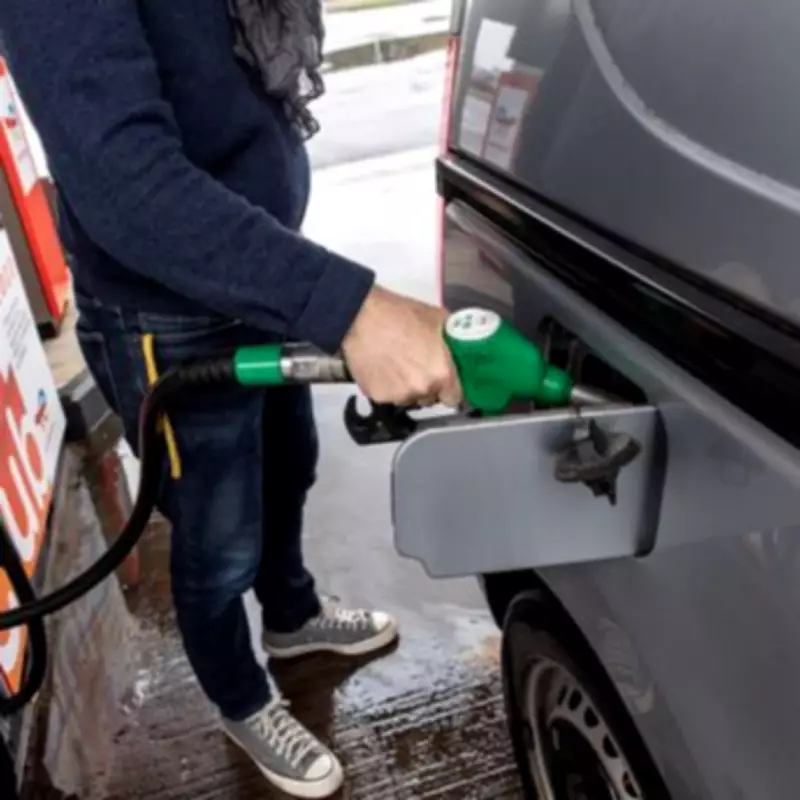
Petrol and diesel prices are unlikely to fall quickly, even with the announcement of a two-week ceasefire in Iran by President Trump. This pause has led to a decline in crude oil prices, but analysts highlight that restarting production and normalising supplies could take months. Simon Williams, head of policy at the RAC, notes that while there is hope for prices to stabilise soon, a sustained lower price over several weeks is necessary to meaningfully reduce wholesale fuel costs.
Currently, the nationwide average for unleaded petrol stands at 157.71p per litre, with diesel at 190.62p per litre. These figures represent a sharp increase from pre-war levels of 132.83p for unleaded and 142.38p for diesel, marking the most expensive prices since late 2022. Williams explains that smaller independent forecourts might pass on reductions faster, but overall stability depends on the ceasefire holding and free movement of oil shipments through the Strait of Hormuz.

Flight Costs and Jet Fuel Challenges
Jet fuel prices have roughly doubled compared to pre-war levels, leading to flight cancellations and higher ticket prices for passengers. Willie Walsh, head of the International Air Transport Association (IATA), warns that even if traffic through the Strait of Hormuz resumes immediately, it will take months for supplies to reach adequate levels. Additionally, refining facilities have sustained damage, further delaying recovery. Passengers should anticipate elevated fares in the interim, with some airlines already increasing prices or cutting routes.
Food Inflation and Supply Chain Strains
The Food and Drink Federation reports that the ceasefire has not alleviated long-term uncertainty for UK manufacturers. Chief economist Dr Liliana Danila predicts that recovery in supply chains and energy infrastructure in the Gulf could take between six months and a year. This prolonged disruption will continue to affect costs for oil, gas, fertiliser, packaging materials, and essential cleaning chemicals. Consequently, UK food inflation is projected to reach at least 9% by the end of the year, even if the conflict ends within the next two weeks.
Household Energy and Economic Impact
Households under Ofgem's energy price cap have been protected from recent wholesale energy spikes, but the cap is set to reset in July, potentially leading to significant increases. The government has pledged support for low-income households, though this assistance may not be available until autumn. Financial experts like Rachel Winter from Killik & Co and Antonia Medlicott from Investing Insiders emphasise that drivers and consumers should not expect immediate relief, as the cumulative effect of repeated price shocks can have a lasting impact on day-to-day expenses.
In summary, while stock markets have reacted positively to the ceasefire, the road to normalising prices for essential goods and services remains fraught with challenges, underscoring the need for cautious optimism among consumers and policymakers alike.






