Electric Vehicles Key to Reducing Australia's Foreign Fuel Dependence
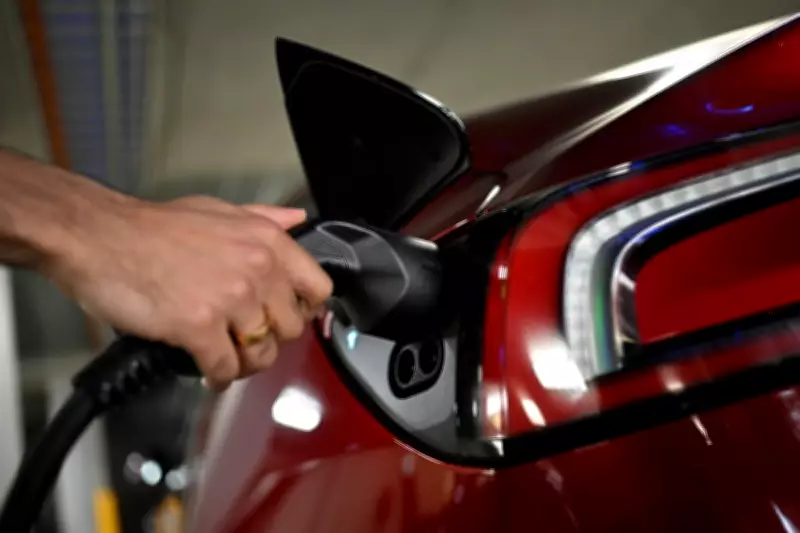
Adopting electric vehicles could significantly diminish Australia's reliance on imported fuel while advancing the nation's net zero emissions objectives. According to transport experts, replacing one million petrol-powered cars with EVs would cut foreign fuel consumption by more than one billion litres annually, bolstering long-term economic security.
Enhancing Energy Sovereignty Through EV Transition
Hussein Dia, a professor of transport technology and sustainability at Swinburne University of Technology, emphasised that electric vehicles play a crucial role in improving Australia's energy independence. "Each EV replacing a conventional vehicle effectively eliminates that fuel demand and shifts energy consumption to electricity, which is largely produced domestically," Dia explained. This transition reduces vulnerability to global oil price fluctuations and strengthens the resilience of the transport system.
A typical petrol car covering 15,000 kilometres per year consumes approximately 1,150 litres of fuel. "Even moderate EV penetration can make a noticeable difference," Dia noted, highlighting the potential impact of widespread adoption. Currently, Australia's national fleet includes around 20 million cars, with only about 420,000 being electric, representing roughly 2% of the total.

Current Fuel Consumption and Future Projections
Diesel and petrol vehicles in Australia burn through about 25 billion litres of fuel each year. Replacing half of all vehicles with electric versions would slash annual consumption by approximately 12 billion litres. While achieving such a shift is ambitious, Dia remains optimistic: "These are big asks, but I think if there is a will, then it is doable."
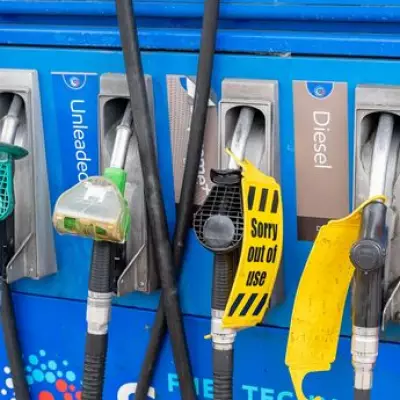
The recent global energy shock, triggered by geopolitical tensions, has pushed unleaded petrol prices in major east coast cities to $2.30 per litre, a sharp increase of 30-40 cents within two weeks. Diesel prices have soared towards $2.65 per litre, with even higher costs in regional areas. Alison Reeve, director of the Grattan Institute's energy and climate change program, suggested this crisis could catalyse a major shift in public and policy attitudes towards electric vehicles.
Market Trends and Price Sensitivity
New data from the Australian Automobile Association indicates that petrol and diesel cars accounted for a record low of two in three vehicle sales in the final quarter of last year, down from 70% in the previous quarter. Petrol prices in east coast cities have risen 15-20% since the beginning of the month.
A study focusing on Scandinavian countries found that a 1% increase in petrol prices correlates with an average 0.85% rise in EV sales, demonstrating that EV adoption is more sensitive to fuel costs than electricity expenses. Matt Kean, chair of the Climate Change Authority, stated that electrifying transport would reduce emissions and lessen Australians' exposure to volatile global oil prices. "Events are making that advice seem more prescient by the day," Kean remarked, predicting that March could set a record for EV sales, with momentum likely to continue as motorists recall the recent Middle East-induced price shocks.
Policy Implications and Future Resilience
In this context, discussions about the government potentially scaling back electric vehicle incentives in the upcoming budget are poorly timed, according to Reeve. "We want to respond to the problem in a way that we don't have the same problem in the future," she asserted. "You can be pretty sure there will be some geopolitical shock in the next few years, and they always affect oil and petrol prices."
Ultimately, accelerating EV adoption is not merely an environmental imperative but a strategic move to enhance Australia's energy sovereignty, reduce reliance on foreign fuel, and build a more resilient transport infrastructure against future global disruptions.