European Ministers Call for Profit Caps on Energy Companies as Iran War Drives Price Surge
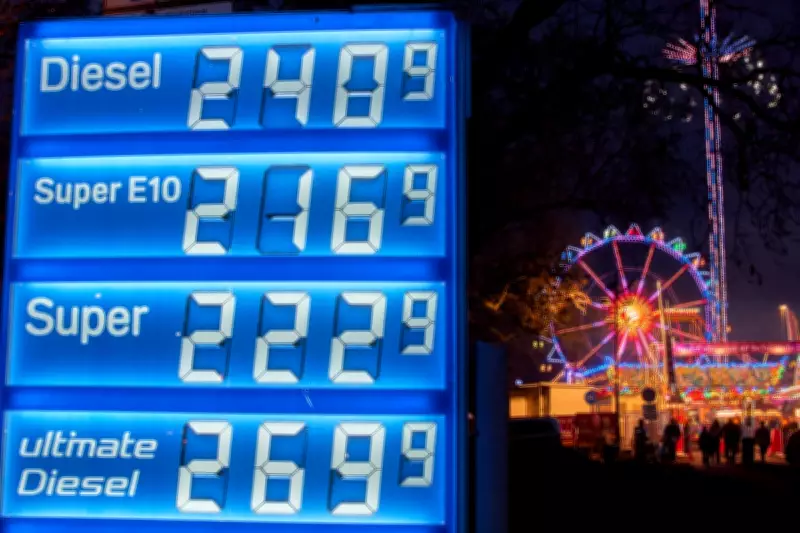
Finance ministers from five European Union member states are urgently calling for the bloc to implement a windfall tax on energy companies. This move comes as surging oil and gas prices, driven by the ongoing conflict in Iran, raise significant fears of inflation and economic strain across the continent.
Joint Appeal from Key EU Nations
Spanish Economy Minister Carlos Cuerpo announced on Saturday that his counterparts from Germany, Italy, Portugal, and Austria have jointly signed a formal letter to the European Commission. The document highlights "market distortions" caused by the recent price spike and advocates for immediate action.
"The conflict in the Middle East has caused oil prices to rise, placing a significant burden on the European economy and on European citizens," stated the letter, which was dated Friday and made public by Cuerpo in an online post. "It is important to ensure that this burden is distributed fairly."

Historical Context and Proposed Measures
Europe remains heavily reliant on imported oil and gas, making it particularly vulnerable to external geopolitical shocks. This situation echoes the 2022 energy market turmoil following Russia's full-scale invasion of Ukraine, which pushed inflation into double digits across many European nations.
At that time, the EU imposed a "solidarity contribution" that included caps on excess energy profits. The ministers' letter argues that a similar approach is now necessary: "Given the current market distortions and fiscal constraints, the European Commission should swiftly develop a similar EU-wide contribution instrument."
The letter further emphasizes that such a measure "would also send a clear message that those who profit from the consequences of the war must do their part to ease the burden on the general public."
Economic Impact and Market Disruption
Driven largely by higher oil prices, the annual inflation rate in the 21 countries using the euro rose to 2.5% in March, up from 1.9% in February. This increase underscores the growing economic pressure on households and businesses.
The crisis has been exacerbated by Iran's blockade of most tanker traffic through the Strait of Hormuz, a critical chokepoint for approximately 20% of global oil and gas supplies. This action threatens to stress fuel markets for months, if not longer.
European Union Energy Commissioner Dan Jorgensen warned this week that the disruption caused by the closure means fuel prices are unlikely to "go back to normal in a foreseeable future." His statement highlights the prolonged challenges facing European energy security and affordability.
The collective appeal from these five nations reflects a broader concern within the EU about balancing corporate profits with public welfare during times of crisis. As the situation evolves, the European Commission faces mounting pressure to address these market imbalances and protect consumers from escalating costs.