EU Considers Fuel Rationing Amid Prolonged Iran War Energy Crisis
EU Considers Fuel Rationing in Iran War Energy Crisis

EU Energy Official Warns of Fuel Rationing Possibility

The European Union's energy commissioner has issued a stark warning that fuel rationing could become a reality across Europe as the ongoing war with Iran continues to plunge global energy markets into deeper crisis. Dan Jorgensen revealed that the bloc is actively examining "all possibilities" to mitigate what he described as a "long-lasting" energy blow resulting from Iran's actions.

Prolonged Crisis Expected with Rising Fuel Costs

Jorgensen emphasized that this energy crisis will be prolonged, stating: "This will be a long crisis... energy prices will be higher for a very long time." He further cautioned that the situation is likely to deteriorate in the coming weeks, with all fuel types including petrol, diesel and jet fuel experiencing significant price increases since the conflict began.

Although the United Kingdom is no longer part of the European Union, potential measures implemented by EU nations could create substantial knock-on effects for British industries that rely heavily on fuel imports and international supply chains.

Wide Pickt banner — collaborative shopping lists app for Telegram, phone mockup with grocery list

Strategic Planning for Structural Impacts

In an interview with the Financial Times, Jorgensen detailed how the EU is preparing for potential "structural, long-lasting effects" from the Middle East conflict. While he noted that the bloc is not currently experiencing a fuel supply crisis, Brussels is developing contingency plans that include both fuel rationing scenarios and the potential release of additional oil from emergency reserves.

"Countries need to be sure that they... have what they need," Jorgensen stressed, adding the pragmatic advice: "Better to be prepared than to be sorry."

Strait of Hormuz Blockade Disrupts Global Supply

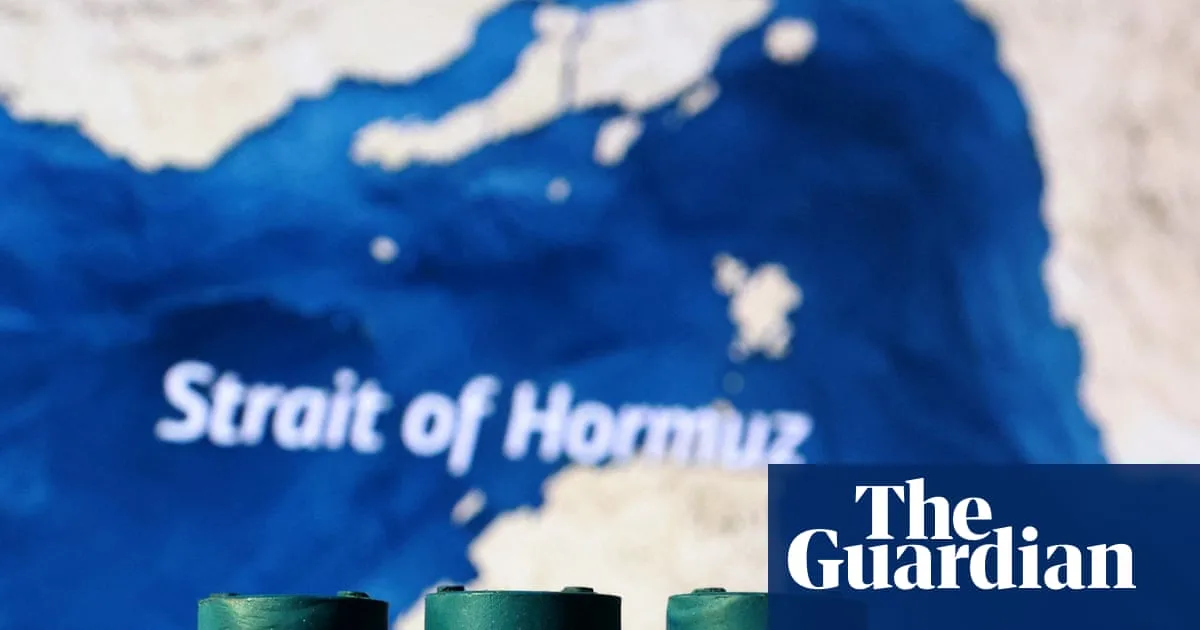
The current energy crisis stems directly from Iran's retaliatory actions against US and Israeli strikes, which have included drone attacks and the effective blockade of the strategically vital Strait of Hormuz. Approximately twenty percent of global oil and liquefied natural gas typically passes through this narrow waterway.

Iran's targeting of commercial tankers in the region has created sufficient fear among shipping companies, captains and insurers to keep crucial vessels away from the Strait of Hormuz. This disruption to one of the world's most important shipping lanes has caused supply shortages that have sent prices soaring.

Dramatic Price Increases at British Pumps

The impact on UK consumers has been immediate and severe. Since the conflict began, unleaded petrol prices have increased by approximately 22p per litre, reaching an average of 154.45p. Diesel prices have experienced an even more dramatic surge, rising by 43p per litre to an average of 185.23p.

Global oil prices have reflected this supply disruption, with barrel prices surging past $109 recently compared to approximately $70 per barrel before the conflict began.

UK Government Response and International Pressure

Prime Minister Keir Starmer confirmed that the government is monitoring the situation daily through COBRA meetings examining "the ongoing impact here in Britain." The UK has joined international efforts to pressure Iran to end the Strait of Hormuz blockade, with Home Secretary Yvette Cooper accusing Tehran of attempting to "hold the global economy hostage."

Discussions with international allies have included potential sanctions against Iran if the vital waterway does not reopen soon. Additionally, Lord Richard Walker, Starmer's cost-of-living advisor, has suggested the government should consider extending or enlarging the 5p fuel duty cut scheduled to expire in September, noting that Australia recently implemented a 14p per litre reduction in fuel tax.

International Energy Agency Recommends Conservation Measures

The International Energy Agency has urged immediate action to reduce fuel demand, releasing ten specific recommendations for governments, businesses and households. These include working from home where possible, prioritizing public transportation over private vehicles, avoiding non-essential air travel, increasing car occupancy rates, and practicing "eco-driving" at slower speeds to reduce fuel consumption quickly.

Pickt after-article banner — collaborative shopping lists app with family illustration

As the crisis continues to unfold, European nations are preparing for potentially difficult decisions regarding energy allocation, with fuel rationing remaining a distinct possibility if the conflict persists and supply disruptions worsen.