Energy Star Program Endures Trump's Attempted Cuts, Yet Broader Efficiency Efforts Face Uncertainty
The Energy Star initiative, a long-standing program that assists consumers in selecting energy-efficient appliances and electronics, has successfully weathered the Trump administration's plans to eliminate it. Despite targeted efforts to dismantle the scheme, it received robust congressional backing and was incorporated into budget legislation signed this week by President Donald Trump.
Environmental advocates and consumer groups have hailed this development as a positive step for both households and the planet. However, they express apprehension regarding how the program will be managed under a significantly reduced Environmental Protection Agency (EPA).
Trump's Opposition to Energy Efficiency Standards
President Trump has consistently argued that efficiency regulations for household items and appliances, many of which were reinforced under the previous Biden administration, limit consumer choice and impose unnecessary expenses. His inaugural executive order upon resuming office last year articulated a strategy to "unleash American energy," stressing the protection of "the American people’s freedom to choose" products ranging from light bulbs to gas stoves.

Concurrently, the administration has aimed to curtail renewable energy projects like wind and solar while promoting fossil fuels such as gas, oil, and coal, which contribute to global warming.
The Resilience of Energy Star
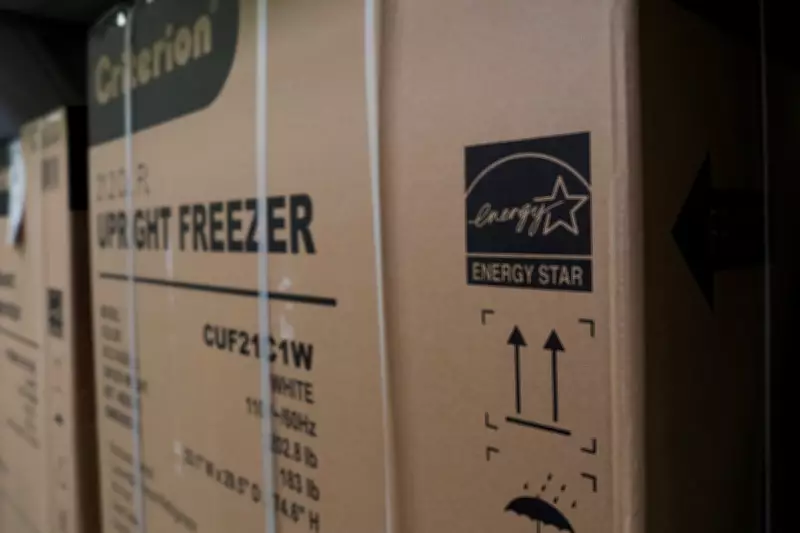
Energy Star is a voluntary, EPA-operated program that has been in existence for decades, providing consumers with information on the efficiency of home appliances and electronics, including dishwashers and washing machines. Its dual objectives are to lower emissions and reduce energy bills for households.
The Department of Energy devises product testing protocols for Energy Star, while the EPA establishes performance benchmarks and ensures the reliability of the certification label. The program also extends to new homes, commercial buildings, and industrial plants.
According to the EPA, Energy Star has prevented 4 billion metric tonnes of greenhouse gas emissions since its inception in 1992 and can save households an average of $450 each year.
In May of last year, the EPA drafted proposals to abolish Energy Star as part of a wider agency restructuring that also targeted air pollution regulations and other essential environmental functions. The agency contended that this reorganization would yield "organizational improvements to the personnel structure" for the benefit of the American public.
Numerous organizations campaigned against the potential closure, highlighting its advantages for consumers. The legislation enacted this week allocates $33 million to the program, a slight increase from the $32.1 million in 2024, as reported by the Congressional Research Service. Nonetheless, this continues a decade-long trend of diminishing funding.
The Association of Home Appliance Manufacturers, which was among many industry groups lobbying Congress to retain the program, expressed satisfaction with the continued funding.
Persisting Apprehensions
Experts suggest that the uncertainty surrounding Energy Star over the past year likely had minimal direct impact on consumers, as manufacturers cannot swiftly alter their product lines. Amanda Smith, a senior scientist at the climate research organization Project Drawdown, noted that the ambiguity may have more significantly affected the EPA's capacity to administer the program, particularly given staffing reductions.
EPA spokesperson Brigit Hirsch did not directly address queries about these concerns, stating only that EPA Administrator Lee Zeldin "will follow the law as enacted by Congress."
Other Efficiency Regulations in Jeopardy
The Department of Energy has proposed rescinding, weakening, or revoking 17 additional minimum efficiency standards for energy and water conservation as part of 47 broader deregulatory actions. These standards are mandatory for products to be legally sold and encompass items such as air cleaners, ovens, dehumidifiers, portable air conditioners, washers, dishwashers, and faucets.

Andrew deLaski, executive director of the Appliance Standards Awareness Project, emphasized that these standards "are quietly saving people money on their utility bills year after year in a way that most consumers never notice." He added, "The striking thing is that consumers have a huge array of choices in appliances in the market today. Repealing these standards would simply increase cost. It just doesn’t make sense."
Weakening efficiency measures could also escalate energy demand at a time when utilities are already grappling with the growing needs of data centers and electrification.
While Congress has supported Energy Star and these separate appliance standards, it has also progressed legislation that would grant the president enhanced authority to roll back regulations.
Manufacturers are expected to continue producing efficient appliances, but diluted rules might adversely affect the U.S. market. DeLaski warned, "The problem for U.S. manufacturers is that overseas competitors making inefficient products elsewhere could now flood the U.S. market," potentially undermining American producers.